
Want to help garden birds? Don’t feed them in warmer months, says RSPB
RSPB Advises Against Year-Round Bird Feeding to Combat Disease Spread
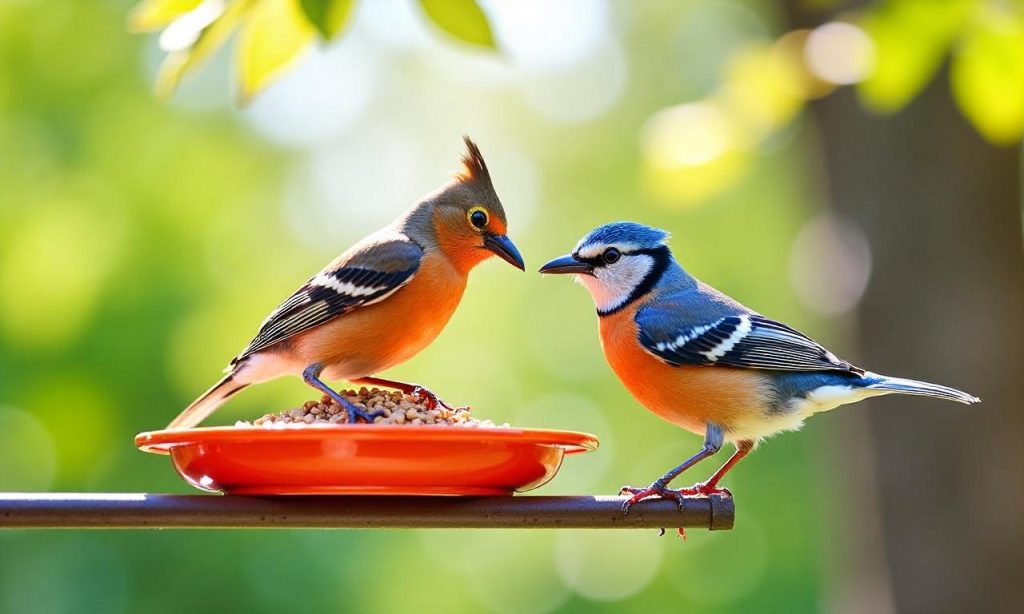
The UK’s leading bird conservation charity, the Royal Society for the Protection of Birds (RSPB), is urging gardeners to pause feeding birds during warmer months. While placing bird feeders in your garden is often seen as a kind gesture, it might inadvertently harm certain species. The charity highlights that the period from 1 May to 31 October can transform these feeders into hotspots for disease transmission.
Trichomonosis Threats to Bird Populations
Trichomonosis, a parasitic infection affecting the mouth, throat, and upper digestive tracts of birds, has led to sharp declines in populations of greenfinches and chaffinches. Once common in UK gardens, greenfinches have seen a drop of two million in numbers, now listed as endangered. Infected birds spread the parasite through saliva and droppings, tainting food sources. This contamination can directly affect chicks when adults regurgitate meals.
Feeding Practices and Industry Response
Recent RSPB data shows greenfinches fell from a 1979 ranking of seven to 18 in 2025. Over 16 million households routinely provide food, with one feeder for every nine birds in use. The charity advocates “feed seasonally, feed safely” to mitigate risks, emphasizing hygiene. However, the pet food industry has contested this shift, calling it a major change to established practices and warning it could confuse millions.
“It’s really nice to see them from the window – they look very chipper out there,” says Helen Rowe, a London resident who feeds sparrows regularly. She plans to stop offering food during warmer months to support birds. “I want to support the birds – I don’t want to do anything that’s going to spread disease.”
Dick Woods, a manufacturer of easy-to-clean feeders, raises concerns about uniformity. “Every garden is different. In some places, food is so abundant that birds don’t use feeders very much; in other areas there is little alternative,” he notes. The RSPB acknowledges regional differences but argues simplicity in messaging is key to encouraging behavior change.
Martin Fowlie of the RSPB explains, “We are well aware that things won’t change overnight and that behaviour change will take years, if not decades. We have therefore sought to keep our advice as simple as possible to make it easier for people to follow.” The charity has also phased out flat feeders, citing their role in disease spread and signaling a shift away from traditional bird tables.
With annual bird food spending reaching £380 million—equivalent to 150,000 tonnes—the RSPB stresses that maintaining cleanliness and seasonal feeding habits is critical. It recommends daily water changes, weekly feeder and bath cleanings, and limiting mealworms, fat balls, and suet to short-term use. This approach aims to balance support for birds with reducing health risks.
