
The ‘back door’ migrant route into Britain: Immigration crackdown as people smuggling gangs exploit soft border between UK and Ireland
The ‘back door’ migrant route into Britain: Immigration crackdown as people smuggling gangs exploit soft border between UK and Ireland
Traditionally, illegal immigration discussions center on the challenges posed by small boat arrivals from France. Yet, a growing concern is emerging through a different channel: the Common Travel Area (CTA) shared between the UK and Ireland. Law enforcement agencies have reported that criminal networks are leveraging this borderless zone to funnel migrants into Britain, bypassing stricter scrutiny.
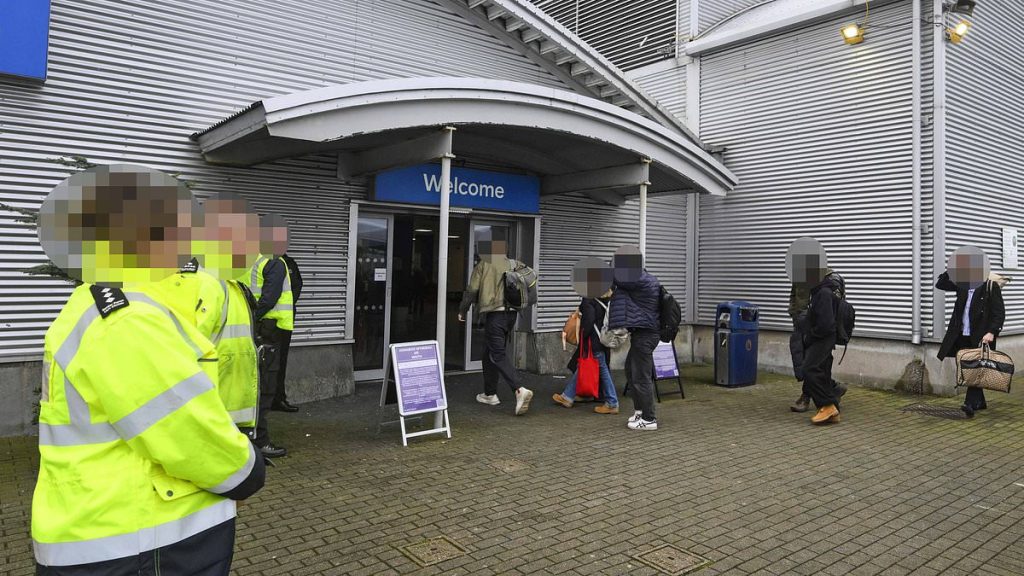
Officials have intensified efforts to counter this strategy, resulting in a coordinated operation that targeted UK-Ireland ports and airports. Over three days, 32 individuals linked to immigration violations were apprehended, highlighting the scale of the issue. The focus was on Holyhead, where ferry passengers underwent live facial recognition scans as they passed through the terminal.
“The Common Travel Area is exploited by criminal gangs as a back-entry route into the UK, so our operation is about making our borders as robust as they can be,” said DCC Wendy Gunney, who leads the Domestic Organised Immigration Crime taskforce.
Gunney emphasized the importance of maintaining visibility at the border, stating that the use of live facial recognition technology serves as both a tool and a deterrent. This method involves cameras capturing facial features and comparing them against a database of known offenders. While some critics argue it expands the surveillance state, Gunney defended the technology as “tried-and-tested” and harmless to law-abiding citizens.
Alongside the CTA, these gangs also transport drugs and illicit goods, according to Gunney. The lack of passport checks between Britain and Ireland means travelers must present photo ID, but regular spot checks are conducted to monitor compliance. “The threat from the Common Travel Area is going up in relation to organised crime elements,” she added.
During the operation, officers conducted searches of lorries entering Holyhead port, checking for hidden migrants and contraband. Similar actions were carried out near a motorway outside the town, ensuring all entry points were under scrutiny. The crackdown also extended to other key ports, including Loch Ryan in Scotland, Heysham in Lancashire, and Birkenhead on Merseyside.
Among those arrested was a Lesotho national with no valid UK entry documents, wanted by Irish authorities for a domestic violence offense. He was swiftly repatriated. Four Pakistani men arriving at Birmingham airport from Belfast were found to have invalid visas and unresolved asylum claims, leading to the withdrawal of their applications after violating reporting conditions.
In one case, an Indian man intercepted on the A55 in North Wales was identified as a visa overstayer with a failed asylum application. He was also suspected of working illegally for a delivery company. The Home Office stated that deportation proceedings were in motion and the business might face fines.
Earlier in 2024, 14 Albanians were discovered concealed inside a livestock wagon that had entered the British mainland from Northern Ireland. This underscores the increasing use of the CTA as a critical smuggling pathway. As the taskforce continues to strengthen intelligence networks, authorities aim to close gaps in border security while addressing the rising role of organised crime in migrant trafficking.
