
Slow genocide: Death and displacement continue in Gaza months into ceasefire
Slow genocide: Death and displacement continue in Gaza months into ceasefire
Though the conflict has paused, the relentless toll on Gaza’s people remains evident. Najat Sayed al-Hessi, a 61-year-old resident, has endured two years without access to her life-saving cancer treatments, despite the ceasefire.
Al-Hessi’s struggle highlights a persistent crisis. She was scheduled to receive care in Ramallah on 7 October 2023, the day hostilities began, but was unable to travel. Since then, she has waited 27 months for a single dose of medication.
“Nothing has changed for cancer patients in Gaza since the ceasefire,” al-Hessi said, describing her worsening condition as a slow, unseen affliction.
The war has severed medical access beyond Gaza’s borders, leaving its hospitals to manage with limited resources. Al-Hessi’s referral for treatment outside the territory, issued six months ago, has been futile due to closed crossings.
During a recent visit to her local clinic for back pain, she found no medications available, despite her need for pain relief and treatment for osteoporosis. “I asked them to give me anything, at least some vitamins, but they said they had nothing for my case,” she recounted.
The Palestinian Ministry of Health reported that 56% of essential drugs, 68% of medical supplies, and 67% of lab materials are in short supply. Without proper screenings, patients are left in the dark about their disease’s progression.
“The last time I saw a doctor, he told me the cancer may have reached my lungs. I am dying slowly,” al-Hessi said.
Dr Muhammad Abunada, head of Gaza’s Cancer Centre, noted a 70% shortage in critical treatments. “The remaining 30% are largely ineffective, as patients often require multiple drugs to manage their illness,” he explained.
With only one or two medications available at a time, the remaining supplies offer little relief. This scarcity has pushed death rates among cancer patients to double or triple since the war began. Before the conflict, one patient died daily; now, two or three perish each day.
Research indicates the mortality crisis extends beyond cancer. Newborn deaths rose by 75% in the final three months of the war, according to Unicef. Between July and September, 47 infants died monthly—nearly double the 2022 average of 27.
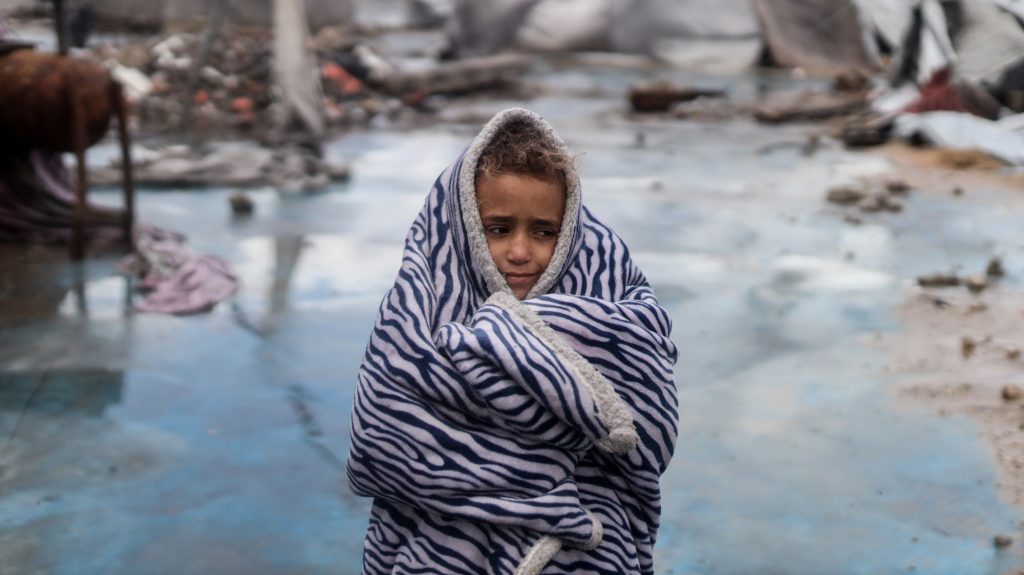
Despite the ceasefire, threats persist. Israeli bombardments and gunfire continue to claim lives, while forced displacement looms over families losing homes to military incursions and land annexations.
“We are still living under the same threats and circumstances, only with less noise,” al-Hessi remarked, underscoring that the pause in fighting has not paused the suffering of Gaza’s two million residents.
