
How Epstein lured girls to his Zorro Ranch and kept authorities away
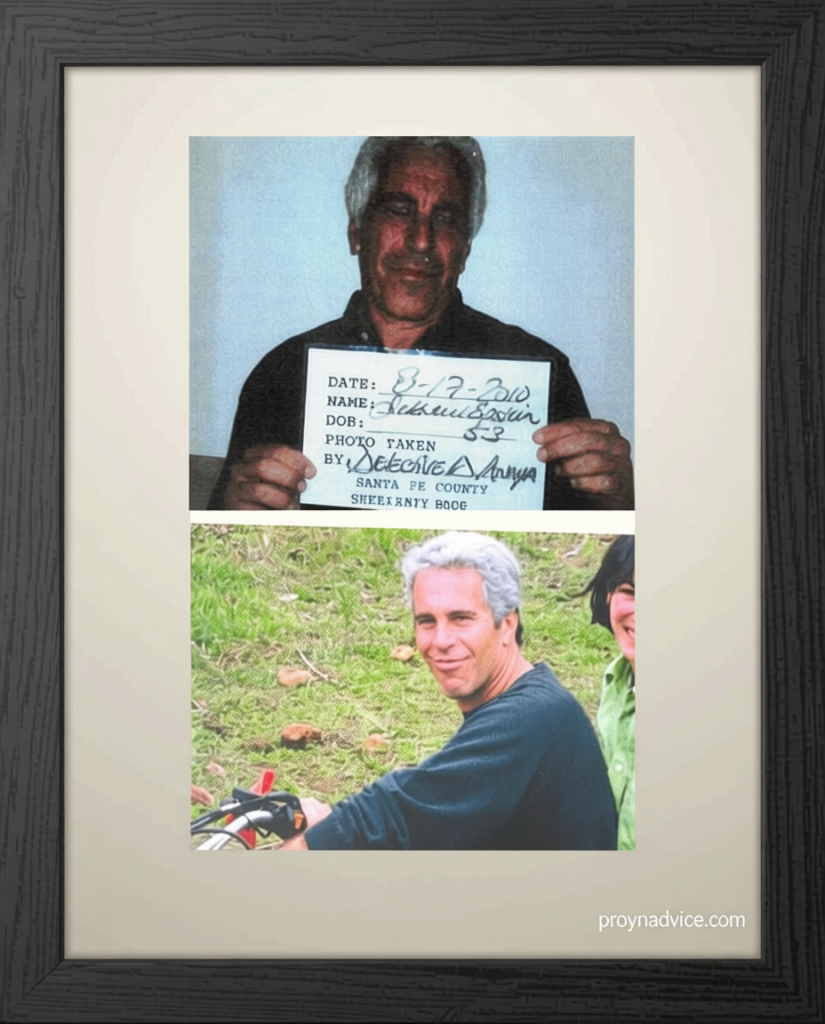
How Epstein Lured Girls to His Zorro Ranch and Kept Authorities Away
Jeffrey Epstein’s sprawling 10,000-acre ranch in New Mexico initially appeared as a luxurious escape for young women in need. Drawn by promises of financial assistance and opportunities, these girls were flown in from across the country to a secluded compound surrounded by rugged terrain. There, they explored the desert, rode horses over ancient rock formations, and enjoyed the amenities of Epstein’s 26,700-square-foot estate. The experience was framed as a chance to build futures, with Epstein engaging them in conversations about their ambitions and offering generous gifts. Yet, beneath the surface of this idyllic setting, a pattern of exploitation began to unfold.
As the visits progressed, the atmosphere shifted. Epstein’s interactions grew more intimate, with accusations of physical contact, forced nudity, and the use of sex toys. Victims described feelings of confusion and fear, trapped by the isolation of the ranch and the presence of Epstein’s celebrity connections. One teenager, who had been assaulted just days prior, rode an all-terrain vehicle recklessly after the incident, crashing into a tree. “No one gets in trouble here,” another girl reportedly said, echoing the sense of complicity that permeated the environment.
“I ask the FBI and local law enforcement to continue uncovering the evil abuse and trafficking that took place on Zorro Ranch, and hold all those involved, who turned a blind eye, fully accountable,” Rachel Benavidez, a massage therapist abused at the ranch during visits starting in 2000, told NBC News in a statement.
Epstein’s exploitation of young women dates back to at least 2006, when he was first linked to paying underage girls for sexual acts in Florida. A lenient plea deal allowed him to avoid significant prison time, setting the stage for years of unexamined behavior. In New Mexico, weak sex offender laws and a lack of human trafficking statutes in 2008 enabled Epstein to operate with relative impunity. The state’s first investigation into his activities began only in 2019, by which time some crimes had expired under the statute of limitations.
Despite the 2008 federal agreement that ended a probe into Epstein’s alleged misconduct, the ranch remained largely untouched by scrutiny. Federal authorities in New York prioritized their own multistate case, leaving local officials to grapple with unanswered questions. Now, with recent leaks from the Department of Justice revealing potential atrocities—such as unverified claims of two “foreign girls” dying during sex and being buried on-site—the state is vowing to confront the past. Two new probes have been launched: one by the New Mexico Department of Justice, and another by a truth commission led by four lawmakers.
On Monday, state officials conducted the first-ever search of the ranch, six years after Epstein’s death. His victims and their families have called this long-awaited attention overdue. Yet, with a new owner transforming the property into a Christian retreat, doubts linger about whether the state can fully address the decades of missed opportunities. For locals passing by on Highway 41, the ranch remains a symbol of shame, its legacy marked by a memorial adorned with flowers, crosses, and protest signs demanding justice.
“We need to find out what happened,” said Lou Gibney, a 65-year-old construction worker living near Albuquerque. “It’s incumbent upon our nation to get to the bottom of all this stuff one way or another and find out what the truth is—regardless of where the chips fall.”
