
Digital forensics could be the tool that helps ‘paint a picture of truth’ in the Guthrie case
Digital forensics could be the tool that helps ‘paint a picture of truth’ in the Guthrie case
The Search for Nancy Guthrie
The search for Nancy Guthrie’s whereabouts has reached a critical stage, with no public suspect identified and DNA analysis facing hurdles. Experts suggest that digital forensics might offer crucial insights, as individuals often leave behind digital traces that can reveal hidden patterns. Heather Barnhart, a digital forensics specialist at the SANS Institute and Cellebrite, emphasized that data spreads across devices, making it difficult for criminals to erase all evidence. “The same thing that complicates investigations can also hinder a perpetrator’s ability to clean up,” she noted.
Expert Perspective on Digital Clues
“Your phone is the silent witness to your life. It knows everything you do,” said Barnhart. “Forming those patterns and then looking for any anomaly in someone’s digital footprint is key here.”
Barnhart, who worked on the University of Idaho murders, highlighted the importance of digital footprints in solving cases. She described how analyzing phone logs and other data helped establish Bryan Kohberger’s timeline, linking his actions to the crime. “Initially, the lack of evidence freaked everyone out,” she recalled. “But focusing on the [laptop and phone] logs that tell the truth about why there wasn’t evidence became the cornerstone of the investigation.”
Obstacles and Hope in the Case
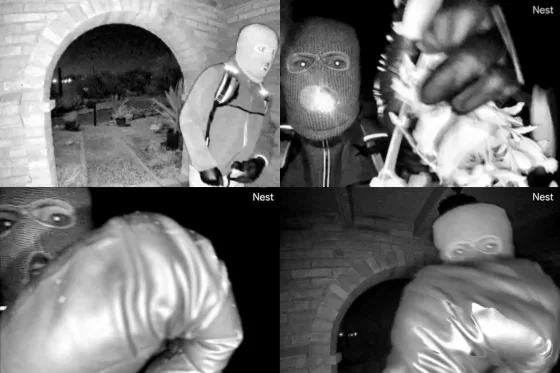
Five weeks after Guthrie was reported missing on February 1, investigators have yet to name a suspect. However, digital forensics has uncovered images from her doorbell camera, capturing a masked figure in the hours before her disappearance. Pima County Sheriff Chris Nanos expressed confidence in investigative genetic genealogy, a method combining DNA analysis with genealogical research. Despite challenges with the DNA sample, he reiterated the team’s determination. “We’re not going to give up. We’re going to find Nancy, and we’re going to find out who did this,” he stated.
Technology Beyond Physical Evidence
Chris Burbank, a former Salt Lake City police chief, stressed that digital tools could be vital. “People involved in such cases often leave social media trails,” he said. “Artificial intelligence can help track these leads, offering new angles to the investigation.” Barnhart added that digital evidence, once available, would “paint a picture of truth,” whether through a named suspect, a license plate capture, or other technological findings.
