
Children trapped in Texas immigration facility recount nightmares, inedible food, no school
Detention’s Impact on Young Children: A Family’s Story
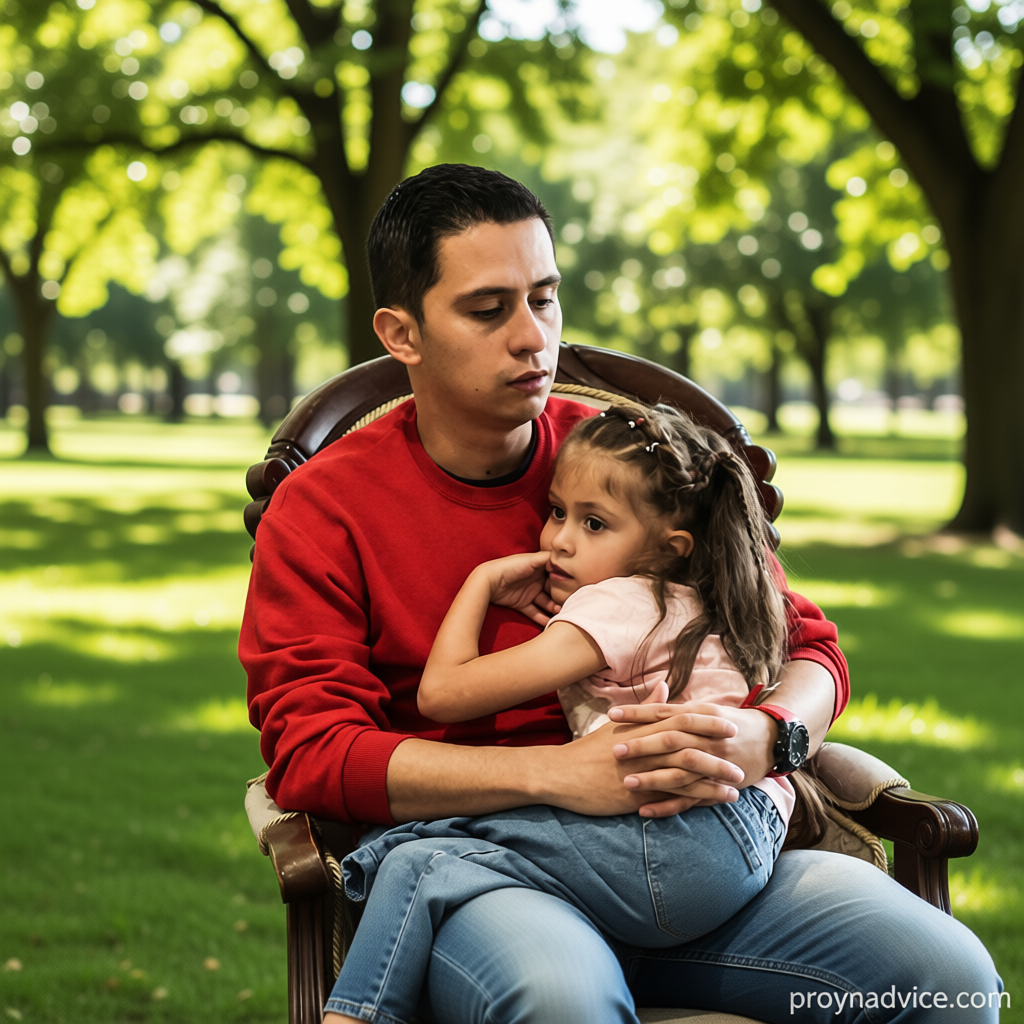
Before arriving at the Dilley Immigration Processing Center last fall, Kelly Vargas described her 6-year-old daughter, Maria, as thriving. Maria enjoyed school and spent her afternoons drawing and playing with her cat. However, Vargas recounted that within days of her family’s detention and placement in the South Texas facility—reminiscent of a prison—Maria began to show signs of distress. After years without accidents, the child started wetting her pants and bed. She cried through the night, pleading with her parents about returning to their New York apartment. Maria also begged to resume breastfeeding, a practice she had stopped for months.
“How are they going to do this to a child?” Vargas told NBC News, speaking in Spanish. “How could this happen here?”
Detained Families Share Harrowing Experiences
Accounts from detained families, their legal representatives, and court documents reveal that the federal detention center in Dilley is a place where hundreds of children endure harsh conditions. They are served contaminated food, receive limited education, and face significant challenges in accessing basic medical care. These experiences have painted a grim picture of life within the facility.
The Viral Photo and Rising Outrage
The center gained national attention last month after Immigration and Customs Enforcement (ICE) took Liam Conejo Ramos, a 5-year-old boy, to Dilley following his father’s arrest in Minneapolis. A photograph capturing the boy in a blue bunny hat as he was led into federal custody spread rapidly across the country, sparking outrage from lawmakers and the public. For many Americans, the image served as a stark introduction to the harsh realities of ICE’s growing use of family detention.
Measles Outbreak Heightens Concerns
Recent developments have intensified fears. Health officials confirmed two measles cases among individuals detained at Dilley, prompting advocates and medical experts to warn of a serious public health risk. The spread of a highly contagious disease in a crowded facility housing young children—some already medically vulnerable—has raised alarms. Families’ lawyers, who have been monitoring conditions at Dilley for months, say they have struggled to obtain clear answers from the Department of Homeland Security about the outbreak. They seek information on measures to curb its spread and confirm whether children are vaccinated.
DHS Remains Unresponsive
The Department of Homeland Security has yet to address NBC News’ questions about conditions at Dilley. It has defended its use of family detention, but the recent measles cases have cast doubt on the effectiveness of its current protocols.
