
Border Patrol’s Gregory Bovino to retire, sources say
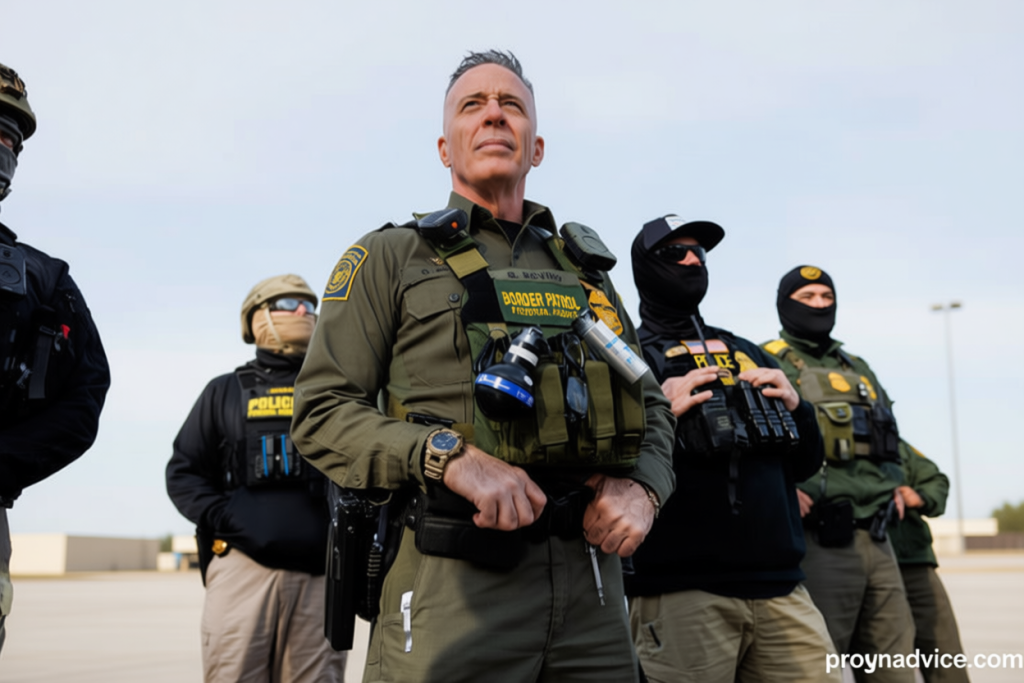
Border Patrol’s Gregory Bovino to retire, sources say
According to two Customs and Border Protection officials, Gregory Bovino, who served as head of the U.S. Border Patrol and became a symbol of President Donald Trump’s immigration enforcement agenda, is set to retire at the end of the month. Bovino was stripped of his national command role in January and reverted to his position as sector chief in El Centro, California. This shift occurred amid the deaths of two U.S. citizens, Renee Good and Alex Pretti, and high-profile operations in Minneapolis, Chicago, and Los Angeles.
Role Changes and Context
Bovino’s departure aligns with the timeline of Trump’s announcement about the final day of Homeland Security Secretary Kristi Noem’s tenure. In his national leadership role, he reported directly to Noem and her chief advisor, Corey Lewandowski. The move also comes as Bovino approaches the mandatory retirement age of 57, having already reached eligibility for retirement.
Tactics and Legal Challenges
Documents obtained by NBC News highlight Bovino’s frustration in Chicago during the fall, when he was directed to focus on targeted arrests rather than broader immigration enforcement. His strategies, such as deploying gas canisters into protest crowds, sparked legal disputes in Chicago. A federal judge later criticized him for disregarding orders to limit the use of chemical agents in residential areas and for fabricating claims about immigrant threats.
“When we discover any alleged or potential misconduct, we immediately refer it for investigation and cooperate fully with any criminal or administrative investigations,” said a Department of Homeland Security spokesperson in response to previous inquiries.
Bovino’s aggressive tactics in Minneapolis resulted in the deaths of Good and Pretti, both 37, during immigration crackdowns. Good was shot three times, including in the head, on January 7 during an encounter with ICE officer Jonathan Ross. Pretti’s death occurred on January 24, with two CBP officers firing multiple rounds at him, though it remains unclear if both shots struck him. These incidents followed his involvement in Operation Metro Surge, which led to significant controversy and protests.
Historical Enforcement and Protests
Before his national role, Bovino was implicated in a lawsuit in Kern County, California, where he employed similar tactics against agricultural workers. The case alleged that individuals were targeted based on their appearance and skin color, and that officials used deceptive methods to encourage voluntary departures. His enforcement in Los Angeles, which began in the Fashion District, ignited five days of demonstrations that prompted Trump to deploy the National Guard and Marines.
Bovino’s approach was also extended to New Orleans, Charlotte, and other regions in North Carolina. His actions, including agents suddenly exiting a rental truck to arrest day laborers in a Home Depot parking lot, underscored a style of enforcement that prioritized rapid, visible impact over measured approaches. The administration’s support for these methods continued even as legal and public scrutiny intensified.
As NBC News’ Senior Homeland Security Correspondent, Suzanne Gamboa has reported on these developments, providing critical insights into the shifting dynamics of immigration enforcement under Trump’s leadership.
