
Iran war: Why is the South Pars gas field so important?
Iran War: Why is the South Pars gas field so important?
Attack on South Pars and Regional Retaliation
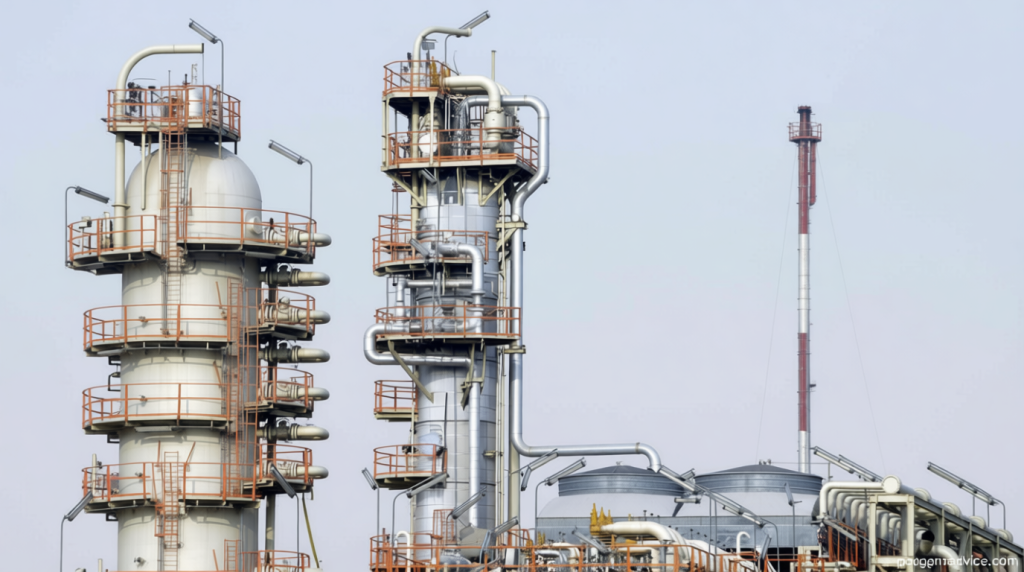
On March 18, Israel launched a strike against Iran’s South Pars gas field, hitting onshore refinery units and storage tanks in Asaluyeh, along with offshore infrastructure linked to the site. The assault triggered swift retaliation from Iran, which targeted Ras Laffan Industrial City—the main energy hub of Saudi Arabia, the United Arab Emirates, and Qatar—inflicting “extensive damage” on the world’s largest liquified natural gas (LNG) export complex. This marks the first direct hit on a fossil fuel production site since the conflict began on February 28.
Initially, the US and Israel had avoided attacking Iranian energy infrastructure to prevent immediate backlash. However, President Donald Trump noted on Truth Social that he was unaware of the South Pars strike, hinting at a shift in strategy. He also warned Iran that the US would “massively blow up the entirety of the South Pars Gas Field” with unprecedented force if it provoked further attacks.
Strategic Importance of the Gas Fields
The South Pars field, shared with Qatar across the Persian Gulf, is part of the world’s largest natural gas reservoir. Together with Qatar’s North Dome field, it holds nearly one-third of global reserves. For Iran, this site is crucial for domestic consumption, supplying about 70% of its gas output. Exports to Iraq and Turkey make up the remainder, yet domestic reliance remains dominant.
Qatar, by contrast, faces a global ripple effect from any disruption. The Ras Laffan facility, which handles 20% of the world’s LNG trade, is a linchpin for Asian energy markets. Damage to its operations could not only reduce supply but also impact helium production—a byproduct vital for semiconductor manufacturing and other industries.
Economic Impacts and Market Reactions
Energy prices spiked following the attacks, reflecting heightened uncertainty. The conflict’s escalation has already strained regional output, with the Strait of Hormuz blockade limiting exports. While closure allowed facilities to keep operating, direct strikes now threaten prolonged downtime due to repair costs and complexity.
“The attack was significant because it marked the first strike on their upstream facilities since the current war began,” remarked Deutsche Bank analyst Jim Reid in a client note.
Iran’s financial strain from years of Western sanctions may hinder its ability to recover quickly, whereas Qatar, despite facing some setbacks, is better positioned to manage repairs. The ongoing strikes signal a broader shift in the conflict’s dynamics, raising concerns that further escalation could destabilize global energy markets in the near future.
