
In Iran, hope gives way to fear as conflict rages on
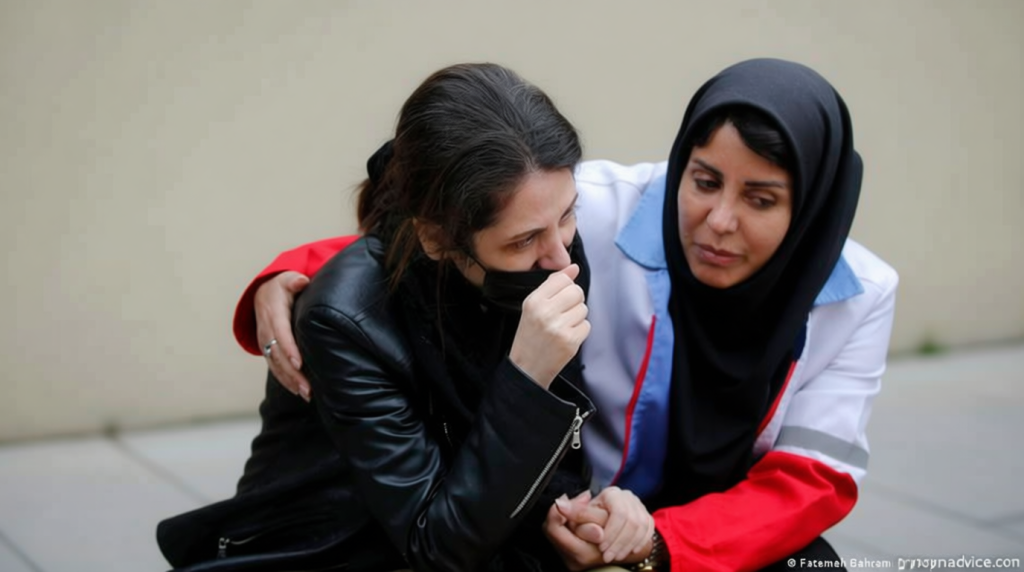
In Iran, hope gives way to fear as conflict rages on
A month into the US-Israeli bombardment of Iran, the initial optimism surrounding the potential collapse of the Islamic Republic has faded for many. DW interviewed Iranians about the erosion of early expectations as the regime endures. Initially, the attacks were viewed as a chance to challenge or topple the government, with some believing foreign military pressure might create an opening for public dissent. However, as the conflict stretches into its fourth week, the focus has shifted from regime change to concerns about prolonged suffering and civilian casualties.
From Optimism to Doubt
At the onset of the conflict, some Iranians anticipated that the US-Israeli strikes could destabilize the government, with the potential to ignite widespread unrest. US President Donald Trump had even encouraged the Iranian people to “take over your government,” suggesting that the current moment might be their only opportunity to end the regime’s rule for generations. Yet, as bombings and missile attacks target civilian infrastructure, daily life has become increasingly perilous, and the clerical leadership remains firmly in power. This has led to a transformation in public sentiment, replacing hope with apprehension.
“Despite the destruction, the government is still standing. This has caused the initial assumptions about the war’s outcome to give way to disappointment and concern,” said a Tehran resident, who requested anonymity due to security fears.
The strikes have also highlighted the regime’s resilience. While some had hoped the attacks would spark lasting change, the continued violence has made it clear that the Islamic Republic’s grip on society persists. The attack on a girls’ school in Minab, a southern city, became a powerful symbol of this shift, as civilian losses and growing insecurity have become part of everyday life.
“The government is still insisting that employees be physically present at work, even though, in the eyes of many people, nowhere feels safe and no one wants to go to the workplace,” another anonymous Tehran resident noted. “Failing to show up could be interpreted as a strike or protest, adding more pressure on individuals.”
Under Iran’s strict regime, even absence from public life carries political risks. Many who once believed the war would dismantle the system now recognize that destruction spreads faster than political transformation. The psychological strain of uncertainty is also growing, as Iranians grapple with the possibility of enduring new challenges: damaged infrastructure, worsening economic conditions, and an even more oppressive state.
Diverging Objectives
Experts suggest the US and Israel may have different aims. Babak Dorbeiki, a former deputy at Iran’s Strategic Research Center, noted that Israel seeks regime collapse, while the United States appears focused on other goals. “Trump’s and Netanyahu’s objectives are different, leaving the war’s outcome unclear,” Dorbeiki explained. The lack of clarity about the strike campaign’s ultimate aim has deepened public anxiety, as the future of Iran remains uncertain.
The war and its unresolved trajectory are beginning to affect Iranians psychologically. For many, the fear is no longer just of the regime’s survival but of the toll it will take on their lives, both in the present and the years ahead.
