
EU weighs options as Israel threatens Lebanon offensive
EU weighs options as Israel threatens Lebanon offensive
European Union officials are urging Israel to reconsider its potential ground operations in Lebanon. However, the question remains whether they can convince Hezbollah to disarm or halt Israeli military actions. A recent statement from leaders of France, Germany, Italy, the UK, and Canada emphasized the dangers of a large-scale Israeli ground assault, warning of dire humanitarian outcomes and the risk of prolonged conflict.
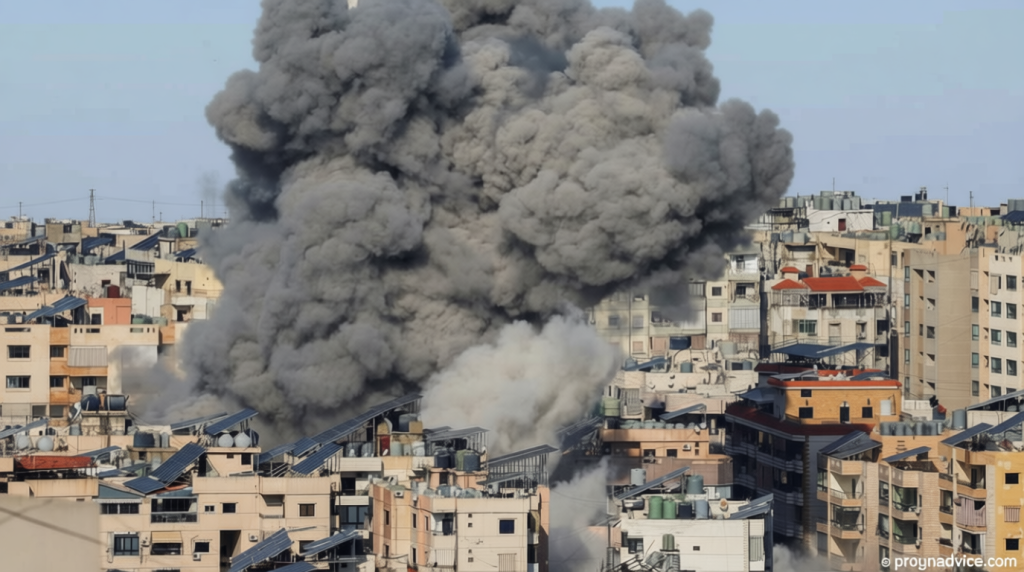
Israel’s military acknowledged conducting “limited and targeted ground operations” in southern Lebanon, focusing on Hezbollah’s key strongholds. This has sparked fears that the incursions might escalate into a broader invasion, given Hezbollah’s dominance in the region. The group, backed by Iran, has been a focal point of the Israeli campaign, which has drawn criticism from European powers.
“A significant Israeli ground offensive would have devastating humanitarian consequences and could lead to a protracted conflict,” stated European leaders, calling for the situation to be avoided.
Lebanon’s parliament recently extended its term for two years, delaying elections originally set for May. The decision followed concerns that holding a national vote during the ongoing war and widespread displacement would be impractical. Meanwhile, Hezbollah’s recent attacks on Israel came after the US and Israel launched strikes against Iran, killing its supreme leader, Ayatollah Ali Khamenei. Despite government appeals for restraint, the militia continued its retaliation.
European leaders are now wary of a growing humanitarian disaster within Lebanon and its possible ripple effects on the continent. The country has struggled with an economic downturn for years, compounding the risks of further instability. Julien Barnes-Dacey, director of the Middle East and North Africa program at the European Council on Foreign Relations, noted that European appeals to Israel have often amounted to little more than “polite requests,” lacking decisive impact.
There is also a heightened risk of sectarian tensions in Lebanon. As displaced Shiites flee conflict zones, they are increasingly viewed as a threat by Sunni and Christian communities. This perception could deepen divisions, with Hezbollah’s presence heightening the stakes for those who support the militia.
The United Nations Interim Force in Lebanon (UNIFIL) faces additional challenges, as its peacekeepers are operating in areas vacated by civilians. A statement from UNIFIL on March 6 highlighted the unacceptable risk of targeting peacekeepers engaged in Security Council-mandated tasks. The force has also seen direct fire during clashes between Israel and Hezbollah.
Experts suggest that Europe’s main leverage over Israel lies in economic ties. Could the EU suspend the EU–Israel Association Agreement and revisit trade restrictions to pressure Israel’s military campaign in Gaza? This strategy, once considered, might now be a key tool to influence the conflict’s trajectory.
