
As Iran war rages, Gulf neighbors worry about security
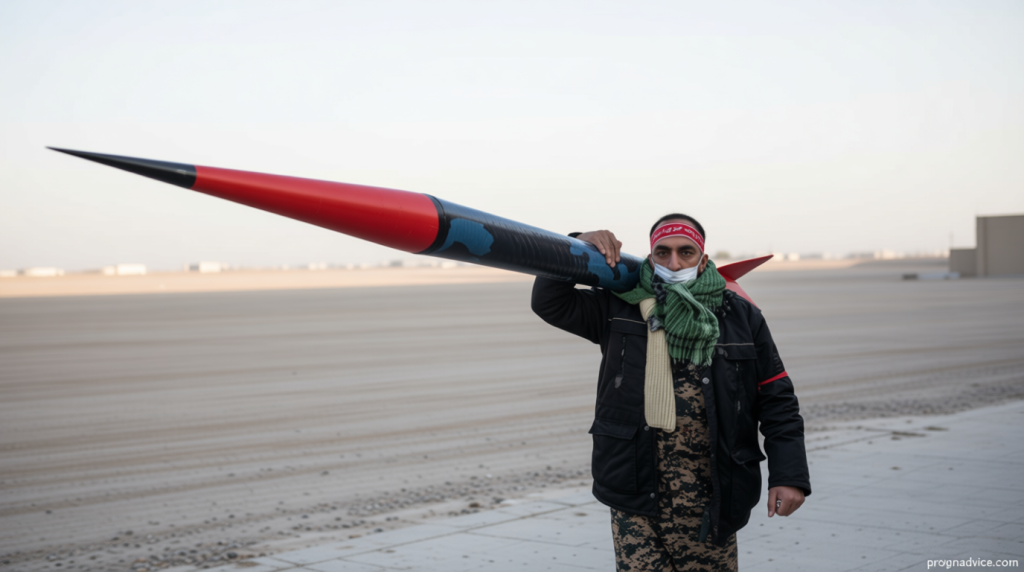
As Iran War Rages, Gulf Neighbors Worry About Security
With Israel and the United States intensifying strikes against Iran and the Islamic Republic responding with missile attacks across the Persian Gulf, analysts stress the urgency of resuming diplomatic talks to halt the escalating conflict. As the military campaign against Iran enters its second week, the stakes for the region have grown significantly. On Friday, Iran’s strikes targeted Saudi Arabia and Bahrain, escalating tensions further. The new leader of Iran, Mojtaba Khamenei, also declared his intention to maintain the closure of the strategic Strait of Hormuz, a move that could disrupt global oil flows.
Regional Coordination Amid Uncertainty
Sebastian Sons, a senior researcher at the Center for Applied Research in Partnership with the Orient, noted that Gulf states are cautious in their public statements regarding Khamenei’s leadership. “The regional capitals are prioritizing understanding the evolving dynamics before taking definitive stances,” he explained. Philipp Dienstbier, leading the Gulf States regional program at the Konrad Adenauer Foundation, highlighted that the conflict has fostered unity among Gulf nations. “Early on, there was widespread support, even from historically divided countries,” Dienstbier remarked. He emphasized that the threat from Iran demands collaborative efforts, particularly in strengthening defenses against air and missile attacks.
Strategic Concerns and Economic Vulnerability
Sons warned that prolonged hostilities could destabilize the Gulf’s economic foundations. “Attacks on energy infrastructure, airports, or water systems threaten the region’s core interests,” he stated. He argued that Gulf states must clearly signal to Iran that certain thresholds have been crossed, yet remain open to diplomacy as a long-term solution. “The current security strategy of the Gulf is under strain,” he said, “but diplomacy remains essential for restoring equilibrium.”
Continuity Over Change in Iranian Leadership
Dienstbier suggested that Gulf governments perceive Khamenei as a continuation of Iran’s established policies rather than a radical shift. “He represents the Revolutionary Guards and has been carefully positioned as a successor,” the researcher noted. This perception, he added, implies that Iran’s current trajectory is likely to persist. “No one in the Gulf anticipates a major policy overhaul under Khamenei’s leadership,” Dienstbier concluded. Meanwhile, Sons acknowledged the leader’s familiarity, stating that his known alignment with hardliners could complicate efforts to stabilize relations. “Khamenei’s policies may remain consistent with his father’s, but his influence on regional affairs remains a key variable,” he observed.
To view this video, enable JavaScript and upgrade to a web browser supporting HTML5 video. The Gulf’s mixed response to Iran’s actions underscores the complexity of managing this crisis. While some nations have pursued deescalation, others have acted as intermediaries. However, recent strikes have eroded confidence in these efforts, leaving the region to navigate a delicate balance between conflict and diplomacy.
