IndyCar president: ‘Could be a little bit of carnage’ in DC race this weekend

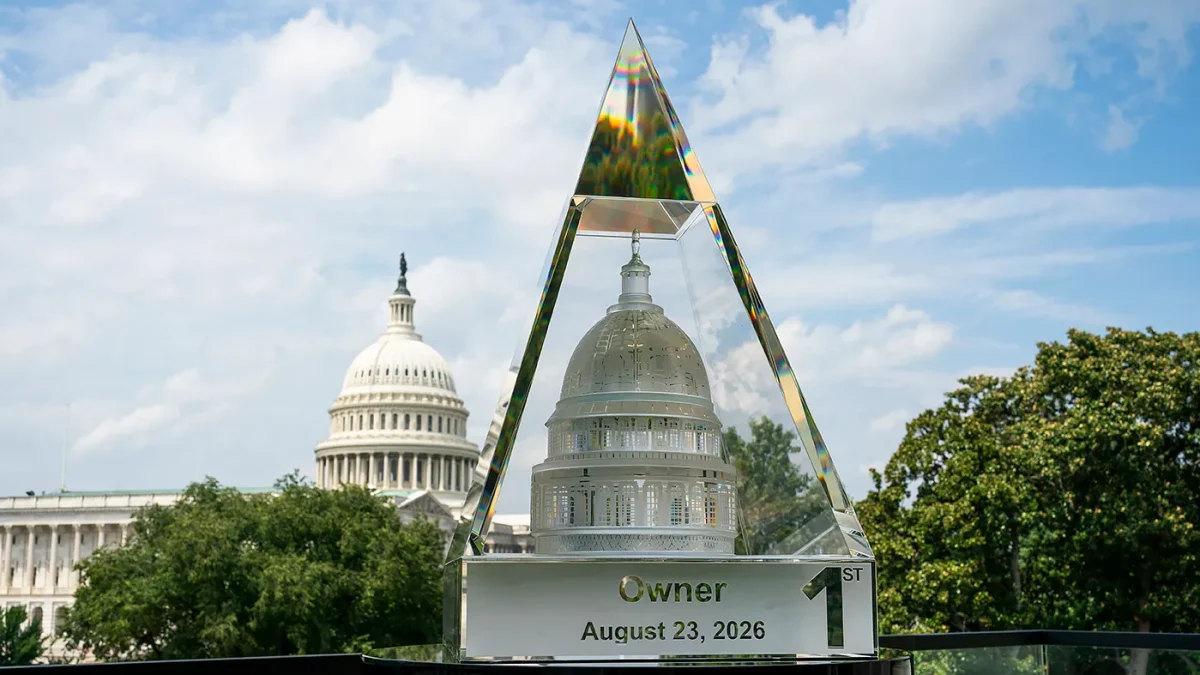
Table of Contents
IndyCar’s Freedom 250 Brings Open-Wheel Speed to the Heart of Washington
Provpnadvice.com – For the first time in the history of the National Mall, open-wheel race cars will thunder past the monuments and museums of America’s capital. The Freedom 250 Grand Prix, a two-day motorsport event scheduled for this weekend, represents a milestone that organizers spent years engineering into reality — and the course designers did not shy away from making it punishing.
Doug Boles, president of IndyCar, acknowledged Thursday morning that the layout’s geometry could produce on-track incidents. Speaking to reporters, he described the circuit’s tightest sections with a wry warning:
“It’s going to be hard to pass here — could be a little carnage at this place.”
A Circuit Built Around Democracy’s Landmarks
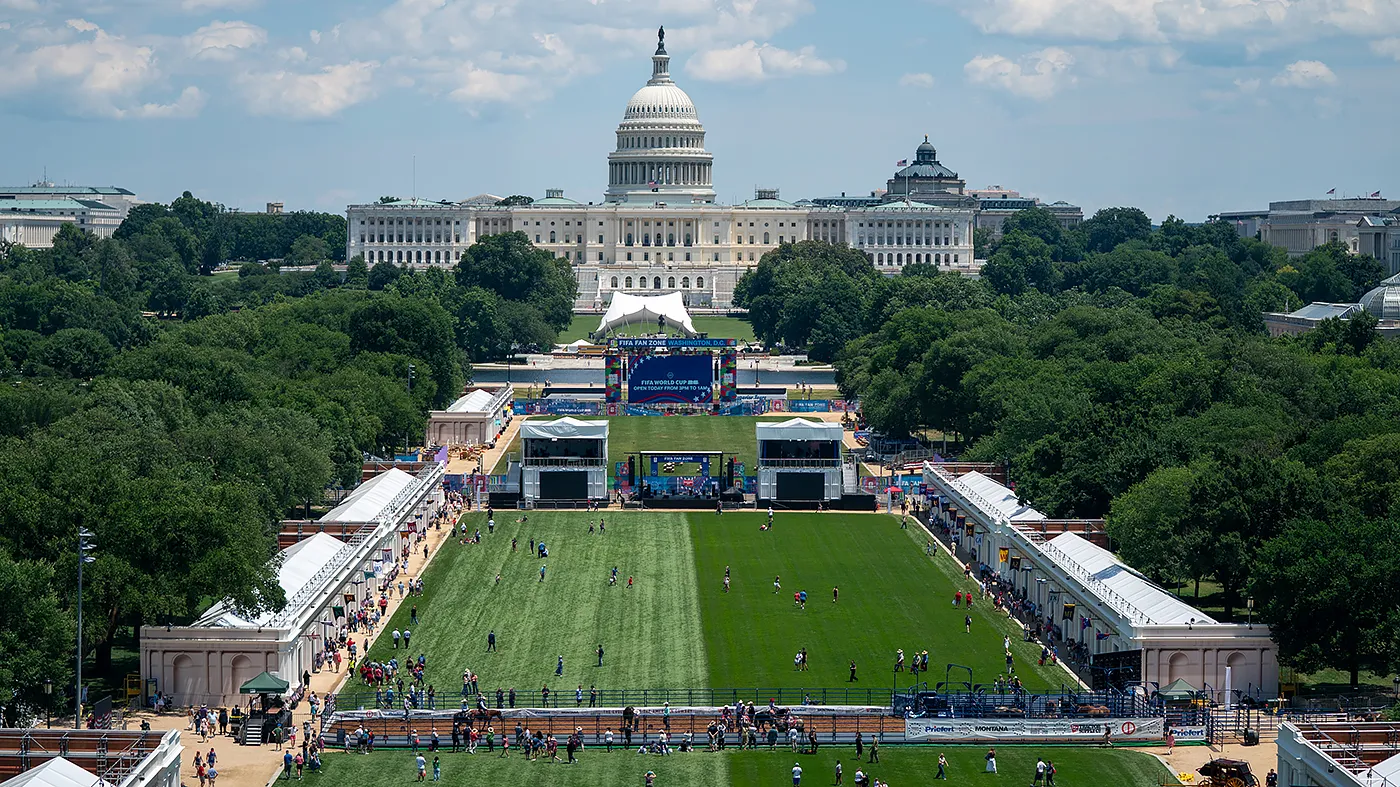
The nearly 1.7-mile loop threads between some of the most recognizable structures in the country. Drivers will navigate past the National Archives, the National Gallery of Art, and the Smithsonian National Air and Space Museum, weaving through a corridor that has hosted parades, protests, and state funerals for over a century. Now it will host 147 laps of full-throttle competition, totaling exactly 250 miles — a distance chosen deliberately to mirror the semiquincentennial, the 250th anniversary of the United States.
Boles detailed the course’s character: five corners that are, in his words, “actual 90-degree corners,” paired with two turns that “will be very fast.” That combination — brutal braking zones followed by high-speed exits — creates a track where mistakes compound quickly and passing opportunities are scarce. For a sport built on overtaking, the design philosophy is deliberately adversarial.
Logistics Behind the Spectacle
The transformation of a public park into a race venue required an extraordinary amount of physical intervention. Boles told reporters that preparation “has been a lot of work,” specifying that 200 manhole covers were welded shut to eliminate trip hazards and that existing streetlight fixtures along the racing line were dismantled entirely. The scale of that intervention underscores how unusual it remains to run a sanctioned street race through the ceremonial core of the federal government’s seat.
Bud Denker, president of Penske Corporation and chair of the Freedom 250 organizing committee, described the political and logistical gauntlet the project endured. He cited more than 80 separate meetings with members of Congress before the event received final approval, and noted that “many, many people” told him the race simply “couldn’t be done.” The skepticism was understandable: the National Mall is not a closed circuit with runoff areas. It is a public space where every inch of asphalt carries symbolic weight.
Denker also confirmed that several drivers slated to compete had already conducted reconnaissance runs around the layout. He added that the final course geometry was made more demanding than the preliminary maps circulated months earlier.
“We tried to make it a bit more challenging than you saw on the map a few months ago. The turns are a little tighter.”
The Trophy and the Stakes
During a Thursday ceremony on Capitol Hill, Denker unveiled the Freedom 250 trophy, a piece featuring a laser-etched rendering of the U.S. Capitol dome. Boles placed the award within the broader hierarchy of IndyCar prizes, comparing it to the Borg-Warner Trophy awarded to Indianapolis 500 winners.
“The only trophy better on the face of the earth is the Borg-Warner that you get when you win the Indy 500. This trophy is going to be one for the recordbooks.”
For drivers, the incentive structure is clear: a win here carries both the prestige of racing in front of the nation’s institutions and the tangible distinction of a trophy that will be catalogued in motorsport history.
A Driver’s Perspective
Graham Rahal, an American competitor entered in the weekend’s field, framed the event as a personal milestone. Speaking at the same Thursday gathering, he reflected on what it means to race through the avenues named in elementary-school geography lessons.
“To be able to come race in the U.S. capital, right in front of Capitol Hill, to drive down Pennsylvania Avenue, these are all things that as a young kid you grow up in this country, it’s some of the first things you learn are the value of those names. And so to be here, to have the red, white and blue on the car this weekend … means a lot, so we’re excited.”
Ceremonial Elements and Broader Significance
The weekend’s program includes a ceremonial “lap of honor” in which President Donald Trump and First Lady Melania Trump are expected to drive the course aboard the presidential limousine known as “The Beast.” That appearance will place the most powerful vehicle in the country alongside the fastest open-wheel cars on the planet, a juxtaposition that organizers intend to underscore the event’s patriotic framing.
Beyond the spectacle, the Freedom 250 tests whether Washington can sustain a recurring motorsport calendar slot. If the weekend proceeds without major infrastructure damage or public-safety incidents, it opens the door to annual events on the Mall — a prospect that would make the National Mall one of the few public spaces in the world to host both a head-of-state’s motorcade and a Formula-style race in the same season. The engineering, the politics, and the racing all converge on those 147 laps, and the outcome will shape what comes next.
Related Reading
Frequently Asked Questions
What is IndyCar president?
IndyCar president is the main topic of this guide. The article explains the context, practical details, and next steps readers should understand.
Why does IndyCar president matter?
IndyCar president matters because readers are looking for a useful answer, not just a short summary. Good content should match search intent and help them decide what to do next.