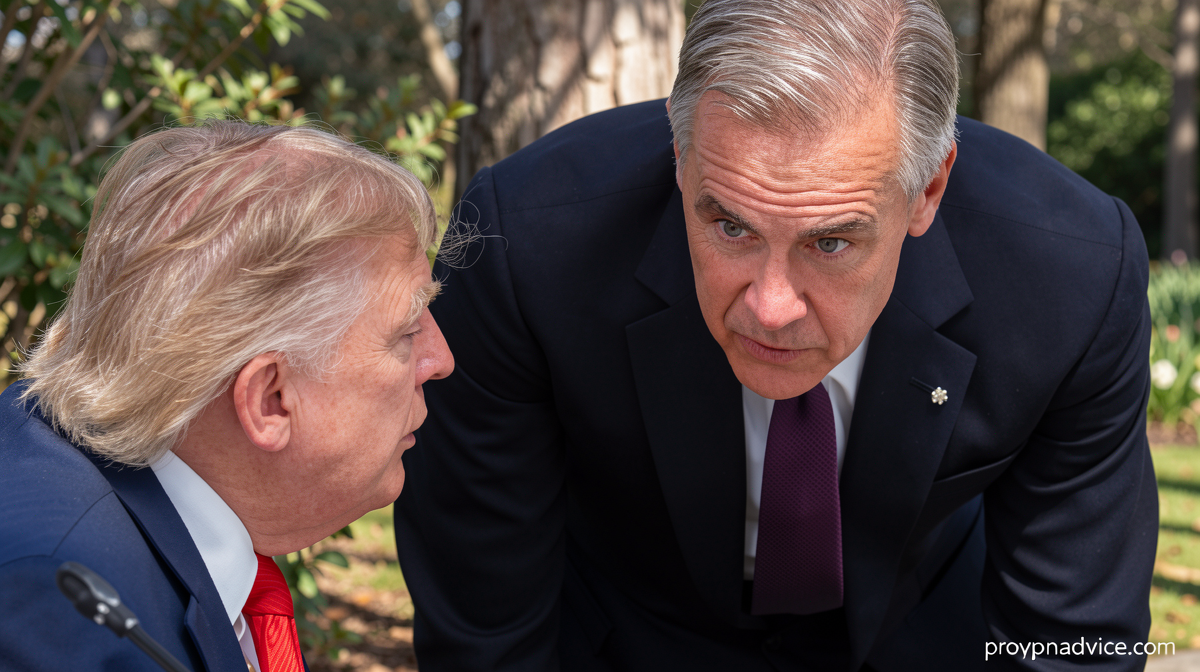
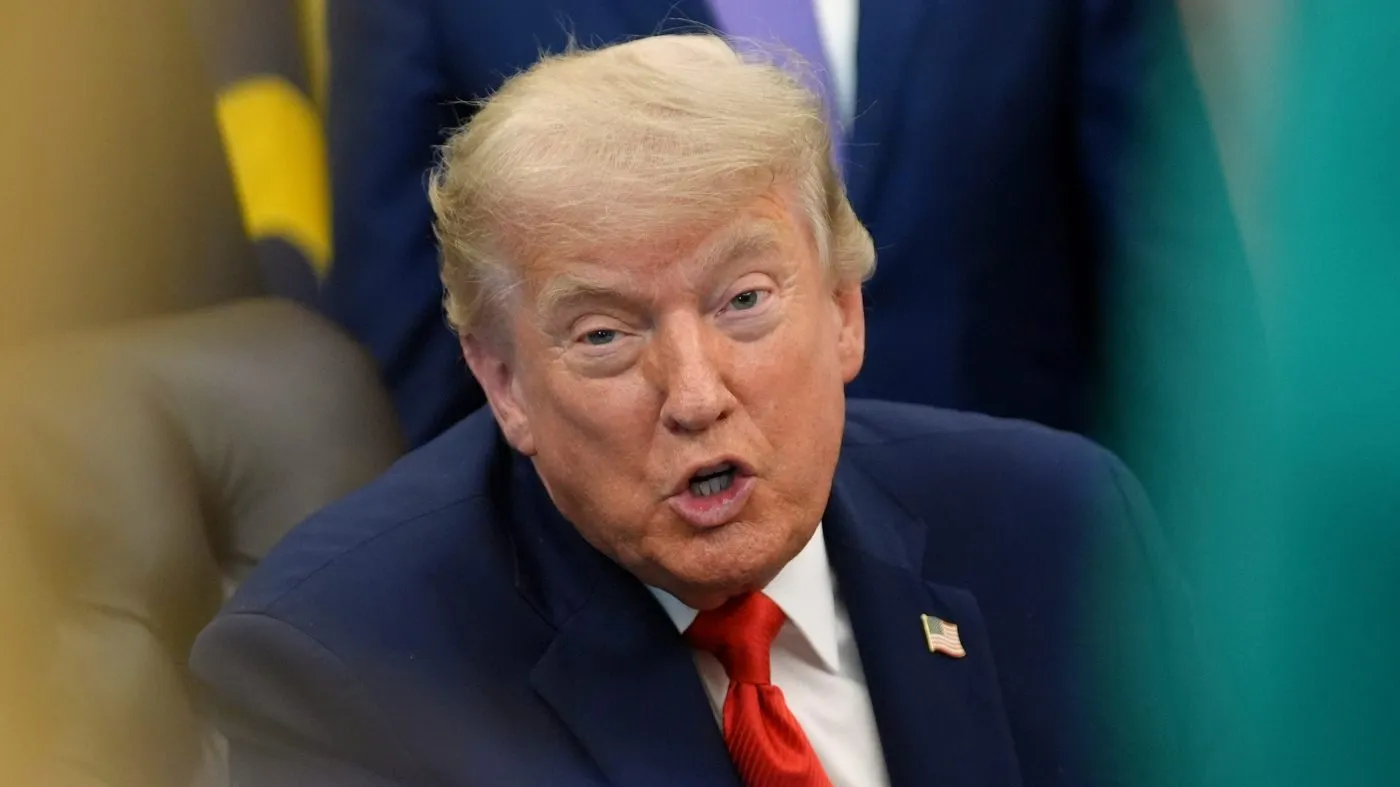
Trump threatens to ‘bomb the s‑‑‑ out of Oman’ over Iran deal

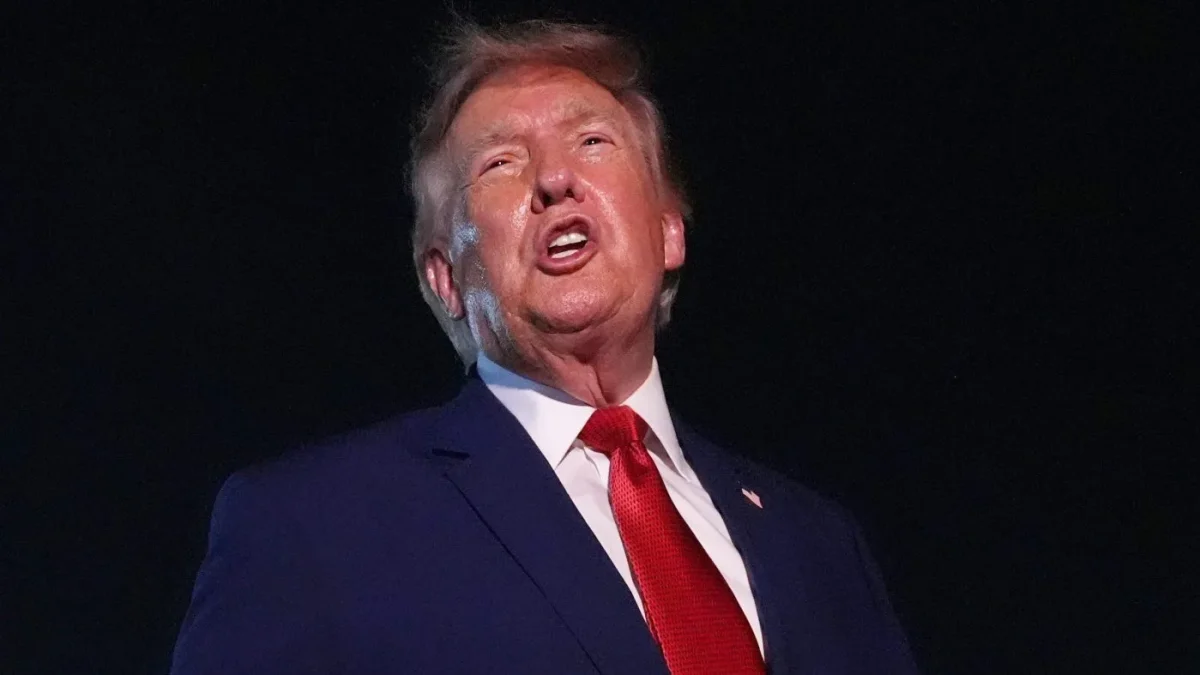
Table of Contents
Trump’s Blunt Warning to Oman as Hormuz Shipping Talks Enter Critical Phase
Provpnadvice.com – The Strait of Hormuz, the narrow maritime corridor linking the Persian Gulf to the open waters of the Gulf of Oman, has long served as one of the most consequential chokepoints in global energy logistics. In 2025, roughly 34 percent of the world’s crude oil shipments transited this waterway, according to the International Energy Agency. That figure underscores why every diplomatic maneuver around the strait carries implications far beyond the two nations directly involved. It is against this backdrop that President Donald Trump issued a pointed warning to Omani officials on Monday, telling them not to obstruct American interests while Washington negotiates with Tehran over the reopening of shipping lanes through the strait.
A Threat Delivered on Air
Speaking to Fox News correspondent Trey Yingst, the president made his position unmistakable. He told the journalist that if Oman attempted to interfere with the bilateral talks between the United States and Iran, the response would be forceful.
“If Oman gets in the way, we’ll bomb the s— out of them.”
Yingst did not release audio of the exchange, leaving the precise inflection and context of the remark to the written transcript. The comment nonetheless landed with particular weight given Oman’s long-standing role as a quiet mediator in Gulf affairs. Muscat has historically positioned itself as a neutral interlocutor between Washington and Tehran, hosting back-channel conversations and shuttle diplomacy for decades. A public threat of that intensity from the American president to a small, non-aligned Gulf state signals either a genuine frustration with perceived Omani mediation efforts or a deliberate attempt to pressure Oman into a more passive posture as the Hormuz talks advance.
What Oman and Iran Are Negotiating
Officials in both Muscat and Tehran have been working through the operational details of a proposed arrangement to establish new, regulated shipping lanes within the strait. The goal is to create a predictable transit framework that would restore normal commercial flow through the waterway after months of disruption tied to the broader conflict between the United States and Iran.
Esmail Baghaei, spokesperson for Iran’s Foreign Ministry, addressed reporters on Monday to confirm that the two Middle Eastern countries had reached what he described as “an understanding” concerning the “map of the transit route” in the strait. The phrasing suggests a preliminary geographic and procedural agreement rather than a fully ratified treaty, leaving open questions about enforcement, insurance liability, and the role of naval escorts.
Tehran’s Preconditions
Before the current round of talks, Iranian officials had laid out a set of conditions they considered non-negotiable for any reopening of the waterway. Those conditions included the withdrawal of the Trump administration’s naval blockade of Iranian ports, payment of compensation for wartime damages, the unfreezing of Iranian sovereign assets held abroad, the lifting of economic sanctions, and a permanent cessation of hostilities. Whether all of those demands have been folded into the Oman-Iran framework remains unclear. The gap between Tehran’s maximalist list and what Washington is prepared to concede is likely the central friction point in the ongoing negotiations.
Complicating matters further, Trump himself has added a separate demand to the table. Last week, he insisted that any final agreement must include reparations from Iran to families of Americans killed by what he called “their roadside bombs and many conflicts,” as well as to the families of protesters executed by the Iranian government over the past five decades. That framing extends the scope of the deal well beyond maritime logistics and into questions of accountability for domestic repression, a step that Tehran has historically resisted in multilateral settings.
The Clock on the Interim Arrangement
The diplomatic calendar adds urgency. A 60-day memorandum of understanding between Washington and Tehran, designed to hold the conflict at bay while longer-term talks proceed, officially expires on Monday. Both sides have, in practice, already strained that interim framework: since early July, the United States and Iran have exchanged strikes in what officials on both sides have characterized as violations of the memorandum’s terms. The expiration date therefore arrives not as a clean transition but as a moment when the legal scaffolding holding the ceasefire together simply vanishes unless replaced.
Asked about the timeline for a permanent settlement, Trump struck a deliberately unhurried tone.
“I have no time schedule.”
He added that his administration maintains a back channel for direct communication with officials inside Iran’s Islamic Revolutionary Guard Corps, suggesting that negotiations are proceeding on at least two tracks: the formal Oman-mediated maritime talks and a parallel military-to-military dialogue. The existence of that IRGC channel implies that Washington is treating the Revolutionary Guard as a principal negotiating actor rather than merely an executor of Foreign Ministry positions, a distinction that carries significant implications for how any final agreement would be implemented on the ground.
Why the Strait Matters to Everyone
For readers outside the Gulf, the stakes of these talks extend well beyond oil prices. The Strait of Hormuz is approximately 33 kilometers wide at its narrowest point, with shipping channels on either side only a few hundred meters broad. Disruption there does not merely raise freight costs; it can halt the flow of liquefied natural gas from Qatar, delay military logistics for nations stationed in the region, and trigger cascading insurance premiums that ripple through global shipping markets. A stable, rules-based transit regime negotiated now would reduce the probability of another sudden closure, whether by accident, miscalculation, or deliberate escalation. Conversely, a breakdown in talks leaves the strait exposed to the same kind of kinetic risk that has already produced exchanges of strikes since July.
Trump’s warning to Oman, however blunt, places the small sultanate in an uncomfortable position: continue its traditional mediating role and risk American displeasure, or step back and cede the entire Hormuz question to a bilateral U.S.-Iran negotiation in which Muscat’s leverage is considerably diminished. The answer to that question will shape not only the fate of the strait’s shipping lanes but also the broader architecture of Gulf diplomacy in the months ahead.
Related Reading
Frequently Asked Questions
What is Trump threatens to bomb the s out?
Trump threatens to bomb the s out is the main topic of this guide. The article explains the context, practical details, and next steps readers should understand.
Why does Trump threatens to bomb the s out matter?
Trump threatens to bomb the s out matters because readers are looking for a useful answer, not just a short summary. Good content should match search intent and help them decide what to do next.