Ben Shapiro says Rubio’s potential 2028 White House bid against Vance could backfire

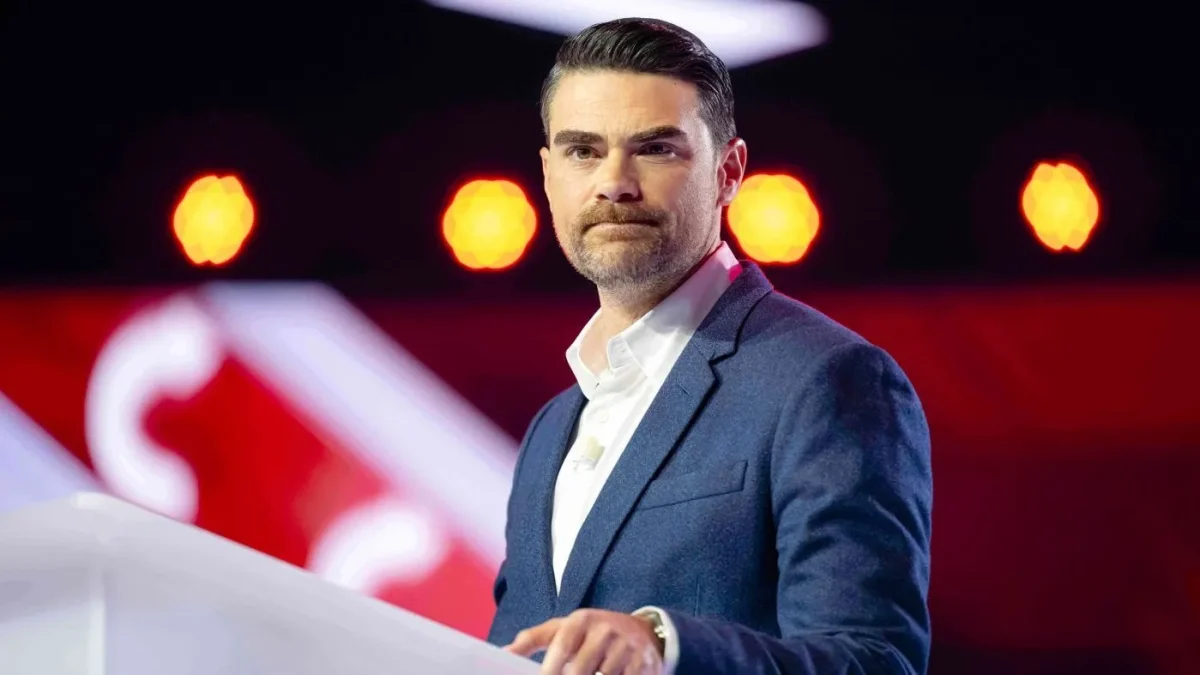
Table of Contents
Shapiro Questions Whether Rubio Should Challenge Vance in 2028 Presidential Race
Provpnadvice.com – Conservative media personality Ben Shapiro has raised concerns about a potential future electoral contest between Secretary of State Marco Rubio and Vice President JD Vance, suggesting the matchup could prove unfavorable for the secretary of state. During a recent podcast appearance, Shapiro outlined multiple scenarios that might discourage Rubio from entering the presidential arena.
The commentary came during Shapiro’s conversation with entrepreneur Patrick Bet-David, which aired on Wednesday. Shapiro expressed skepticism regarding Rubio’s likelihood of pursuing the presidency, pointing to the secretary’s established reputation as someone who avoids political gambles.
Four Scenarios for Rubio’s Future
Shapiro walked listeners through what he described as Rubio’s strategic options going forward. The first possibility involves challenging Vance directly for the nomination. According to Shapiro, failure in such a contest would effectively end Rubio’s presidential aspirations.
“If you’re Marco and you’re … gaming out what the next few years look like for you, here are your choices: Run against JD, you lose, you’re done,” Shapiro said.
The second scenario envisions Rubio defeating Vance but still facing electoral difficulties. Shapiro noted that the upcoming election cycle could present challenges regardless of the primary outcome, citing President Trump’s approval ratings hovering in the thirties and public sentiment favoring fresh leadership.
“You run against JD, you win, it’s a rough election cycle anyway because the president’s riding in the 30s and the country’s in the mood for ‘something new’ and you lose, you’re done,” Shapiro continued.
Shapiro then outlined two additional possibilities involving Rubio remaining outside the presidential race. In one case, Vance might select Rubio as his running mate. Should Vance lose the general election, Rubio would likely emerge as the party’s next presidential nominee. Alternatively, if Vance chooses someone else for vice president and subsequently loses, Rubio would again find himself positioned as the party’s standard-bearer.
“You don’t run, JD may pick you as his VP candidate, JD loses, you’re next. JD does not pick you and JD loses, you’re also next.”
Risk Aversion as a Political Factor
The conservative commentator concluded that Rubio’s tendency toward caution would likely prevent him from launching a campaign. Shapiro indicated he would favor Vance as the more probable candidate in any potential primary contest.
Rubio’s political trajectory has been marked by careful decision-making throughout his career. Having served as a U.S. Senator from Florida for over a decade before his appointment as Secretary of State, the 73-year-old has built a reputation for steady, measured governance rather than bold political maneuvers.
Vance, by contrast, has experienced a more rapid ascent in American politics. The Ohio senator, who became vice president following the 2024 election, has positioned himself as a voice for working-class Americans and has maintained close ties with the Trump administration.
Current Administration Dynamics
Neither Rubio nor Vance has formally declared their intentions regarding the 2028 presidential election. However, President Trump has publicly expressed confidence in both officials, describing them as a potential “dream team” for a unified ticket.
During a May press briefing, Trump told reporters that he envisioned both men serving in presidential roles, though he declined to specify which position each would occupy.
Vance has addressed questions about his relationship with Rubio, emphasizing their personal connection despite their different political backgrounds. The vice president described Rubio as someone he genuinely admires and considers a close friend.
“I love Marco. I think he’s a great Secretary of State,” Vance said. “He’s become a very, very dear friend, but I think both of us are very much focused on accomplishing the American people’s business right now.”
Vance also reflected on the importance of focusing on current responsibilities rather than positioning for future opportunities. He suggested that politicians who appear too eager to advance their careers while still serving in their current roles might alienate voters.
“If I was the American people, there are few things that I would hate more than a person who’s barely been in office a year-and-a-half who’s angling for a job two-and-a-half years down the road,” he continued. “Let’s do a good job now. We are, we’ve just got to keep at it.”
The potential Rubio-Vance dynamic represents one of several possible scenarios for the Republican Party’s 2028 presidential nomination. With Trump potentially seeking a third term or endorsing a successor, the party faces questions about leadership continuity and generational transition. Shapiro’s analysis highlights how internal party relationships and individual political styles could shape the Republican ticket in the coming years.
Political observers note that the vice president’s role in determining the party’s future direction will be significant, particularly if Trump chooses not to run again. Rubio’s experience in both legislative and executive branches positions him as a potential successor, while Vance’s rapid rise and strong Trump connection make him another viable option. How these two figures navigate their current positions and relationships may ultimately determine the Republican Party’s trajectory through the next election cycle.
Related Reading
Frequently Asked Questions
What is Ben Shapiro says Rubio s potential 2028?
Ben Shapiro says Rubio s potential 2028 is the main topic of this guide. The article explains the context, practical details, and next steps readers should understand.
Why does Ben Shapiro says Rubio s potential 2028 matter?
Ben Shapiro says Rubio s potential 2028 matters because readers are looking for a useful answer, not just a short summary. Good content should match search intent and help them decide what to do next.