Iran attacks third UAE tanker within a week

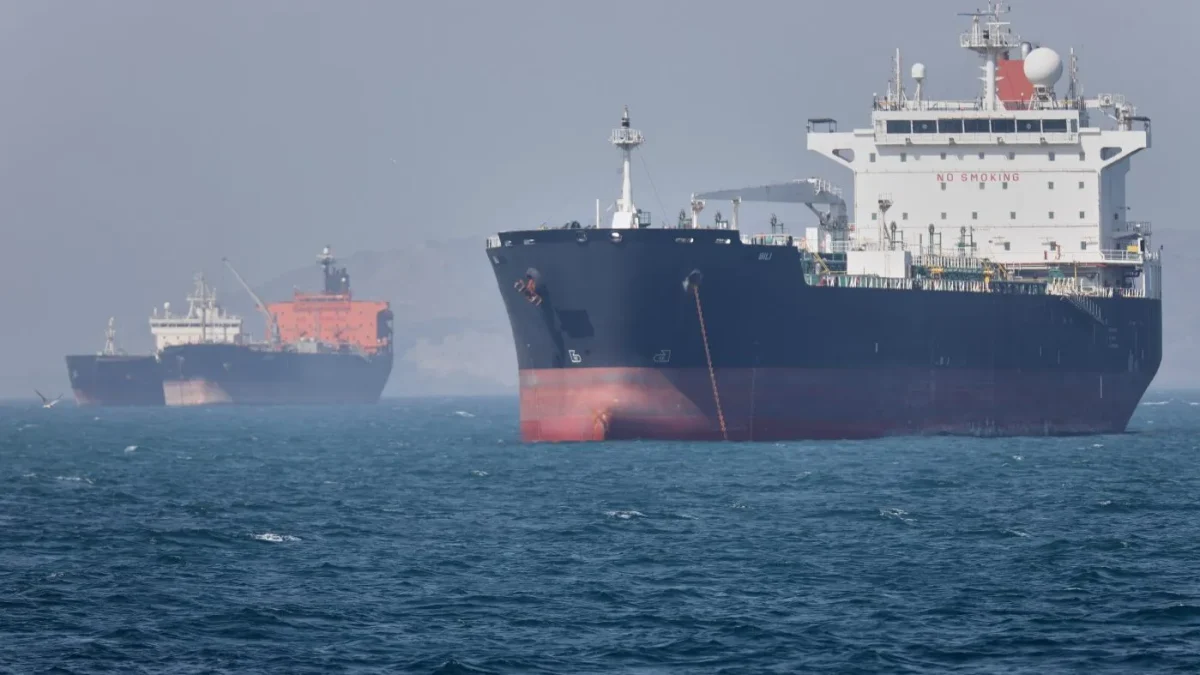
Table of Contents
UAE Condemns Third Iranian Attack on Oil Tanker in Strait of Hormuz
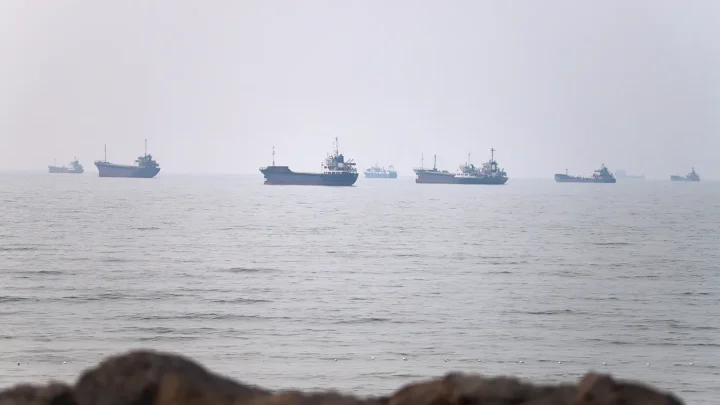
Provpnadvice.com – The United Arab Emirates has formally accused Iran of launching another assault on one of its state-owned oil vessels, marking the third such confrontation in less than seven days. The incident occurred on Friday as the Abu Dhabi National Oil Company ship navigated through the strategically vital Strait of Hormuz, a critical maritime corridor for global energy supplies.
According to the UAE Foreign Ministry, the attack represents a serious breach of international maritime law and has prompted calls for Tehran to immediately cease hostilities and restore full navigation rights through the waterway. The ministry emphasized that the strait, which historically carried approximately one-fifth of the world’s crude oil production, must remain open to commercial traffic without obstruction.
Escalating Tensions in the Region
The latest assault on an ADNOC vessel follows two similar incidents that targeted other company tankers within a 48-hour period. While those earlier attacks resulted only in minor structural damage and no casualties, the pattern of repeated targeting has heightened concerns among international shipping companies and regional stakeholders.
Iran’s Revolutionary Guards Corps has maintained that it will continue to monitor and potentially intercept vessels passing through the strait, particularly those connected to countries considered adversaries of Tehran or those that fail to comply with Iranian directives. This policy has contributed to a significant decline in maritime traffic through the channel since the conflict began on February 28, 2026.
“This attack constitutes a flagrant violation of UN Security Council resolution 2817, which affirmed the importance of freedom of navigation, and rejected the targeting of commercial vessels or the obstruction of international maritime routes,” the UAE Foreign Ministry stated in an official declaration.
International Legal Framework
UN Security Council Resolution 2817, referenced by the UAE, establishes clear guidelines regarding maritime navigation rights and prohibits the deliberate targeting of civilian shipping. The resolution was adopted to protect commercial interests and ensure that geopolitical disputes do not disrupt global supply chains. By invoking this resolution, the UAE is positioning its response within an established international legal framework.
The strategic importance of the Strait of Hormuz cannot be overstated. This narrow waterway connects the Persian Gulf to the Gulf of Oman and serves as the primary export route for oil from several Middle Eastern nations. Any disruption to traffic through this channel has immediate implications for global energy markets and economic stability worldwide.
UAE’s Diplomatic and Strategic Response
Anwar Gargash, serving as a senior diplomatic adviser to UAE President Mohamed bin Zayed Al Nahyan, issued a statement emphasizing the nation’s commitment to protecting its interests while pursuing measured diplomatic solutions. Gargash noted that the repeated attacks on ADNOC tankers would not alter the UAE’s approach to regional engagement.
“Repeated targeting of ADNOC company tankers will not deter the United Arab Emirates from moving forward with a balanced and rational policy,” Gargash wrote in a statement shared on social media, which was translated from Arabic using artificial intelligence technology.
The adviser further clarified that the UAE would continue to exercise its rights under international law to navigate freely through the strait while simultaneously prioritizing dialogue and diplomatic channels to resolve the underlying tensions.
Broader Geopolitical Context
The maritime disputes in the Strait of Hormuz are part of a larger confrontation between Iran and the United States, with competing claims over control of the waterway influencing shipping patterns and regional security arrangements. Iran has consistently maintained that the strait will remain effectively closed until Washington fulfills specific conditions related to ending the ongoing conflict.
Meanwhile, the Trump administration has signaled its willingness to sustain a naval blockade around Iran for an indefinite period, further complicating efforts to restore normal maritime operations. These competing positions have created uncertainty for international shipping companies, many of which have adjusted their routes to avoid potential risks in the region.
The economic implications of the ongoing situation extend beyond immediate shipping disruptions. Reduced throughput through the strait has contributed to price volatility in global oil markets, affecting consumers and industries dependent on stable energy supplies. As diplomatic efforts continue, the international community watches closely to see whether renewed negotiations can lead to a de-escalation of tensions and the restoration of full navigation rights through this critical maritime corridor.
Related Reading
Frequently Asked Questions
What is Iran attacks third UAE tanker within?
Iran attacks third UAE tanker within is the main topic of this guide. The article explains the context, practical details, and next steps readers should understand.
Why does Iran attacks third UAE tanker within matter?
Iran attacks third UAE tanker within matters because readers are looking for a useful answer, not just a short summary. Good content should match search intent and help them decide what to do next.