Daylight saving time battle pits Senate GOP against Trump


Table of Contents
Senate Republicans Resist Trump’s Push for Permanent Daylight Saving Time
Provpnadvice.com – President Donald Trump has intensified his campaign urging Senate Republicans to approve legislation that would establish daylight saving time as a permanent fixture across the nation. However, the initiative faces considerable headwinds from GOP lawmakers representing states where winter mornings would remain shrouded in darkness for extended periods.
During a Wednesday message posted on Truth Social, the president expressed frustration with the biannual clock adjustments that Americans endure. He characterized the practice as something citizens have grown weary of, noting that it generates substantial financial costs and potentially creates health concerns related to anxiety. Trump specifically called on Republican senators to expedite passage of the Sunshine Protection Act without delay.
This is an issue that Republicans, Dumocrats, and Independents can unite behind. I am asking Republican Senators to PASS THE SUNSHINE PROTECTION ACT, ASAP.
The president’s latest appeal mirrors communications he has issued over the past week, signaling his determination to keep the matter on the legislative agenda. The House of Representatives approved the proposal approximately one month prior, with a robust bipartisan coalition of 308 members supporting it against 117 opposing votes.
Regional Concerns Drive Opposition
Senate Republicans hailing from various states have voiced reservations about the potential consequences of permanent daylight saving time. Their primary concern centers on children who would need to wait for school transportation during darker, colder winter mornings when the sun rises significantly later.
According to Senate GOP sources, the legislation cannot advance through unanimous consent in the upper chamber. Lawmakers warn that forcing a vote under regular order would consume at least seven days of the Senate’s schedule. This represents a considerable opportunity cost given that only a handful of legislative weeks remain in the calendar year alongside numerous competing priorities.
The proposed legislation would transform daylight saving time—currently observed by most states from March through November—into the permanent standard throughout the year. Two states currently stand apart from this practice: Arizona and Hawaii do not adjust their clocks seasonally.
Historical Precedent Supports Caution
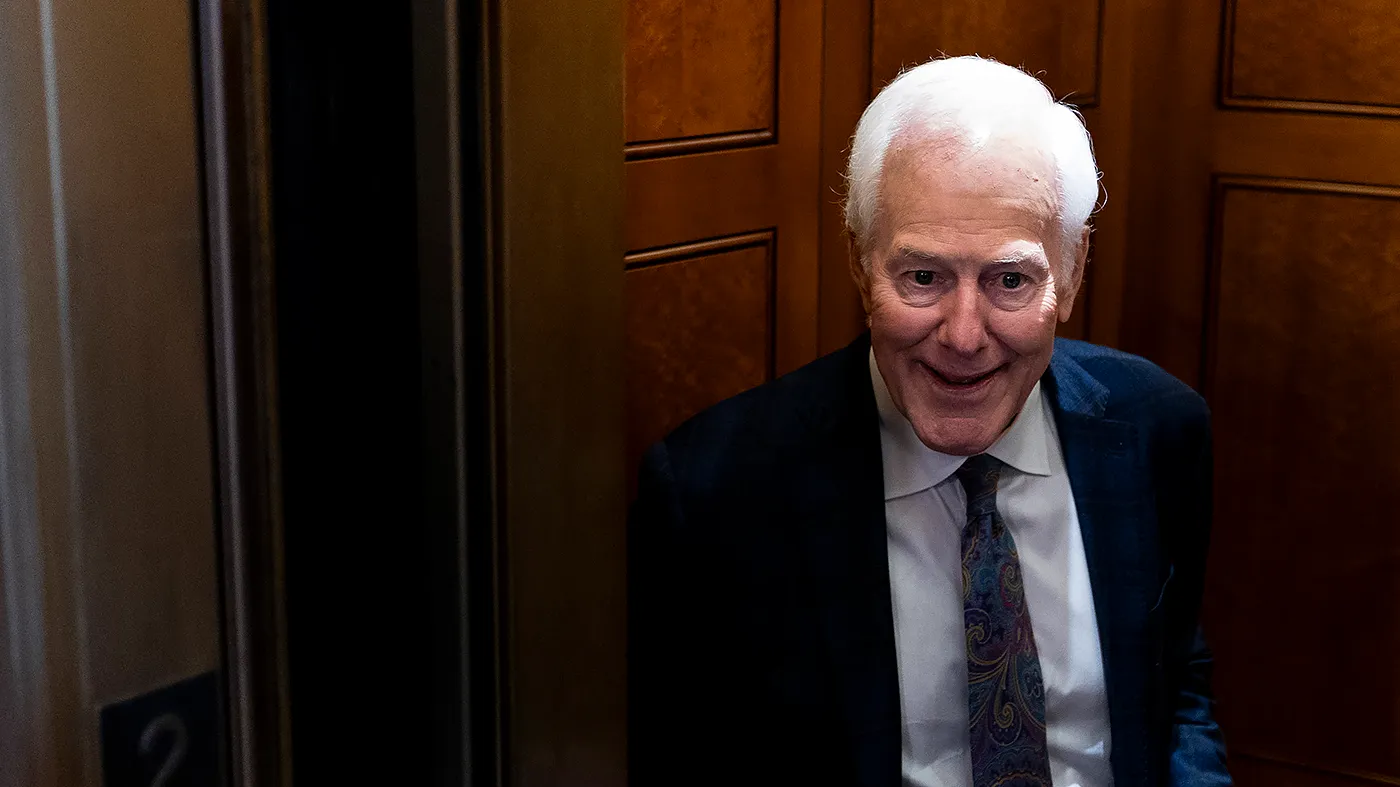
Senator Tom Cotton of Arkansas has emerged as a vocal critic of the proposal, articulating concerns during a recent appearance on The Hugh Hewitt Show. He emphasized that policymakers must carefully consider the secondary consequences of making daylight saving time permanent nationwide.
You have to think through the second-order implications of what permanent daylight savings would mean. It may sound great in the summer months, and it may sound great if you live in Florida and you like to play golf, but if you live in Bentonville, Ark., the sun wouldn’t come up in the depths of winter until well after 8 o’clock, maybe even 8:30.
Cotton highlighted that numerous communities across the Midwest and Rocky Mountain regions would experience sunrise times of 9 a.m., 9:30 a.m., or even approaching 10 a.m. during the coldest months. He identified specific cities including Indianapolis, Grand Rapids in Michigan, and Kalispell in Montana as locations where late winter sunrises would become the norm.
The Arkansas senator drew attention to a historical parallel, noting that Congress previously enacted permanent daylight saving time in 1973 before swiftly reversing course after observing practical challenges. Public opinion initially favored the change, with polling from December 1973 showing 79 percent approval. However, once the clocks were permanently set back for both seasons, support dropped dramatically to 42 percent by February 1974.
People had experienced daylight savings time in the depth of winter. Congress almost immediately repealed it — more than 380 votes in the House and unanimously in the Senate.
Political Dynamics and Future Outlook
As chair of the Senate Republican Conference, Cotton holds the position of No. 3 ranking member within GOP Senate leadership. He predicted that the legislation would fail to secure passage, noting that opposition extends beyond party lines to include senators from both major parties.
This represents one of those issues that is more of a regional issue than it is a partisan issue, Cotton observed, suggesting that geographic location matters more than political affiliation in determining how lawmakers will vote.
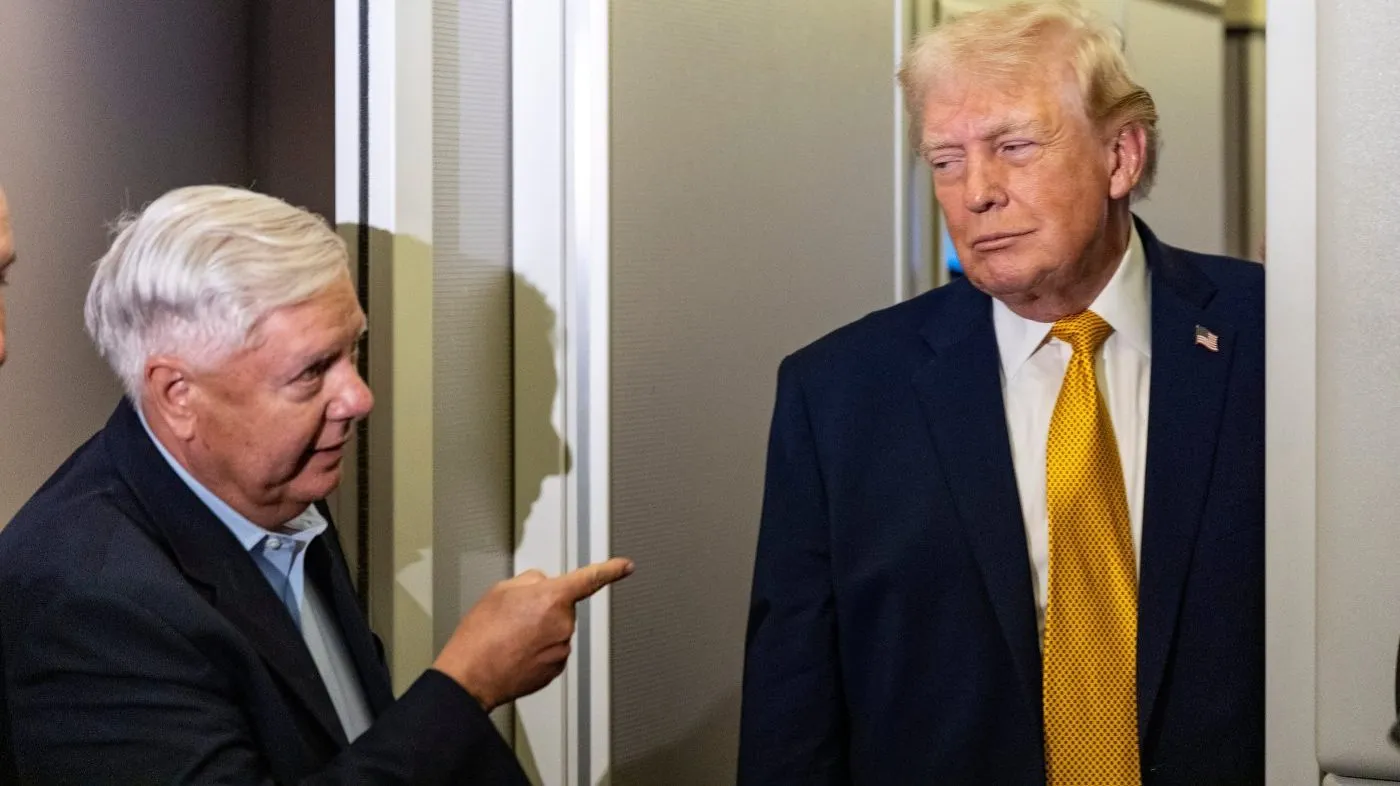
Despite mounting resistance, Trump has maintained pressure on Senate Republicans to approve the measure. This effort parallels his unsuccessful attempts to eliminate the filibuster and to cancel the August congressional recess for debate on the Safeguard American Voter Eligibility Act.
The president has also advanced arguments connecting permanent daylight saving time to broader public benefits. He cited medical, crime, and economic research suggesting that eliminating the biannual clock change would provide an additional hour of evening sunlight, potentially reducing robbery and homicide rates, decreasing automobile accidents involving pedestrians, and lowering risks for cardiac problems, strokes, and seasonal depression.
Senate Majority Leader John Thune will likely play a pivotal role in determining whether the legislation receives floor consideration before the congressional session concludes. The combination of regional opposition, limited legislative time, and historical precedent suggests that achieving passage may prove challenging despite the president’s persistent advocacy.
Related Reading
Frequently Asked Questions
What is Daylight saving time battle pits Senate?
Daylight saving time battle pits Senate is the main topic of this guide. The article explains the context, practical details, and next steps readers should understand.
Why does Daylight saving time battle pits Senate matter?
Daylight saving time battle pits Senate matters because readers are looking for a useful answer, not just a short summary. Good content should match search intent and help them decide what to do next.