Soldiers killed in Fort Hood chopper crash identified

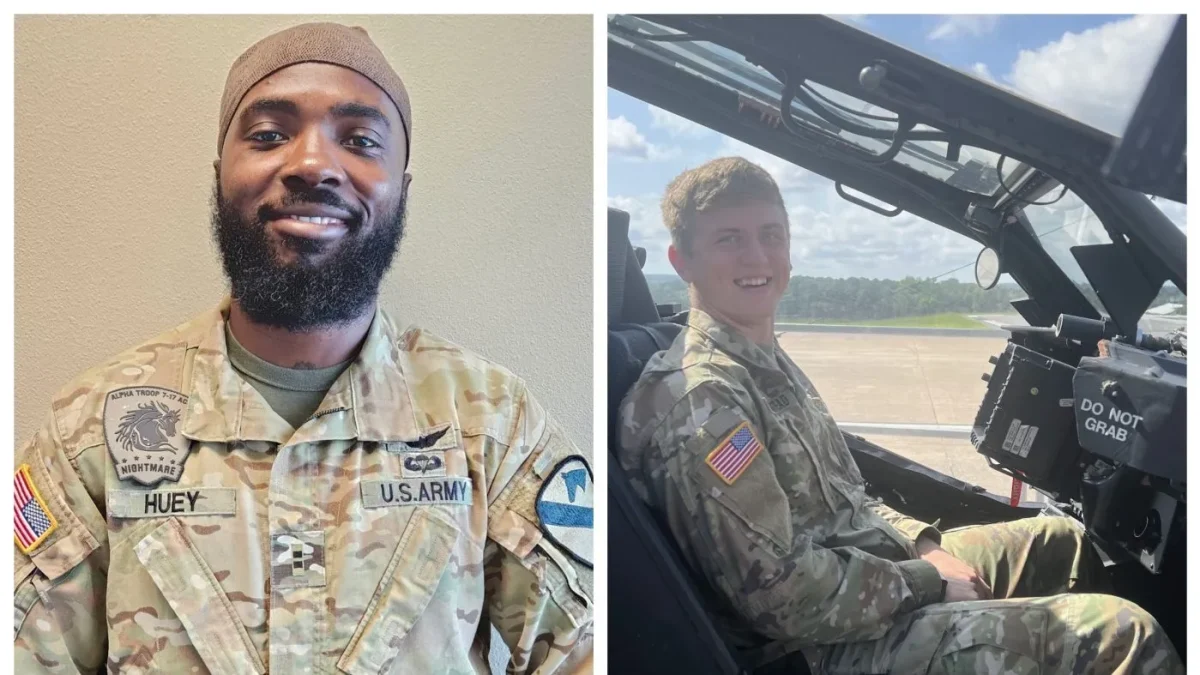
Table of Contents
Fort Hood Helicopter Crash Claims Two Soldiers’ Lives
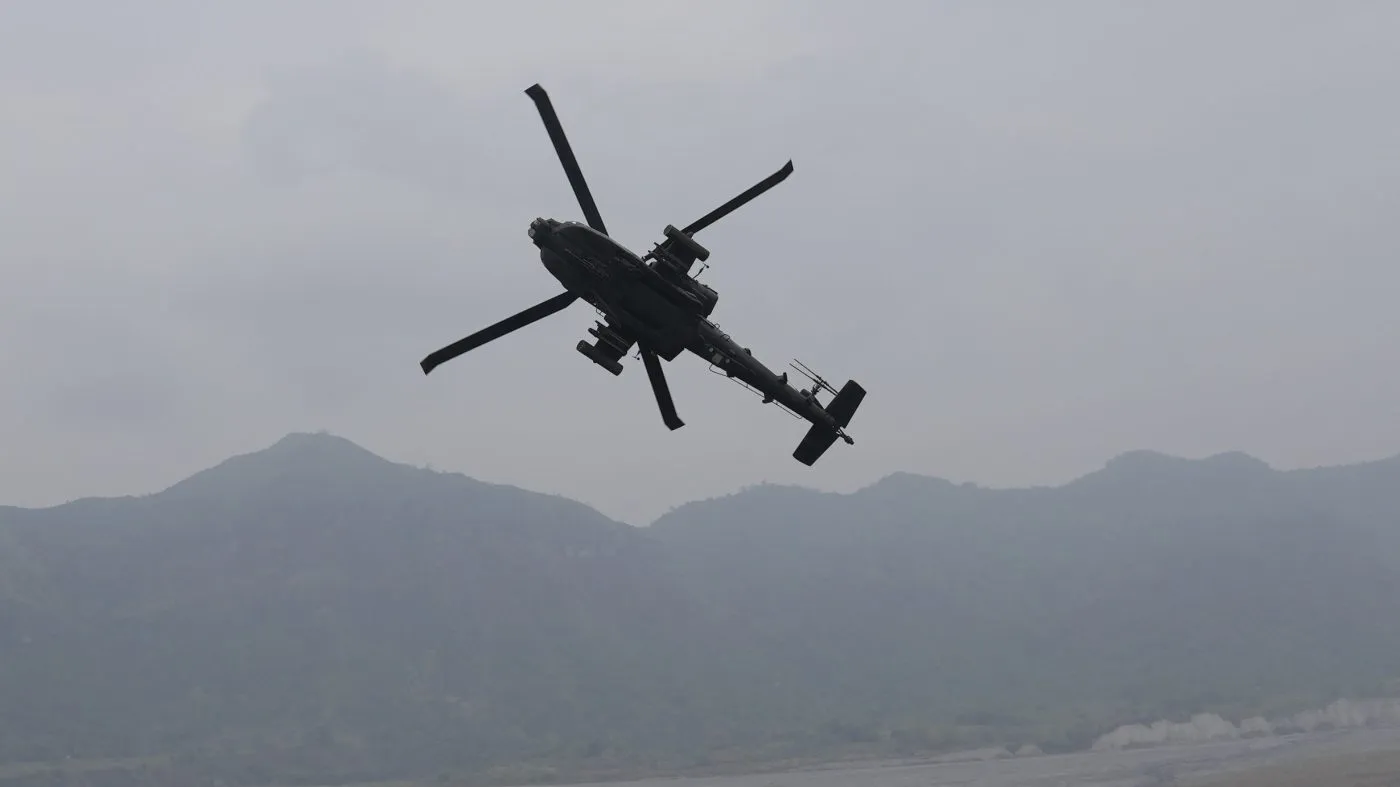
Provpnadvice.com – Two members of the U.S. Army have been confirmed dead following a helicopter accident that occurred near Fort Hood in Central Texas. The tragic incident took place on Wednesday, August 12, when an Apache attack helicopter experienced a critical failure during a routine maintenance test flight. Both servicemembers aboard the aircraft perished when the aircraft crashed into an open field in the region.
The U.S. Army has officially identified the fallen soldiers as Chief Warrant Officer 2 Deontre T. Huey and Warrant Officer Seth L. Olmstead. Their deaths have prompted a comprehensive safety investigation led by personnel from the U.S. Army Combat Readiness Center located in Fort Rucker, Alabama. The investigation team will examine all aspects of the incident to determine the precise cause of the mishap that claimed the lives of these two dedicated military professionals.
The Incident Unfolds
According to military officials, the AH-64E Apache attack helicopter was conducting a scheduled maintenance test flight when the accident occurred. The aircraft experienced what the Army described as a “mishap” at approximately 1:40 p.m. local time. The helicopter crashed in a Central Texas field, and both soldiers on board were killed instantly in the impact.
While the helicopter did not strike any structures during its descent, the crash triggered a wildfire that spread across the surrounding area. The fire was significant enough to force the evacuation of several nearby homes as emergency responders worked to contain the blaze. The incident highlighted the potential dangers associated with helicopter operations, even during routine maintenance procedures.
Profiles of the Fallen Soldiers
Chief Warrant Officer 2 Deontre T. Huey was 34 years old and a resident of Killeen, Texas. Huey had dedicated over a decade of service to the U.S. Army, having joined the military in February 2014. He initially entered the Army as a motor transport operator, a role that required him to manage and maintain various military vehicles and equipment. His career progression from operator to Chief Warrant Officer 2 demonstrates his commitment and expertise in military operations.
Warrant Officer Seth L. Olmstead was 25 years old and called Belton, Texas, home. Olmstead had a more recent military career, having joined the Army in January 2023 as a warrant officer candidate. His rapid advancement to warrant officer status within approximately two years reflects both his dedication and the Army’s investment in developing young talent. Olmstead’s relatively short but promising military career was cut short by this tragic accident.
Fort Hood: America’s Largest Army Installation
The crash occurred near Fort Hood, which stands as the largest U.S. Army base in the world. Located in central Texas, the installation spans approximately 218,000 acres and serves as home to more than 43,000 military personnel and civilians. The base is known for its extensive helicopter operations, including training exercises, combat readiness missions, and maintenance flights like the one that ended in tragedy.
The Central Texas region where Fort Hood is situated experiences periodic wildfires, particularly during dry seasons. The area’s terrain, characterized by open fields and scattered vegetation, can contribute to rapid fire spread under the right conditions. The wildfire that erupted following the helicopter crash was not uncommon for the region, though the timing and cause made it particularly notable.
The Investigation Ahead
A safety investigation team from the U.S. Army Combat Readiness Center in Fort Rucker, Alabama, will lead the inquiry into what caused the mishap. These teams are specifically trained to examine military accidents with thoroughness and precision. Their investigation will likely include reviewing flight data, examining the helicopter’s mechanical systems, interviewing witnesses, and analyzing weather conditions at the time of the crash.
The investigation process typically takes several weeks to months, depending on the complexity of the incident. The findings will help determine whether the crash was caused by mechanical failure, pilot error, weather conditions, or a combination of factors. The results may also lead to recommendations for changes in procedures or equipment to prevent similar incidents in the future.
Community Impact and Remembrance
The loss of two soldiers has deeply affected the Fort Hood community and their families. Killeen and Belton, the hometowns of Huey and Olmstead respectively, are both located within the Fort Hood area, making this a particularly close-knit community tragedy. The soldiers’ colleagues, friends, and family members are now beginning the process of mourning and remembrance.
The Apache helicopter crash serves as a reminder of the risks inherent in military service, even for those not deployed to combat zones. Maintenance test flights, while routine, carry inherent dangers that can result in tragic outcomes. The Army’s commitment to thorough investigation and transparency in such incidents demonstrates its dedication to learning from every experience and honoring the sacrifices made by its servicemembers.
Related Reading
Frequently Asked Questions
What is Soldiers killed in Fort Hood chopper?
Soldiers killed in Fort Hood chopper is the main topic of this guide. The article explains the context, practical details, and next steps readers should understand.
Why does Soldiers killed in Fort Hood chopper matter?
Soldiers killed in Fort Hood chopper matters because readers are looking for a useful answer, not just a short summary. Good content should match search intent and help them decide what to do next.