Dick Cheney’s cardiologist: Trump ‘has not looked well’

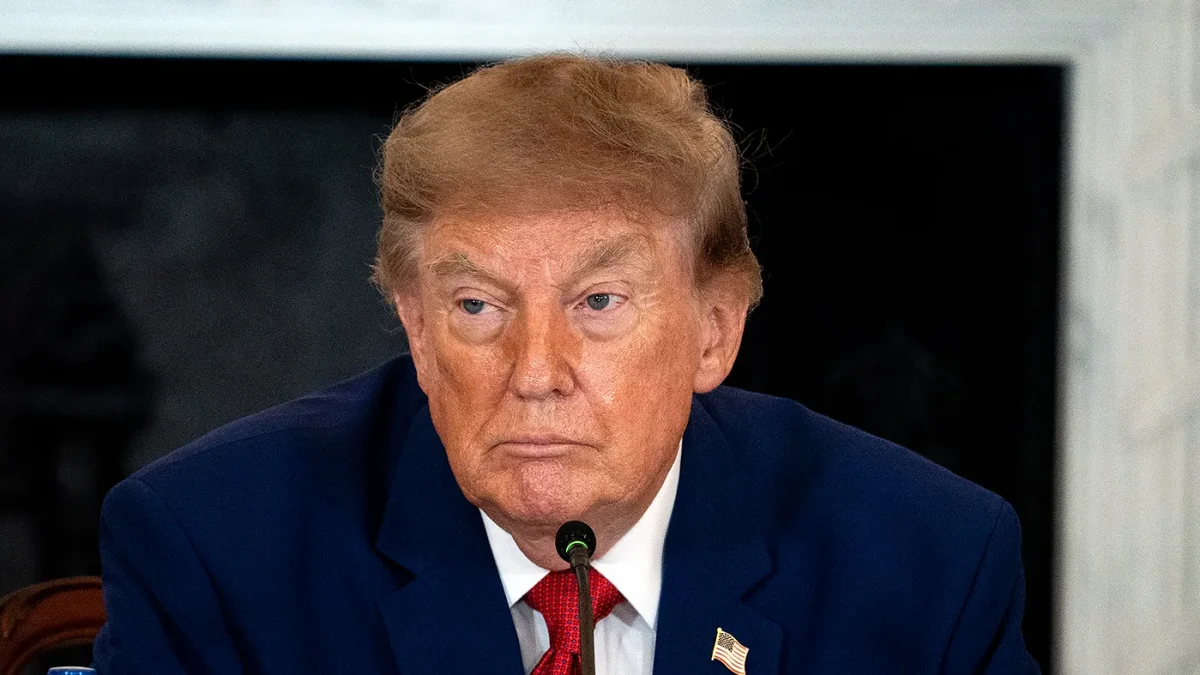
Table of Contents
Cardiologist Who Treated Cheney Questions Trump’s Health During Second Term
Provpnadvice.com – Dr. Jonathan Reiner, the physician who once served as Vice President Dick Cheney’s cardiologist, has raised concerns about President Trump’s physical condition during his current term in office. In a statement released Wednesday, Reiner noted that the president “has not looked well” at various points over the past twelve months, despite official reassurances from the White House.
Reiner, who holds a position as professor of medicine and surgery at George Washington University, shared his observations in an opinion piece published in The New York Times. His commentary draws parallels between Trump’s situation and historical precedents, highlighting how previous American leaders have sometimes concealed the true state of their health from public view.
Historical Precedents for Health Transparency
The cardiologist referenced two notable examples from American history: Presidents Grover Cleveland and Franklin D. Roosevelt, both of whom managed to keep significant health issues hidden from the public during their time in office. In contrast, Reiner characterized “Cheney’s candor about his health was an anomaly for an American politician,” suggesting that the former vice president’s openness about his medical conditions was unusual for someone in such a high position.
Reiner emphasized that while he does not serve as Trump’s personal physician, he has carefully examined the medical records that have been made available to the public. “I am not Mr. Trump’s doctor, and have only reviewed his records that have been made public. But Mr. Trump is probably the most photographed president in American history, and a variety of physical ailments are easy to see,” he wrote.
Physical Observations and Medical Concerns
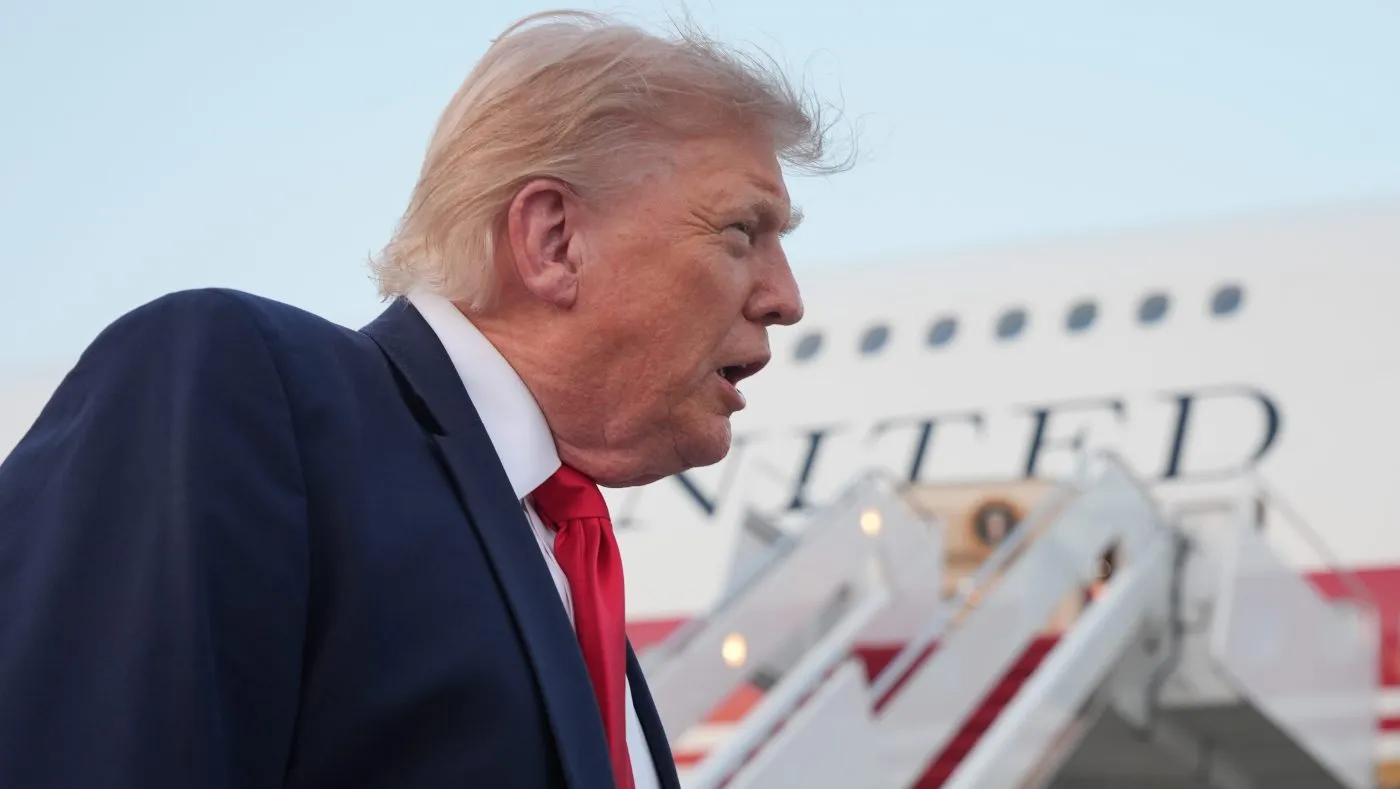
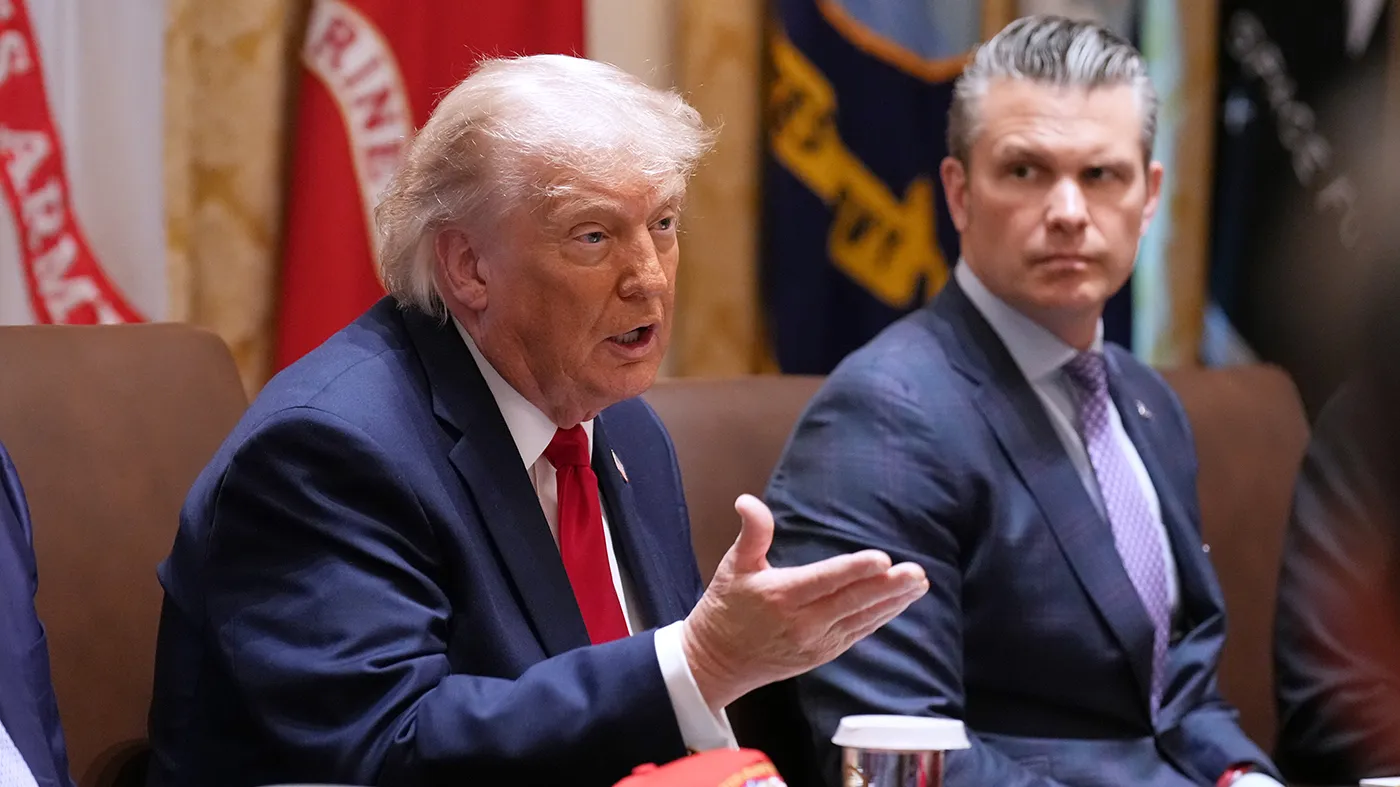
Among the specific physical signs Reiner identified were bruising on the president’s hands, noticeable swelling around his ankles, and instances where Trump appeared to close his eyes during public appearances. These observations, while seemingly minor individually, collectively contribute to Reiner’s assessment that the president’s health warrants closer attention.
The cardiologist also addressed the aspirin regimen that has drawn particular scrutiny. In a January interview with CNN, Reiner stated that Trump’s aspirin regimen “makes no sense,” noting that the president takes the medication at four times the dosage typically recommended by physicians. This elevated dosage has prompted questions about whether there are underlying cardiovascular concerns that have not been fully disclosed.
Proposed Congressional Oversight
Reiner pointed to legislation introduced by Representative Jamie Raskin of Maryland in April, which would establish a congressional panel specifically tasked with evaluating the president’s health and fitness for duty. This proposed body could investigate several questions that have emerged regarding Trump’s medical care.
Among the issues the panel might examine are: why twenty-two physicians evaluated Trump’s health in June, the reasons behind the elevated aspirin dosage, why the president underwent advanced imaging of both his heart and abdomen last October, and the frequency of cognitive testing he has received. Reiner also questioned whether “more sophisticated neurocognitive assessments performed” have been conducted beyond what has been publicly reported.
The current practice of reporting the results of a yearly medical examination for the president began in the Nixon administration, but it’s only a custom, not a formal obligation. And, as history has shown, it can be unreliable.
Security and Privacy Considerations
Reiner acknowledged that complete transparency may not always be appropriate. He noted that it is “appropriate to withhold elements of a medical history that could be exploited by an adversary,” citing the example of when Cheney’s defibrillator was replaced in 2007. At that time, Reiner explained, “we didn’t share information about a new wireless feature of the device that I considered a security threat to the vice president.”
This balance between public right to know and national security concerns becomes particularly relevant when considering the president’s role as commander-in-chief and the potential implications of medical vulnerabilities being known to foreign adversaries.
Democracy and Leadership Accountability
Reiner concluded his analysis by drawing a comparison to monarchical systems, noting that “Buckingham Palace has not revealed many details about King Charles’s cancer or his treatment.” However, he emphasized the fundamental difference in American governance: “But the United States does not have a king. In a representative democracy, the people must have confidence in the health of their leader, and in the leader’s capacity to guide the nation. We have been kept in the dark too long.”
The heightened scrutiny of Trump’s health comes at a time when the nation is already focused on the age of its leaders. Trump became the oldest person to be inaugurated at seventy-eight years old and turned eighty in June. This attention to presidential health has grown since before Trump’s second term began, with questions about former President Biden’s advanced age and cognitive health extending to Trump as well.
Despite these concerns, the White House has maintained a positive stance on the president’s condition. White House physician Capt. Sean Barbabella wrote in May that the president “remains in excellent health.” Centers for Medicare and Medicaid Services Administrator Mehmet Oz echoed this sentiment the following week, describing Trump’s medical results as “spectacular.”
As the debate over presidential health transparency continues, Reiner’s observations add weight to calls for greater openness. Whether through the proposed congressional panel or other mechanisms, the question remains whether Americans deserve more detailed information about the health of their leader—and whether the current system of voluntary reporting is sufficient for a democracy in the twenty-first century.
Related Reading
Frequently Asked Questions
What is Dick Cheney s cardiologist?
Dick Cheney s cardiologist is the main topic of this guide. The article explains the context, practical details, and next steps readers should understand.
Why does Dick Cheney s cardiologist matter?
Dick Cheney s cardiologist matters because readers are looking for a useful answer, not just a short summary. Good content should match search intent and help them decide what to do next.