Flock will add privacy guardrails to camera systems amid backlash

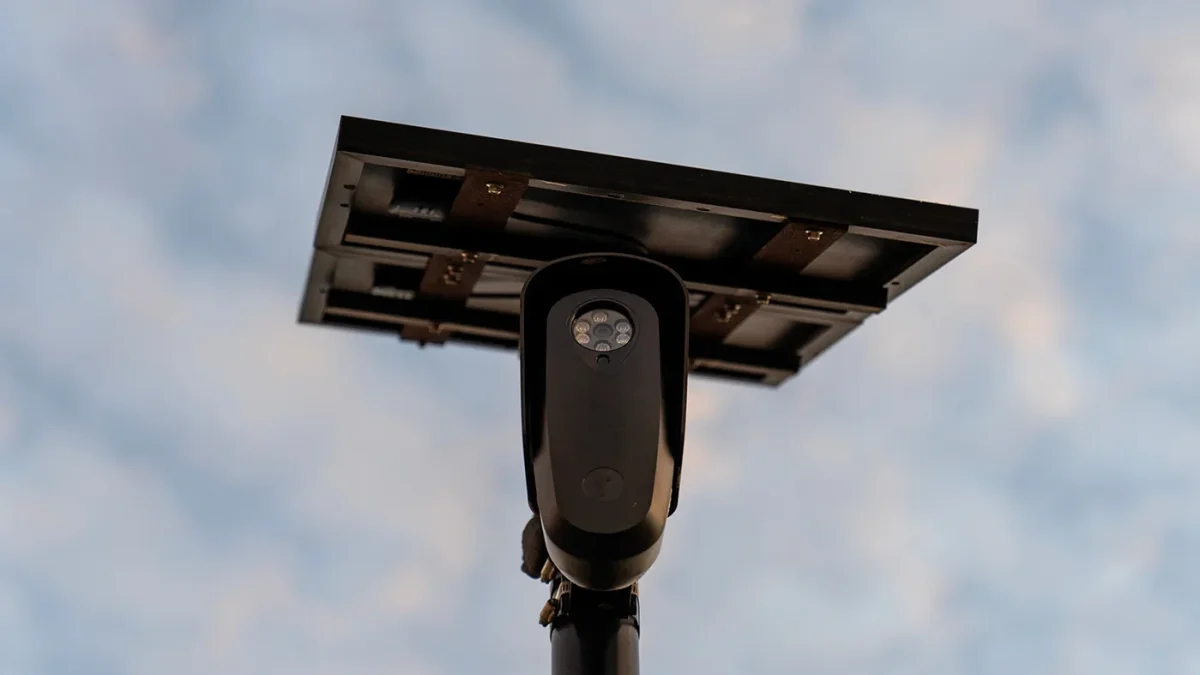
Table of Contents
Privacy Safeguards Coming to Flock’s AI Surveillance Network
Provpnadvice.com – As concerns mount over automated license plate readers being used for broad monitoring, Flock Safety is rolling out a series of policy changes designed to limit how long data is stored and who can access it. The move addresses growing public scrutiny over whether the technology could enable mass surveillance or be exploited for personal purposes by law enforcement officers.
Shortening the Data Window
Beginning this week, the company will reduce its standard data retention period from thirty days down to just seven. This adjustment means vehicle information captured by Flock’s network of cameras and sensors will remain in the company’s systems for a shorter duration before being purged. Municipalities retain the flexibility to establish their own retention timelines, provided they align with applicable state or local regulations.
The rationale behind the shorter window is straightforward: less time in storage means fewer opportunities for data to be accessed inappropriately or retained beyond its usefulness. For communities concerned about privacy, this represents a meaningful shift in how long their vehicle movement patterns remain documented.
Community Control Over Data Sharing
Another significant addition gives cities greater authority over which categories of offenses trigger data sharing with other agencies. Previously, the default approach allowed broader access across jurisdictions. Now, municipalities can specify which types of infractions warrant collaboration, creating a more targeted approach to information exchange.
This modification aims to balance two competing priorities: maintaining the collaborative network that makes Flock’s system valuable for solving crimes, while ensuring communities have meaningful input into how their data flows to other law enforcement bodies.
Understanding the Technology
Flock’s infrastructure combines multiple sensing technologies into a cohesive surveillance network. License plate readers capture alphanumeric identifiers, while video cameras document visual details including vehicle make, model, color, and even distinctive features like bumper stickers. Audio detection devices supplement the visual and textual data collection.
Importantly, the system focuses on vehicle identification rather than biometric information or facial recognition technology. This distinction matters because it separates Flock’s approach from other surveillance tools that have faced criticism for tracking individuals rather than vehicles.
Preventing Internal Misuse
Recent investigations revealed instances where law enforcement personnel potentially used Flock’s data for personal matters rather than official duties. To address this vulnerability, the company is mandating that agencies activate its “Audit Assistance” capability. This tool monitors user behavior patterns and identifies deviations that warrant closer examination by administrators.
“The goal is to intervene before misuse becomes recurring or widespread,” the company wrote in a release.
Complementing this monitoring capability is what Flock calls “proactive lockout.” When a user’s activity exceeds predefined thresholds for abnormal behavior, the system automatically suspends their access until an administrator conducts a review. This creates a safety mechanism that prevents potential misuse from continuing unchecked.
Strengthening Search Protocols
Perhaps one of the most substantive changes involves search requirements. Law enforcement officers must now provide a case code when querying Flock’s database, a requirement that was previously optional. This addition creates a paper trail linking data access to specific investigations, making it easier to track and audit individual searches.
Reactions and Criticism
The American Civil Liberties Union, which has been a vocal critic of Flock’s expansion, offered a measured but skeptical response to the announcements. The organization characterized the updates as a “thinly veiled PR attempt” designed to counter public concerns rather than demonstrate genuine commitment to addressing them.
While acknowledging that the shortened retention period “seems positive at first blush,” the ACLU noted that exceptions built into the policy could undermine its effectiveness. The organization continues to advocate for stronger safeguards against potential surveillance overreach.
Broader Implications
These changes arrive at a moment when AI-powered surveillance systems face increasing scrutiny nationwide. As cities and states debate the appropriate boundaries for automated monitoring, Flock’s adjustments reflect an industry attempting to respond to public pressure while maintaining the operational benefits of its networked approach.
The success of these privacy guardrails will depend largely on implementation consistency and transparency. Communities that previously expressed concerns about data retention and access patterns will be watching closely to see whether these policy changes translate into meaningful protections or remain largely symbolic gestures.
Related Reading
Frequently Asked Questions
What is Flock will add privacy guardrails to camera?
Flock will add privacy guardrails to camera is the main topic of this guide. The article explains the context, practical details, and next steps readers should understand.
Why does Flock will add privacy guardrails to camera matter?
Flock will add privacy guardrails to camera matters because readers are looking for a useful answer, not just a short summary. Good content should match search intent and help them decide what to do next.