Higher-income families more likely to enroll kids in organized sports: Poll

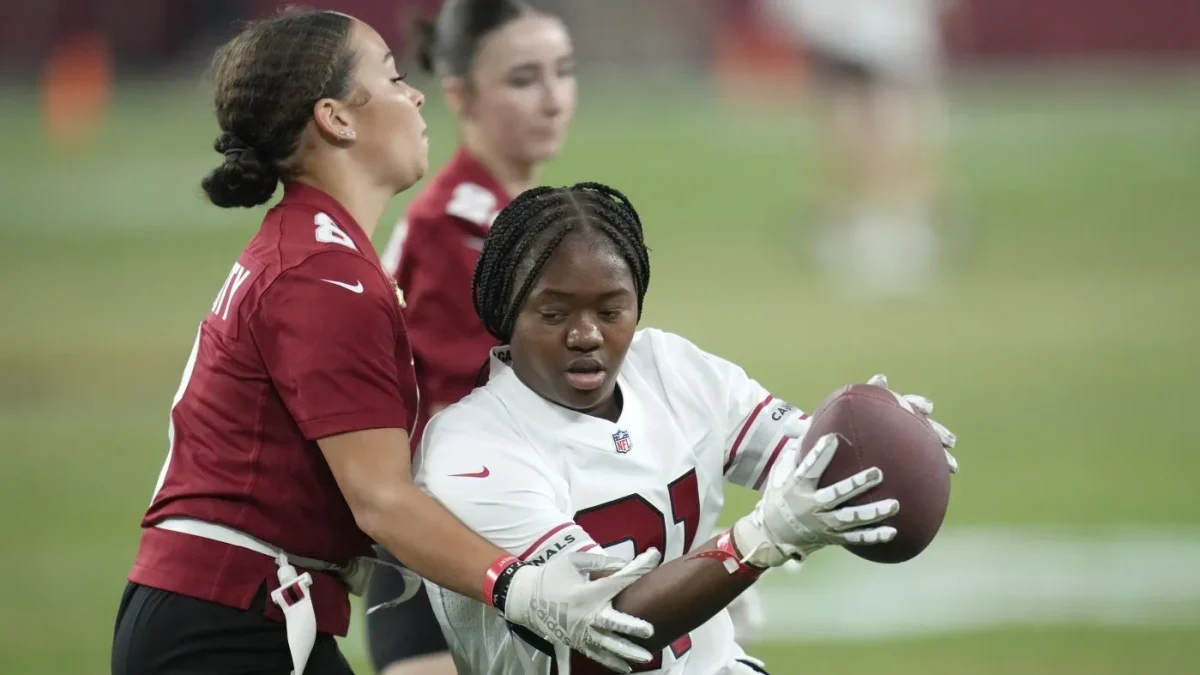
Table of Contents
Income Gap Widens in Youth Sports Participation, New Survey Reveals
Provpnadvice.com – A comprehensive national survey has uncovered that while American families universally recognize the value of organized athletics for their children, economic disparities are creating unequal access to these developmental opportunities. The research demonstrates that wealthier households are significantly more likely to enroll their children in structured sports programs, even as the financial demands of participation continue to climb across all income levels.
Participation Rates by Household Income
The data reveals a striking contrast in enrollment patterns. Approximately half of all American parents with school-aged children report that their kids participate in organized athletics. However, this figure jumps dramatically when examining household income brackets. Among families earning $100,000 or more annually, roughly seven out of ten parents confirm their children engage in structured sports. In contrast, only about four out of ten parents from lower-income households report similar participation rates. This disparity highlights a growing concern within youth athletics: while parents across all economic strata view sports participation as essential to childhood development, the out-of-pocket costs create barriers that disproportionately affect less affluent families. The financial strain is particularly acute because wealthier and lower-income sports parents tend to spend comparable amounts on their children’s athletic activities.
The Real Cost of Youth Athletics
Financial commitments extend far beyond registration fees. About two-thirds of parents with children in sports estimate annual expenditures of up to $2,000 covering equipment, competition fees, training programs, and transportation. A smaller segment—roughly two in ten families—spends between $2,000 and $5,000 annually, while only about one in ten exceeds $5,000 in yearly costs. These expenses create meaningful budgetary pressure. Kathryn Stuczynski, a 37-year-old mother from New York, explained how her family makes deliberate sacrifices to support their daughters’ athletic pursuits. Her seven-year-old and thirteen-year-old participate in karate, grappling, and wrestling. Stuczynski noted that her household regularly postpones purchasing new electronics, such as the latest iPhone or television, to ensure their children’s activities remain financially accessible.
Personal Stories of Investment and Reward
For many families, the financial commitment yields substantial personal and social returns. Tanisha Curry, a 51-year-old Ohio resident who has custody of her granddaughter, described the cumulative expenses of youth volleyball. Beyond registration fees, Curry highlighted costs for travel, uniforms, and shared meal contributions. Despite the budgetary strain, she emphasized that the benefits justify the investment. “Kids don’t go out and do things anymore,” Curry observed. “Getting them away from a screen, at least for an hour — it’s worth it.” Jon Fassnacht, a 47-year-old Pennsylvania father, witnessed similar transformative effects through his daughter’s competitive swimming journey. After initially taking swim lessons, his nine-year-old daughter developed both physical resilience and mental fortitude. Fassnacht praised the confidence-building aspects of the sport, noting how goal-setting and social interaction outside school proved invaluable for his naturally shy child. “It’s just so good for her self-esteem to have that goal setting,” Fassnacht said. “And then there’s the social aspect on top of it. She’s kind of shy, so to have these opportunities to meet new people outside of her school is big.”
Perceived Benefits Drive Continued Participation
The survey found overwhelming consensus regarding the advantages of organized sports. Nearly all American adults identified learning to handle adversity, improving physical fitness, developing teamwork skills, building friendships, reducing screen time, and understanding commitment as significant benefits for children. These perceptions are reinforced by adults’ own childhood experiences. Approximately three-quarters of adults who participated in youth sports report that athletics had a mostly positive impact on their own childhood, while six in ten believe it positively shaped their adult lives.
Common Challenges and Logistical Demands
Despite the recognized benefits, parents face substantial operational hurdles. Eight in ten respondents identified scheduling conflicts and time commitments as major or minor challenges for their households. Roughly seven in ten reported similar difficulties regarding team fees, travel requirements, and equipment or uniform expenses. The types of sports children participate in also reflect broad preferences. Soccer, basketball, and softball or baseball emerged as the most commonly played activities. Additionally, about three-quarters of sports parents reported their children had joined recreational teams, while two-thirds noted participation in school-sponsored athletics. Around half mentioned specialized youth camps or independent training, and approximately four in ten indicated involvement in travel or club teams with private instruction.
Looking Ahead: Equity in Youth Sports
The findings underscore a critical question for communities and policymakers: how can society ensure that the developmental benefits of organized sports reach children regardless of family income? With costs remaining relatively stable across income levels while participation rates diverge, the gap between who benefits from youth athletics and who is excluded continues to widen. Many parents express hope that their financial investments will eventually translate into scholarships or other opportunities, suggesting that sports participation is viewed not merely as recreation but as a pathway to future advancement. As the youth sports industry evolves, addressing these access disparities will require innovative solutions—from community-funded programs to employer-sponsored benefits—that recognize athletics as an essential component of childhood development rather than a luxury reserved for those who can afford it.
Related Reading
Frequently Asked Questions
What is Higher income families more likely to enroll?
Higher income families more likely to enroll is the main topic of this guide. The article explains the context, practical details, and next steps readers should understand.
Why does Higher income families more likely to enroll matter?
Higher income families more likely to enroll matters because readers are looking for a useful answer, not just a short summary. Good content should match search intent and help them decide what to do next.