Wes Moore: ‘I don’t know what Woke 1.0 is’

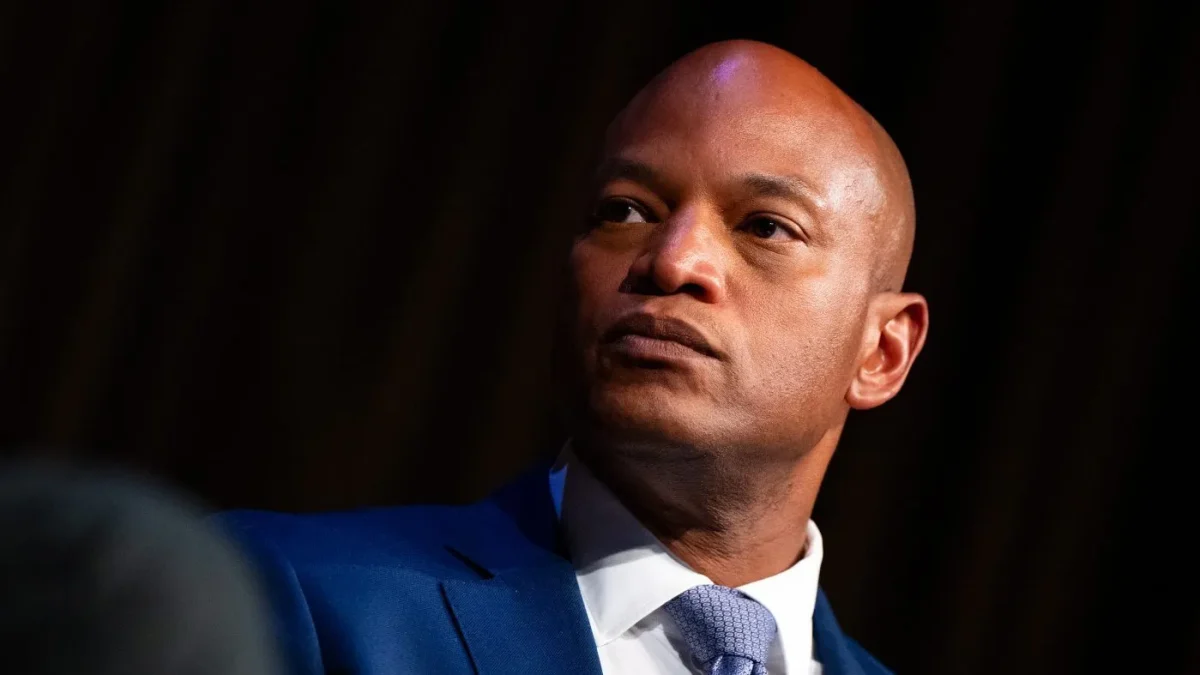
Table of Contents
Moore Addresses Democratic Party’s ‘Woke’ Evolution Amidst Shifting Rhetoric
Provpnadvice.com – Maryland’s governor has offered his perspective on the Democratic Party’s evolving relationship with progressive messaging, particularly following recent comments from a prominent New York congresswoman about what she termed “Woke 1.0.” The exchange highlights broader conversations within the party about how political language and positions have transformed over recent years.
During a Wednesday interview with CNN’s Kaitlan Collins, Governor Wes Moore was asked directly about Rep. Alexandria Ocasio-Cortez’s statement distinguishing the party’s future from what she described as an earlier wave of progressive enthusiasm. Moore’s response was characteristically straightforward.
Well, I’m going to be honest … I don’t know what Woke 1.0 is, but I can tell you how I lead in Maryland.
The governor then pivoted to discussing his administration’s approach to governance, emphasizing practical outcomes over ideological purity. Moore highlighted a documented reduction in violent crime across Maryland, crediting substantial financial commitments toward both traditional law enforcement and innovative community-based programs. He specifically mentioned investments in police officers and what his administration calls “community violence interrupters”—individuals who work directly with at-risk populations to prevent violence through mediation and support services.
I tell people, you know, we don’t govern on ideologies, we govern on results, and that’s exactly what we’re delivering.
AOC’s original comment came during an appearance on ABC News, where she was questioned about past statements from various Democratic candidates regarding police funding and prison reform. When pressed by host Jonathan Karl, the congresswoman referenced a saying from New York City Council member Chi Ossé: “Woke 1 was crazy.” The remark drew laughter from both the council member and the television host, suggesting a shared understanding of how political discourse has matured since that period.
The “Woke 1.0” designation appears to reference the heightened progressive energy of 2020 and 2021, when calls to defund police departments and abolish prisons gained significant traction among Democratic candidates and activists. AOC acknowledged that political rhetoric during the COVID-19 pandemic quarantine period reflected different circumstances than those present today.
Of course, rhetoric in that time is not rhetoric that we would use today, and I’m grateful that these candidates have the opportunity to present who they are to their electorate and what they’re campaigning on and in this moment.
Meanwhile, New York City Mayor Zohran Mamdani also weighed in on the conversation during his own Wednesday press conference. The Democratic mayor emphasized that political beliefs naturally evolve as candidates gain experience and face real-world governance challenges.
I think that each person has a responsibility to tell New Yorkers, to tell Americans, when they’re running for office what they believe, and sometimes what you believe can change and develop, it can grow.
Mamdani’s comments came amid ongoing scrutiny of his own past positions. During his mayoral campaign, the mayor faced criticism for public statements expressing support for reducing police budgets. He subsequently issued an apology to the New York City Police Department, describing his previous characterization of the force as “racist,” “wicked,” and “corrupt.” The mayor clarified his current stance on Wednesday, stating firmly that he does not support reducing police funding and views public safety as requiring collaboration across multiple city departments.
The broader implications of these exchanges extend beyond individual politicians. They reflect a Democratic Party navigating the tension between its progressive base and more moderate voters, particularly in swing districts and states. The evolution from “Woke 1.0” to what might be considered a more pragmatic approach suggests the party is attempting to balance ideological commitments with electoral realities.
For Maryland, Moore’s emphasis on results-oriented governance aligns with his administration’s broader strategy of demonstrating tangible improvements in public safety while maintaining progressive values. The reported decrease in violent crime serves as a concrete example of this approach, providing measurable evidence that his methods are working regardless of whether they fit neatly into traditional ideological categories.
As Democratic candidates continue to refine their messaging and positions, the conversation about what constitutes appropriate political rhetoric will likely remain central to party strategy. The willingness of figures like Moore, AOC, and Mamdani to acknowledge past positions while emphasizing growth and adaptation suggests a party learning from its experiences rather than simply defending them.
Related Reading
Frequently Asked Questions
What is Wes Moore?
Wes Moore is the main topic of this guide. The article explains the context, practical details, and next steps readers should understand.
Why does Wes Moore matter?
Wes Moore matters because readers are looking for a useful answer, not just a short summary. Good content should match search intent and help them decide what to do next.