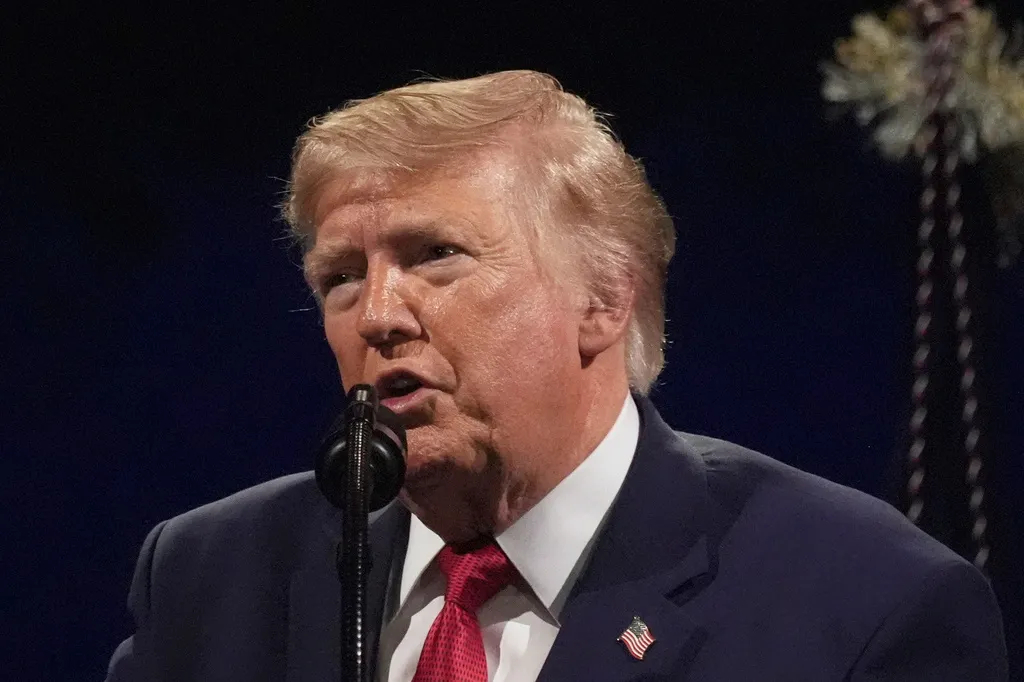
States are increasing food stamp fraud — on purpose

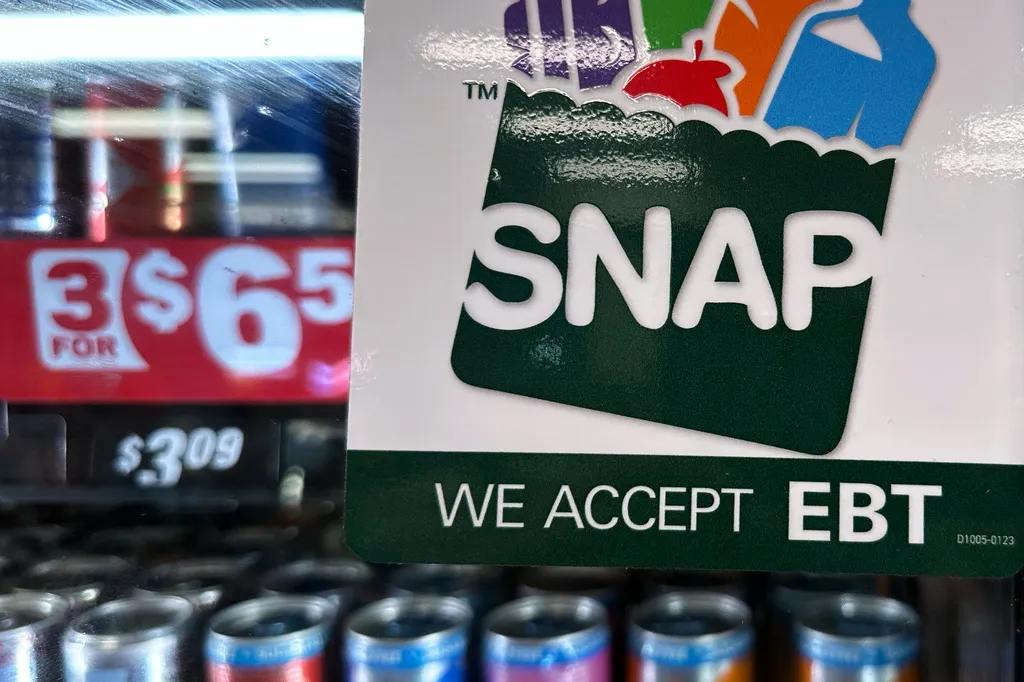
Table of Contents
States Are Gaming the System to Avoid Food Stamp Penalties
Provpnadvice.com – New Mexico has become an unlikely poster child for a growing trend among American states: deliberately maintaining high error rates in their food assistance programs to sidestep federal financial penalties. Rather than aggressively pursuing efficiency, state officials are finding ways to keep their misspending just above the threshold that would trigger costly consequences under new legislation.
The New Rules of Food Stamp Accountability
For decades, states have managed their own food stamp enrollment while the federal government covered every dollar of the program’s $100 billion annual cost. This arrangement created a moral hazard—states could allow misspending to accumulate without feeling the financial pain. That dynamic is about to change dramatically.
The One Big Beautiful Bill Act introduced what many consider the most significant reform to the Supplemental Nutrition Assistance Program in generations. Beginning in fiscal year 2028, states with error rates exceeding certain thresholds will be required to contribute up to 15 percent of their benefit costs. The potential financial exposure is substantial, running into millions or even billions of dollars for states that fail to improve their performance.
However, the legislation contains a critical exemption that has transformed the reform’s impact. States that lose more than 13.34 percent of their food stamp spending to waste, fraud, abuse, and administrative errors are exempt from penalties entirely. This seemingly minor detail has created perverse incentives across the country.
New Mexico’s Deliberate Backsliding
Niki Kozlowski, who serves as director of the Income Support Division at New Mexico’s Health Care Authority, has been transparent about her state’s approach. She openly admitted that she has no immediate plans to meaningfully address the rampant problems within the low-income nutrition program.
She described pursuing a “balancing act” to get the error rate down—specifically, balancing the need to get food stamp misspending under control with the state’s desire to avoid accountability.
The results speak for themselves. In fiscal 2024, New Mexico’s error rate stood at 14.6 percent, already placing it above the penalty threshold. Federal data released in late June revealed that the rate had climbed further to 16.8 percent in fiscal 2025. Rather than improving, the state is moving deliberately in the wrong direction.
A National Pattern of Intentional Inaction
New Mexico is far from alone in this strategy. Prior to the new legislation, Alaska, Georgia, Oregon, and Washington, D.C. all maintained error rates above 13.3 percent. Each has remained in essentially the same position, showing minimal improvement or even deterioration.
Two additional states have demonstrated clear backsliding. Delaware’s error rate increased from 11.5 percent to 14.6 percent between 2024 and 2025. Illinois experienced an even more dramatic jump, rising from 12.3 percent to 16 percent over the same period.
The pattern becomes even more striking when examining states that have successfully reduced their error rates. New Jersey provides a compelling example, with its error rate plummeting from 14.3 percent to 6.8 percent. At that trajectory, the Garden State could soon fall below the 6 percent threshold that triggers financial penalties. New York, Maryland, Massachusetts, and Florida all dropped below the 13.3 percent loophole level in 2025 as well.
The Political Calculus Behind the Delay
Even states that have achieved compliance are not celebrating. Maryland and New York sit at 13.08 percent and 13.18 percent respectively—just fractions away from the magic number. These states could easily allow misspending to increase before penalties take effect next October, earning themselves a two-year reprieve.
The political dynamics are equally important. Sen. Lisa Murkowski of Alaska secured the original carveout after her state’s staggering 60.4 percent error rate in 2023 would have triggered massive penalties. While her intention was to protect Alaska, the provision—expanded through what critics call an absurd interpretation by the Senate parliamentarian—has benefited states nationwide.
Most states, including those genuinely committed to reducing misspending, are now pushing Congress to extend or eliminate the financial penalties entirely. The Senate’s draft farm bill currently proposes only a one-year delay following Democratic demands. Many state officials are dawdling because they anticipate that penalties may be repealed once Democrats regain control of government. Why tackle fraud today if it won’t matter tomorrow?
Republicans should resist this pressure. The loophole itself should not exist, and capitulating to Democratic demands would undermine the entire purpose of the reform.
Related Reading
Frequently Asked Questions
What is States are increasing food stamp fraud?
States are increasing food stamp fraud is the main topic of this guide. The article explains the context, practical details, and next steps readers should understand.
Why does States are increasing food stamp fraud matter?
States are increasing food stamp fraud matters because readers are looking for a useful answer, not just a short summary. Good content should match search intent and help them decide what to do next.