What to know as Senate panel sets vote to hold Fauci in contempt

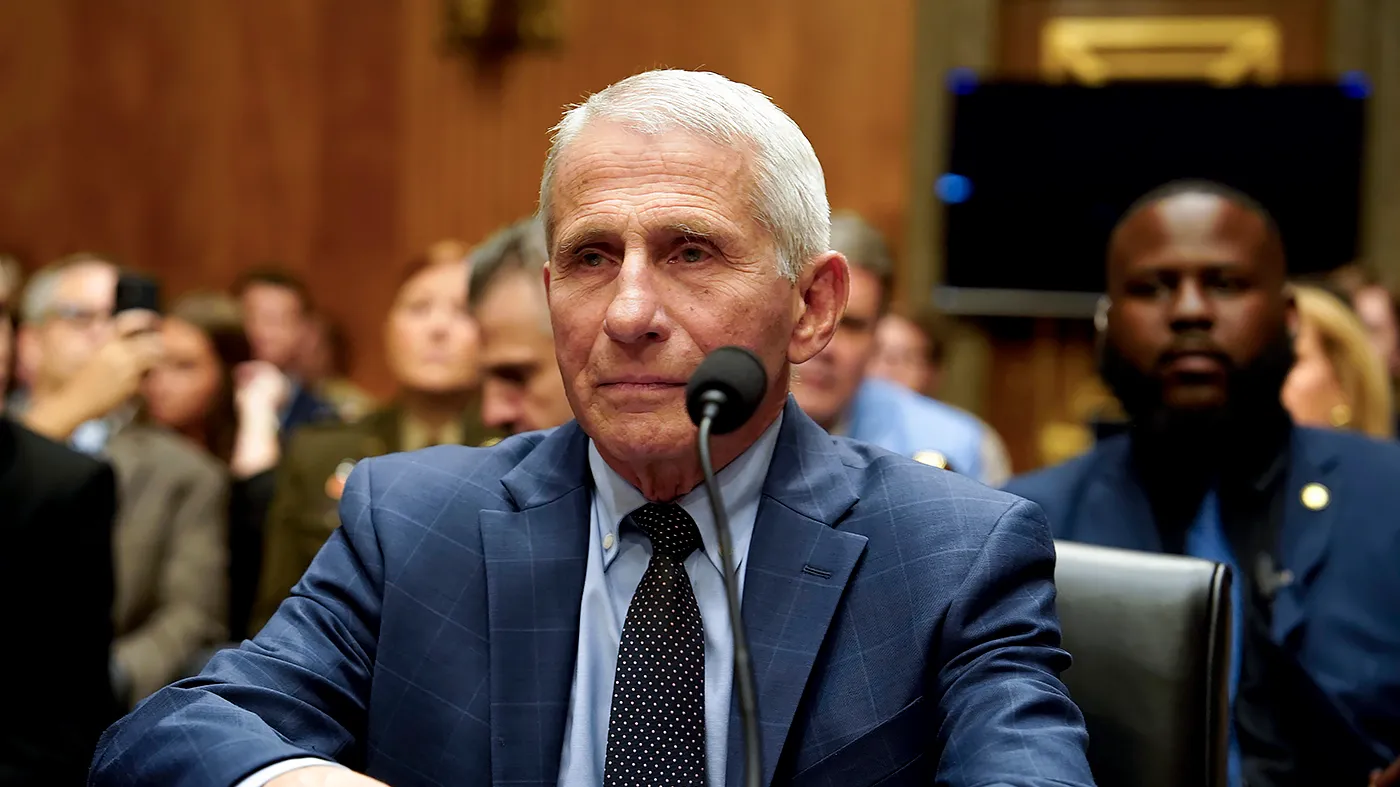
Table of Contents
Senate Panel Advances Contempt Vote Against Fauci Amid Pardon Debate
Provpnadvice.com – A significant political confrontation is unfolding in Washington as the Senate Homeland Security and Governmental Affairs Committee prepares to vote on whether to formally hold Dr. Anthony Fauci in contempt of Congress. The resolution comes just days after the former top health official steadfastly invoked his constitutional right against self-incrimination during a lengthy committee hearing, refusing to answer questions for hours on end.
The Contempt Resolution and Hearing
Committee Chair Rand Paul of Kentucky announced his intention to move forward with the contempt resolution following the three-hour session where the retired government scientist declined to respond to questions on multiple occasions. Throughout the hearing, Fauci exercised his Fifth Amendment privilege 111 times, demonstrating his determination to avoid potentially incriminating himself.
The proposed resolution would transmit the committee’s contempt findings to the United States attorney for the District of Columbia. However, the legislation also provides an alternative pathway, allowing the matter to proceed directly to a full Senate vote if deemed appropriate.
Let’s just get one thing straight. You don’t have any rights under the Fifth Amendment because you’ve been pardoned, as you very well know, as the Supreme Court has been clear for a century.
Said Senator Josh Hawley of Missouri during the hearing, referencing the landmark 1896 Supreme Court decision in Brown v. Walker. That historic ruling established that witnesses who have already received pardons cannot invoke their constitutional privilege against self-incrimination.
The Pardon Controversy
Complicating matters significantly, President Joe Biden granted Fauci a comprehensive pardon on his final day in office. This executive action covers any potential offenses committed between January 1, 2014, and January 19, 2025. Republican committee members argue this pardon effectively nullifies Fauci’s Fifth Amendment protections.
However, Fauci’s legal team maintains a different interpretation. They contend that the pardon only shields the former health official from federal prosecution, leaving him vulnerable to state-level charges. This distinction proves crucial to understanding why Fauci continues to assert his constitutional rights despite the presidential pardon.
Chairman Paul’s public crusade against Dr. Fauci can only be described as an obsessive vendetta. It triggers what the Supreme Court has called a ‘basic function’ of the Fifth Amendment – ‘to protect innocent men …’ who otherwise might be ensnared by ambiguous circumstances.
Fauci’s attorneys articulated this position in a formal statement, further noting that Paul’s stated goal of securing imprisonment for Fauci contradicts his claims that the former official should testify without fear of legal consequences.
Legal and Political Implications
Democratic lawmakers have rallied behind Fauci’s position. Senator Gary Peters of Michigan, the committee’s ranking member, wrote to colleagues emphasizing that federal pardons do not automatically eliminate Fifth Amendment protections when individuals still face genuine risks of prosecution at either the federal or state level.
Peters clarified that the Hawley case involved a witness who received full immunity prior to testifying, a different scenario than Fauci’s situation. Meanwhile, Florida Attorney General James Uthmeier has opened a separate investigation, adding another layer of potential legal exposure for the former NIH director.
He’s taking the Fifth Amendment. He has a justifiable fear of self-incrimination when the chairman of the committee has said more than 300 times this year alone, he wants to put Dr. Fauci behind bars.
Said Senator Richard Blumenthal of Connecticut, a former U.S. attorney and state attorney general himself. Blumenthal characterized the pardon argument as a misconception, noting that the executive action addresses conduct occurring before the Trump administration began.
What Comes Next
Standard procedure dictates that any criminal referral emerging from committee typically advances to the full Senate floor for consideration. Yet Paul retains the flexibility to send the Justice Department a direct criminal referral based on the contempt vote outcome.
This development mirrors actions recently taken by House Judiciary Committee Chair Jim Jordan of Ohio, who similarly requested the Department of Justice examine potential contempt violations. The political ramifications extend beyond Fauci himself, potentially reshaping how future congressional investigations approach witnesses who invoke constitutional protections.
The outcome of this vote will signal not only the level of Republican commitment to pursuing Fauci but also the broader trajectory of congressional oversight mechanisms. Legal scholars note that the intersection of pardons, Fifth Amendment rights, and congressional contempt creates an unprecedented testing ground for constitutional interpretation in modern American governance.
Related Reading
Frequently Asked Questions
What is What to know as Senate panel?
What to know as Senate panel is the main topic of this guide. The article explains the context, practical details, and next steps readers should understand.
Why does What to know as Senate panel matter?
What to know as Senate panel matters because readers are looking for a useful answer, not just a short summary. Good content should match search intent and help them decide what to do next.