Stephen Curry’s deal with a Chinese company puts profit over conscience

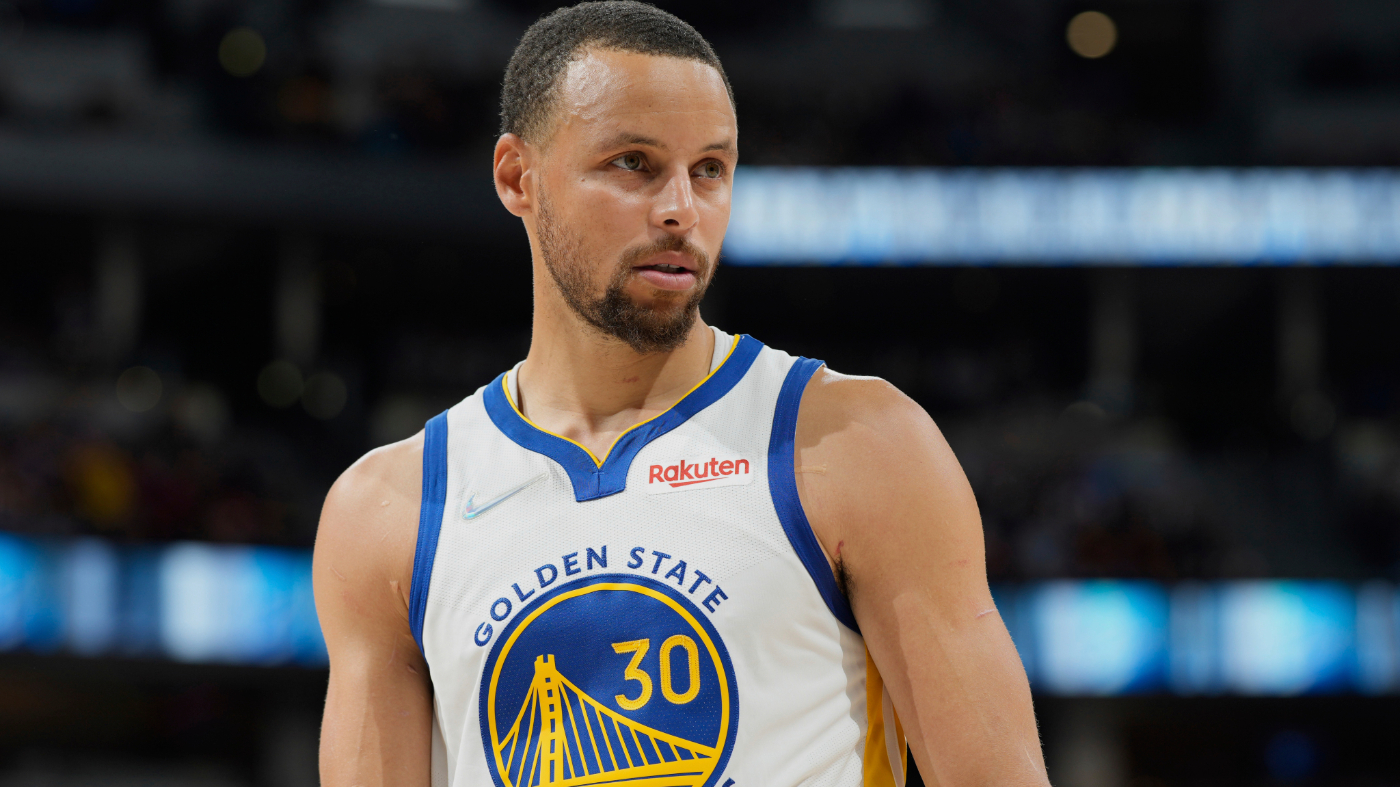
Table of Contents
A Champion’s Choice: Curry’s Li-Ning Deal Under Scrutiny
Provpnadvice.com – The NBA Finals in June typically celebrate athletic achievement and the uplifting power of sport. Yet Stephen Curry’s recent commercial agreement with Li-Ning suggests a different narrative entirely. The Golden State Warriors star has committed to a Chinese sportswear manufacturer that faces mounting criticism regarding forced labor practices. The ethical implications of partnering with Communist China are no longer hidden from public view.
More Than a Basketball Star
What disappoints many observers is that Curry represents something beyond his on-court abilities. His reputation extends across the globe, built upon perceived integrity and thoughtful decision-making. When an athlete of his stature enters into what has been reported as a decade-long, four-hundred-million-dollar arrangement with Li-Ning, the implications stretch far beyond marketing. He is attaching his personal brand to an organization entangled in one of the most significant human rights controversies of recent decades.
At their finest, sports transcend mere entertainment. They transform temporary celebrity into lasting purpose. They demonstrate that physical accomplishment and ethical awareness can coexist. This principle explains why Curry’s choice carries such weight. Greater visibility brings greater accountability.
Documented Concerns About Xinjiang
The concerns surrounding this partnership are well-founded. According to the U.S. Department of Labor, beginning in 2016, the Chinese Communist Party has subjected Uyghur Muslims and other predominantly Muslim populations in the Xinjiang region to what it characterizes as genocide, forced labor programs, and crimes against humanity. The department has documented systematic labor transfers, monitoring systems, ideological education, and coercive employment conditions as components of a comprehensive control apparatus.
These are not careless accusations. They are specific charges documented by the U.S. government and corroborated by international investigators.
Legislative action followed these findings. Congress enacted the Uyghur Forced Labor Prevention Act, creating a legal framework that presumes products manufactured entirely or partially in Xinjiang, or by designated organizations, utilize forced labor. Such goods face import restrictions into the United States unless clear evidence demonstrates otherwise. This legislation reflects American values regarding human dignity.
Warning Signs Were Already Present
Curry’s decision came despite existing red flags. American authorities prohibited Li-Ning products within U.S. borders in 2022. Representative Chris Smith from New Jersey has indicated intentions to request that the Department of Homeland Security investigate Li-Ning’s import operations following this endorsement agreement. An organization operating under such scrutiny represents more than a standard commercial entity—it serves as a measure of whether prominence and prosperity remain connected to moral principles.
Cultural leaders in recent years have demonstrated inconsistent moral positioning. They readily champion causes when targets are familiar and consequences minimal. However, they grow cautious when addressing the Chinese Communist Party, particularly when substantial markets are involved.
This inconsistency differs from genuine courage. It resembles compromise dressed in respectable clothing.
A Call for Consistent Conscience
The athletic community offers stronger precedents. The Women’s Tennis Association’s withdrawal of tournaments from China demonstrated institutional commitment to human rights principles. Both authors have previously urged the NBA and other professional organizations to exhibit comparable determination. Many athletes, leagues, and corporate sponsors express strong opinions about justice domestically while remaining quiet regarding Beijing’s actions.
The underlying message remains consistent across all situations: Organizations claiming moral authority must accept the consequences when their values require sacrifice.
Every prominent athlete comprehends endorsement relationships. Commercial success depends upon public confidence. When a celebrated figure transfers that confidence to a corporation connected to Chinese forced labor, that confidence becomes diminished. Athletes cannot attach their names to such arrangements while claiming indifference to their implications.
The NBA warrants better circumstances. Its supporters deserve better. So do those whose hardships frequently receive secondary consideration in global commerce. Basketball retains potential as a platform for excellence, yet excellence requires moral foundation to endure.
Ambassador Sam Brownback serves as former U.S. ambassador-at-large for international religious freedom and wrote “China’s War on Faith.” Enes Kanter Freedom previously played in the NBA, advocates for human rights, and authored a New York Times bestselling work, most recently competing for the Boston Celtics.
Related Reading
Frequently Asked Questions
What is Stephen Curry s deal with a Chinese?
Stephen Curry s deal with a Chinese is the main topic of this guide. The article explains the context, practical details, and next steps readers should understand.
Why does Stephen Curry s deal with a Chinese matter?
Stephen Curry s deal with a Chinese matters because readers are looking for a useful answer, not just a short summary. Good content should match search intent and help them decide what to do next.