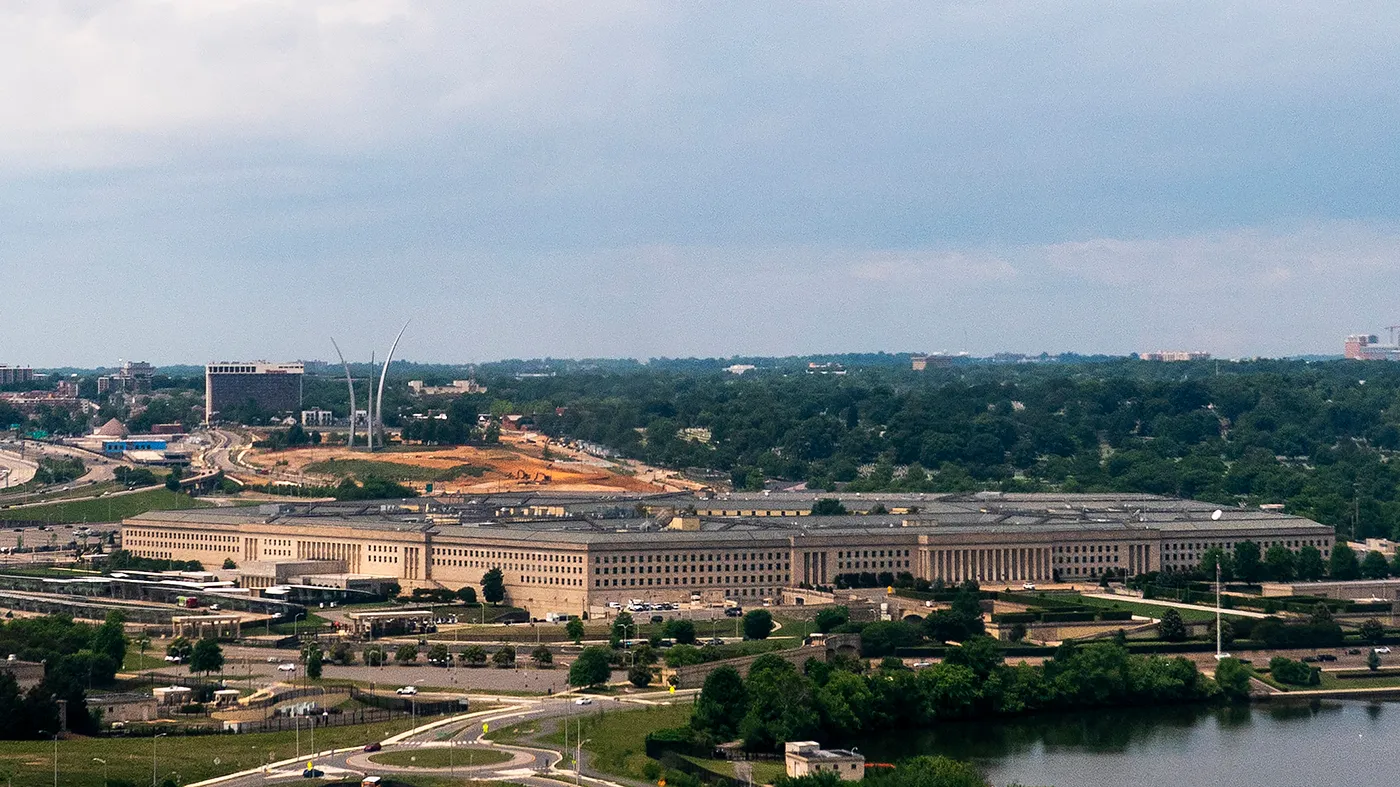
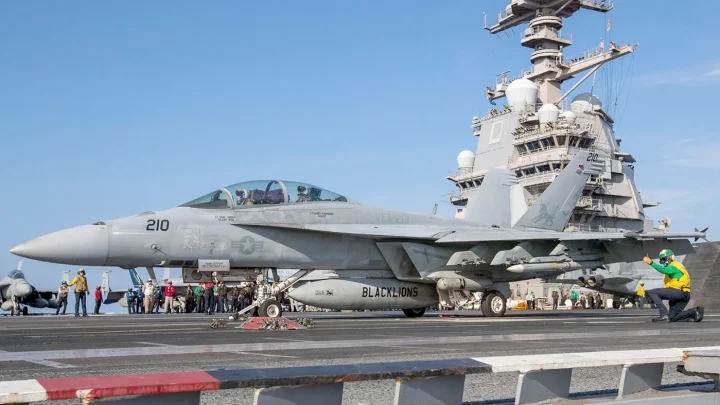
Lockheed Martin wins $58.6B contract to produce Patriot interceptors

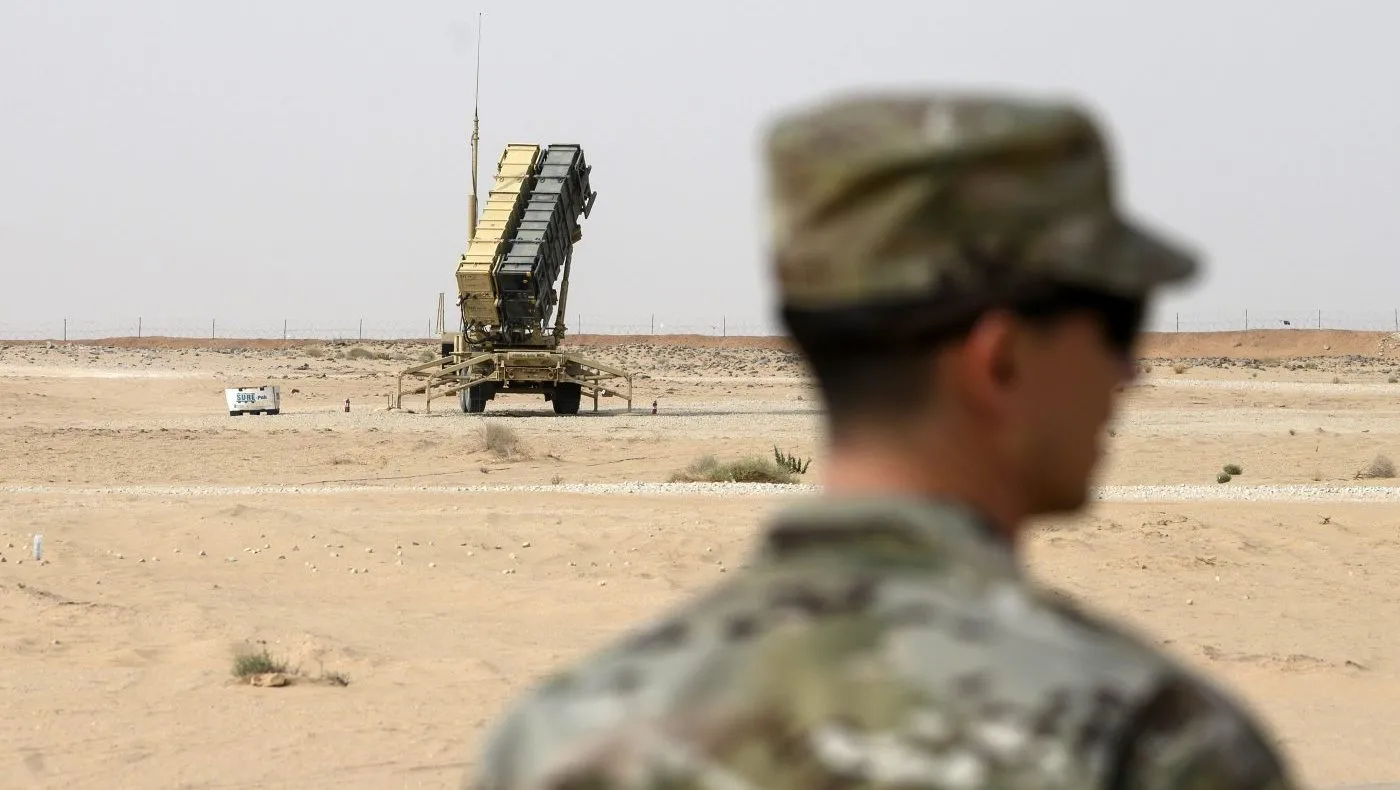
Table of Contents
Lockheed Martin Secures Massive $58.6 Billion Patriot Missile Production Agreement
Provpnadvice.com – The United States Army has formally granted Lockheed Martin a comprehensive seven-year agreement valued at approximately $58.6 billion. This substantial financial commitment aims to accelerate the manufacturing of Patriot interceptor missiles, addressing the urgent need to restore depleted American ammunition reserves. The contract represents a significant investment in maintaining military readiness amid ongoing regional conflicts.
Contract Evolution and Extended Timeline
Officially announced on Wednesday, this new arrangement transforms an earlier twelve-month agreement that Lockheed received in April for $4.7 billion. The expanded scope ensures that American armed forces will benefit from consistent deliveries of Patriot interceptors extending through the year 2032, according to Army officials. This extended timeline provides stability for both the defense contractor and military procurement planning.
The dramatic increase in contract value reflects the scale of ammunition depletion experienced during recent hostilities. Military strategists recognized that maintaining adequate interceptor stocks would require not just immediate production increases, but sustained manufacturing capacity over multiple years.
Stockpile Depletion During Regional Conflicts
Before the outbreak of hostilities with Iran, the United States maintained 2,330 Patriot interceptors in its inventory. However, intensive usage during the conflict reduced this number by more than fifty percent before Washington and Tehran reached a ceasefire agreement in April. Continued fighting has further diminished these reserves, with the Center for Strategic and International Studies estimating current stockpiles between 759 and 827 interceptors.
This depletion rate underscores the intensity of air defense operations conducted during the conflict. Each interceptor represents a significant financial and strategic asset, making conservation measures increasingly important as stocks continue to decline.
Broader Munitions Strain Across Multiple Theaters
The Iran conflict has not operated in isolation from other global military engagements. Russia’s ongoing war in Ukraine has simultaneously placed additional pressure on American munitions supplies. Beyond Patriot interceptors, several other critical weapon systems face supply challenges.
Tomahawk cruise missiles and Terminal High Altitude Area Defense interceptors represent two additional categories experiencing strain. The Pentagon has identified THAAD systems as particularly vulnerable, with plans to address this through a separate potential $35 billion contract awarded to Lockheed Martin in June. This parallel procurement strategy demonstrates the military’s comprehensive approach to replenishing multiple weapon categories simultaneously.
Contract Structure and Congressional Dependencies
Both the Patriot and THAAD agreements carry “undefinitized” status, creating specific financial and procedural implications. This designation means that full funding cannot be immediately secured, and Lockheed Martin must await Congressional approval before receiving final contractual agreements. This process introduces potential delays but also provides legislative oversight for these substantial expenditures.
Administrative Push for Production Acceleration
The Trump administration has actively encouraged major defense contractors to increase their manufacturing output. Corporate leaders from these companies participated in White House meetings during both March and June, working collaboratively to establish more efficient weapons production pipelines. These high-level discussions reflect the administration’s priority of strengthening domestic defense manufacturing capabilities.
Strategic Conservation Measures and Casualty Impact
U.S. military commanders have implemented innovative conservation strategies since the Iran conflict began. When incoming Iranian drones and missiles are assessed as unlikely to cause significant damage to American troops, regional facilities, or allied forces, commanders have authorized allowing these threats to pass through defensive systems. This approach preserves valuable interceptors for more critical engagements.
However, this strategy carries inherent risks. Iranian attacks occasionally penetrate defenses and inflict casualties. On July 17, a strike resulted in the deaths of three U.S. service members in Jordan. The following day, an American soldier died in Iraq during a controlled detonation of an Iranian drone. In total, at least eighteen military personnel have been killed throughout the conflict, highlighting the human cost of these engagements.
The combination of depleted stockpiles, ongoing regional threats, and the need for sustained production capacity positions this Lockheed Martin contract as a cornerstone of American defense strategy for the coming decade.
Related Reading
Frequently Asked Questions
What is Lockheed Martin wins 58 6B contract?
Lockheed Martin wins 58 6B contract is the main topic of this guide. The article explains the context, practical details, and next steps readers should understand.
Why does Lockheed Martin wins 58 6B contract matter?
Lockheed Martin wins 58 6B contract matters because readers are looking for a useful answer, not just a short summary. Good content should match search intent and help them decide what to do next.