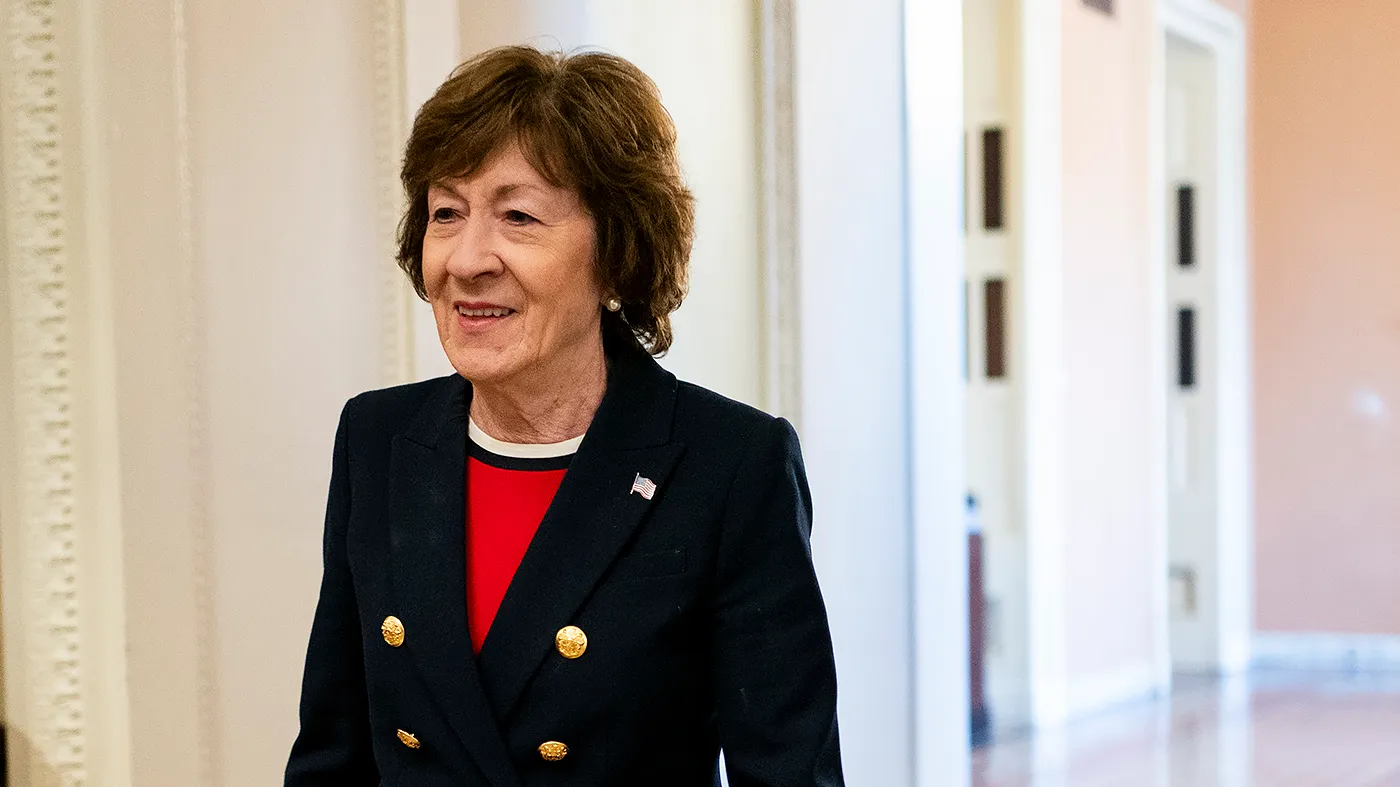
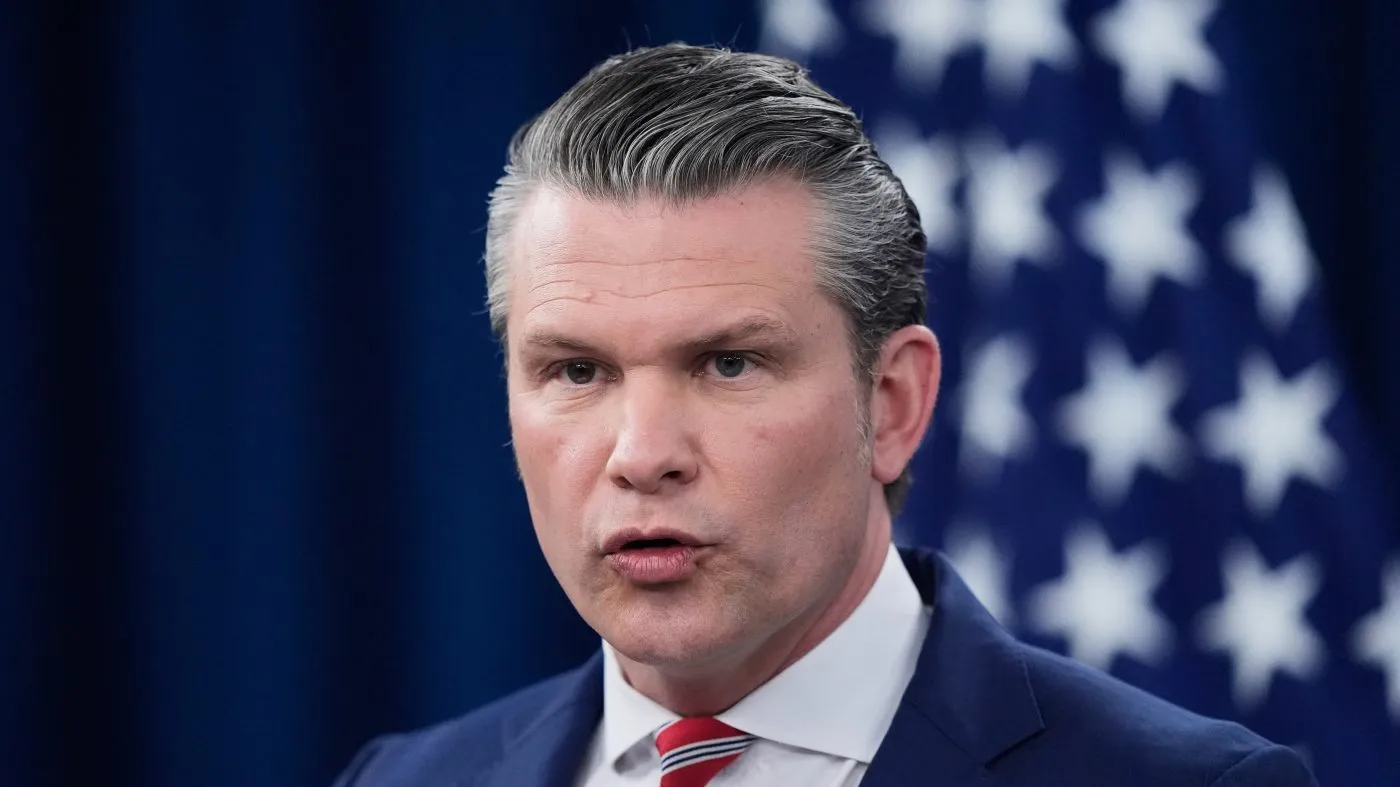
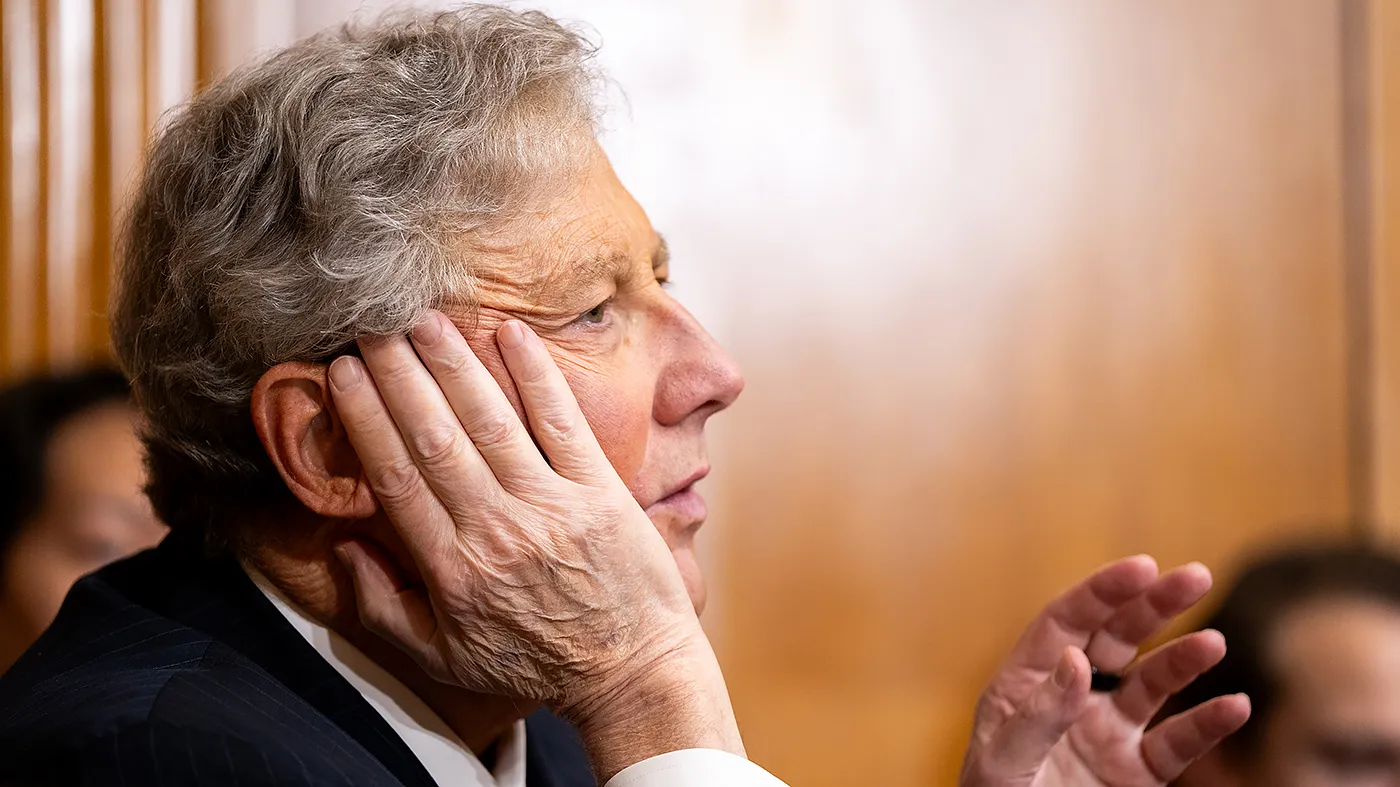
Senate confirms Jay Clayton as director of national intelligence

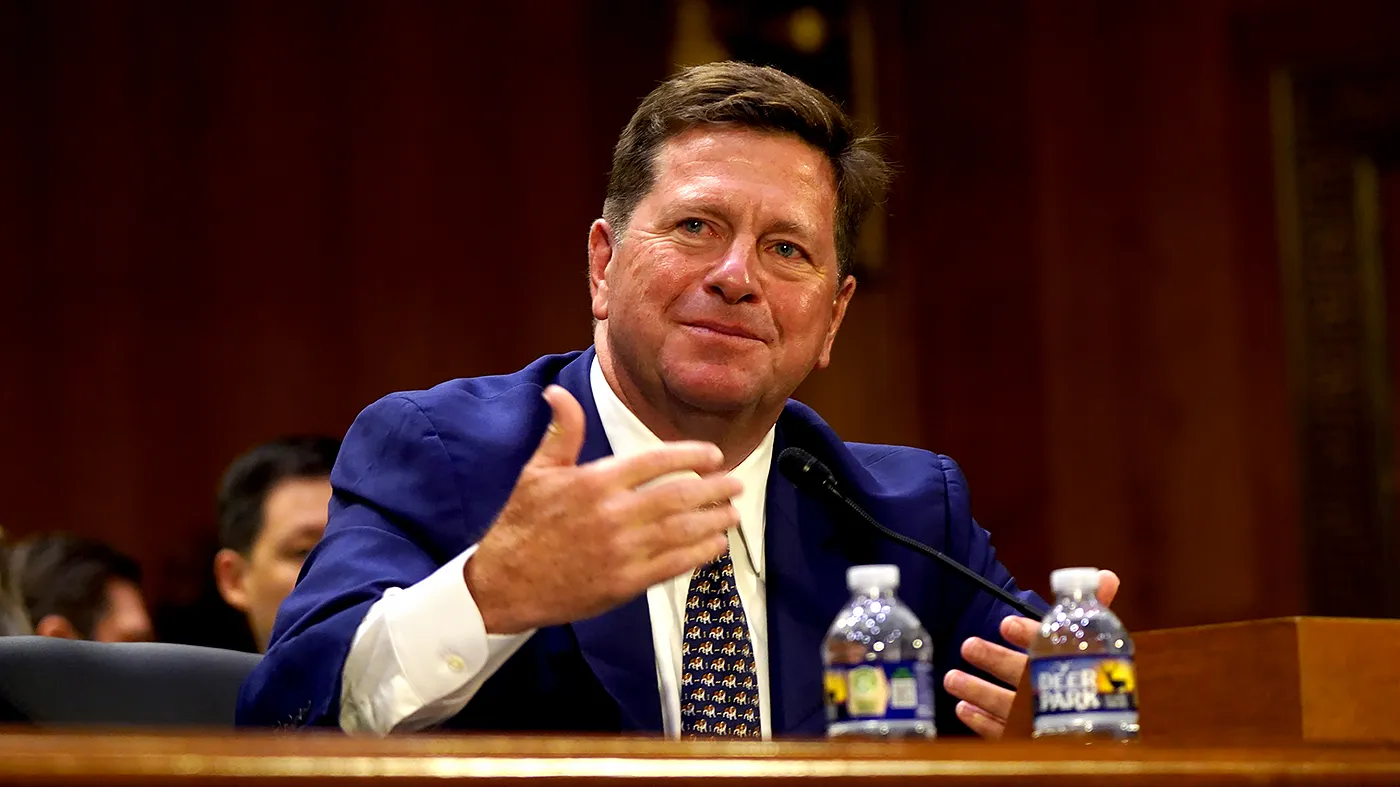
Table of Contents
Clayton Nominated to Lead U.S. Intelligence Community in Partisan Confirmation
Provpnadvice.com – The United States Senate moved forward with its intelligence leadership on Tuesday, confirming Jay Clayton as the new director of national intelligence through a closely divided 51-47 vote that followed strict party lines. This confirmation may breathe new life into ongoing discussions about extending the country’s warrantless surveillance authorities, which have faced considerable political headwinds.
Clayton currently serves as a U.S. attorney and previously held the position of Securities and Exchange Commission chair during the initial Trump presidency. While his resume demonstrates substantial legal and regulatory experience, he brings comparatively limited foreign policy credentials to the Office of the Director of National Intelligence compared to several of his predecessors in the role.
Building Support Across the Aisle
Despite questions about his background, Clayton garnered appreciation from legislators on both sides of the political spectrum. Many viewed him as a stronger candidate than Bill Pulte, the acting DNI who has drawn attention for implementing five separate waves of workforce reductions within a single month of his tenure.
In his new capacity, Clayton will manage coordination efforts across eighteen separate intelligence organizations and deliver a comprehensive daily briefing to the president. His appointment arrives as the Trump administration intensifies efforts to make additional classified materials from the 2020 presidential election publicly available, a move that has generated concern among Democratic lawmakers.
Election Questions Surface During Hearings
During confirmation proceedings earlier this month, Democratic senators focused considerable attention on Clayton’s positions regarding the 2020 election results. When questioned directly, Clayton told the committee, “I’m not an election denier.” However, he also emphasized multiple times that Joe Biden was “certified” as the victor, phrasing that several Democratic congressmen interpreted as avoiding acknowledgment that Biden actually won the electoral contest.
Senator Adam Schiff of California expressed strong reservations in a public statement following the confirmation vote. Schiff argued that Clayton’s limited national security background and his election-related responses represented significant shortcomings.
When the position of the DNI was created by Congress after the 9/11 attacks, the law laid out a simple qualification for the position: that the DNI ‘shall have extensive national security expertise.’ Jay Clayton fails that foundational, statutory test.
Schiff continued his criticism, suggesting that Clayton’s reluctance to provide straightforward answers about the election outcome raised concerns about his ability to maintain independence from political pressures.
Not only does Jay Clayton lack the expertise to lead the Intelligence Community, but he has also shown an unwillingness to speak truth to power – an essential prerequisite for any intelligence professional. If he cannot give Congress an honest answer about who won the 2020 election, how can we trust Clayton to prevent politicization of our intelligence agencies or provide objective analysis to the President, especially if that analysis conflicts with a false, but preferred narrative of the Commander in Chief?
Republican Backing and FISA Implications
Republican senators unanimously supported Clayton’s nomination. Senate Majority Leader John Thune of South Dakota emphasized the importance of having experienced leadership during a period of increased global threats.
Thune pointed out that Democratic senators, including Mark Warner of Virginia, the ranking member of the Senate Intelligence Committee, had previously commended Clayton’s public service record. He also criticized Democratic opposition to Clayton, suggesting it stemmed from their dissatisfaction with acting DNI Pulte rather than Clayton himself. This opposition contributed to Democrats’ refusal to extend Section 702 of the Foreign Intelligence Surveillance Act, which permits surveillance of foreign nationals abroad and has been inactive since its expiration on June 12.
We will have a permanent director of national intelligence in place shortly. And I hope this will encourage my colleagues to stop blocking the reauthorization of the Foreign Intelligence Surveillance Act.
Additional Controversies
Clayton has also faced scrutiny for his role in issuing subpoenas to New York Times reporters investigating concerns about the safety of an aircraft gifted to President Trump by Qatar. The Justice Department subsequently agreed to withdraw these subpoenas after a federal judge expressed serious doubts about the government’s methodology.
Furthermore, approximately 400 former intelligence community members organized under The Steady State issued a formal letter opposing Clayton’s nomination. Steven A. Cash, the group’s leader, warned that democratic nations have historically struggled when their intelligence apparatus transforms from serving the public interest into advancing personal and political agendas.
Throughout history, democratic governments have failed when intelligence services, law enforcement agencies, and internal security organizations cease to serve the nation and instead become instruments of personal loyalty and political power. Jay Clayton’s nomination to be Director of National Intelligence presents precisely that danger and is the central issue of our opposition.
As Clayton prepares to assume his duties, he must navigate both the technical challenges of coordinating America’s intelligence community and the political complexities surrounding his confirmation while addressing ongoing debates about surveillance authority and election integrity.
Related Reading
Frequently Asked Questions
What is Senate confirms Jay Clayton as director?
Senate confirms Jay Clayton as director is the main topic of this guide. The article explains the context, practical details, and next steps readers should understand.
Why does Senate confirms Jay Clayton as director matter?
Senate confirms Jay Clayton as director matters because readers are looking for a useful answer, not just a short summary. Good content should match search intent and help them decide what to do next.