Sen. Kennedy says Trump likes daily strikes on Iran: ‘Sometimes you have to kill a few chickens to scare the monkeys’

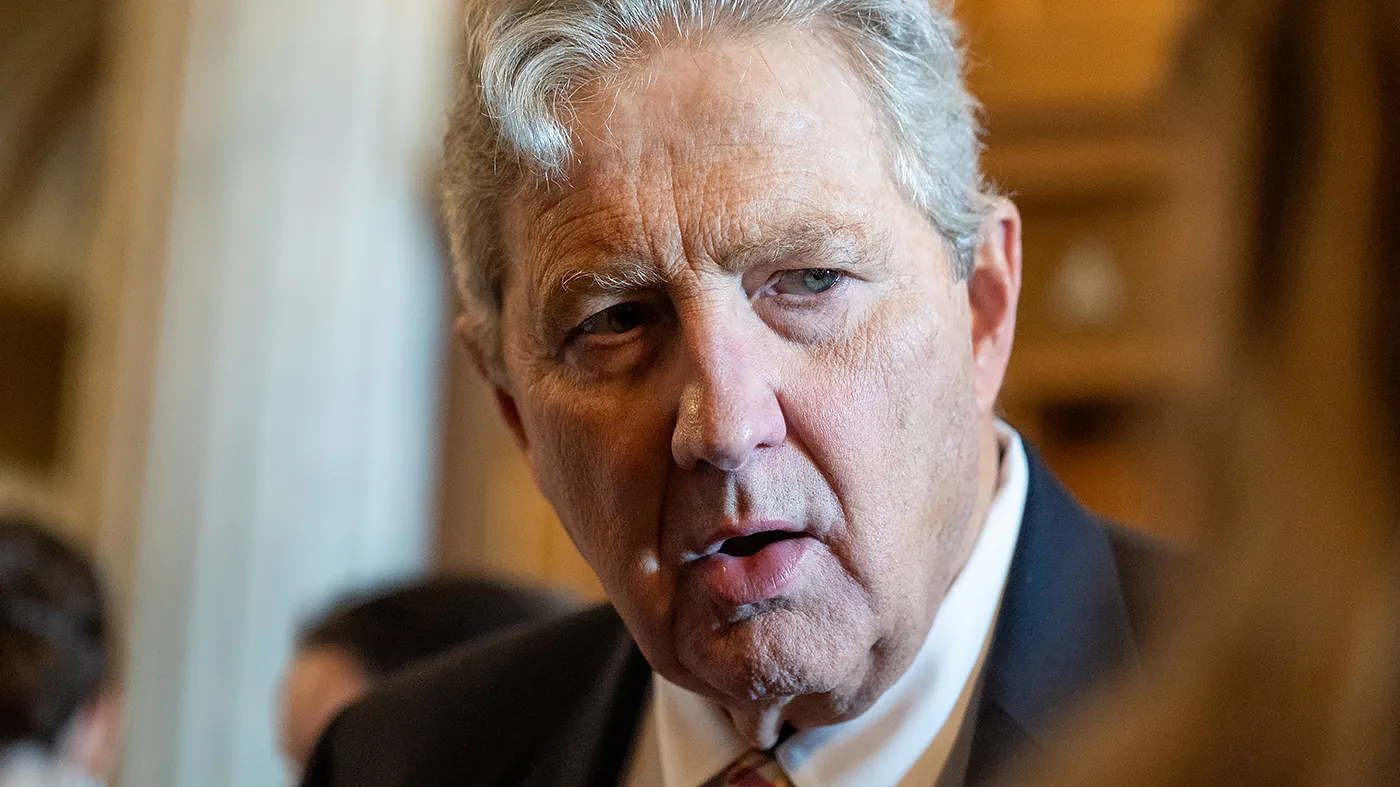
Table of Contents
Sen Kennedy Says Trump Likes Daily Iran Strikes
Provpnadvice.com – Sen Kennedy says Trump likes the idea of daily military strikes against Iran, according to Senator John Kennedy’s recent television appearance. The Louisiana Republican expressed strong support for maintaining pressure on Tehran through consistent aerial bombardment. U.S. forces have been conducting nearly daily operations targeting Iranian infrastructure, with only a brief weekend pause after two weeks of sustained attacks.
Trump’s Approach to Military Action
During his appearance on CBS News’s “Face the Nation,” Kennedy discussed the administration’s strategy with host Margaret Brennan. He highlighted that President Trump particularly favors the daily strike schedule as a way to demonstrate American resolve. Kennedy quoted the president’s memorable analogy: “Sometimes you have to kill a few chickens to scare the monkeys.” This approach reflects the administration’s belief that visible, consistent action sends the right message to adversaries.
The senator also emphasized the importance of maintaining the maritime blockade while intensifying attacks on strategic locations. Kennedy specifically mentioned Pickaxe Mountain as a key target, noting that reaching deeper facilities beneath this mountainous region would provide significant strategic advantages for U.S. forces.
Characterizing Iran’s Leadership
Kennedy offered his assessment of Iran’s current leadership, comparing them to well-known American figures. He likened Iranian officials to both the Son of Sam serial killer and Charles Manson, describing them as “more than mildly insane.” This characterization suggests Kennedy believes Iran’s decision-making lacks rational foundations.
Despite these harsh comparisons, Kennedy cautioned against complete disengagement. He argued that the United States must stay committed to achieving its objectives rather than simply withdrawing. The senator stressed that American endurance through potential economic challenges would be essential for long-term success in the region.
“If we can stand the pain of the rising cost of energy, we need to stay the course,” Kennedy stated. “At least for a few more months. I also don’t think we need to send in troops. That’s my opinion, for what it’s worth.”
Political and Economic Considerations
The renewed hostilities began earlier this month, marking a departure from an interim agreement that had promised reduced gasoline prices and eased economic sanctions. Since coordinated strikes launched on February 28 involving both American and Israeli forces, public opinion has remained largely unfavorable toward the military engagement.
Political analysts warn that the ongoing conflict could affect Republican voter turnout during the upcoming fall midterm elections. This electoral dimension adds complexity to decisions about the duration and scope of military operations. Meanwhile, diplomatic efforts continue, though the Trump administration has downplayed their significance.
FAQ: Understanding the Iran Situation
What is Senator Kennedy’s position on sending troops to Iran? Sen Kennedy says Trump likes the current approach without additional ground forces. Kennedy explicitly stated he does not believe troop deployment is necessary at this time.
How long does Kennedy suggest maintaining the current strategy? The Louisiana senator recommended staying the course for at least a few more months, allowing time for economic pressures to potentially bring Iran to negotiations.
What economic concerns are associated with the conflict? Rising energy costs represent a significant challenge. Kennedy acknowledged that Americans must be willing to endure these costs while maintaining pressure on Tehran.
How does Kennedy view Iran’s leadership? Kennedy characterized Iranian officials as irrational, comparing them to the Son of Sam and Charles Manson. He described them as “more than mildly insane” in their decision-making.
What diplomatic approach is the Trump administration taking? Secretary of State Marco Rubio described the American strategy as “a head for an eye,” contrasting with Iran’s “eye for an eye” approach. However, the administration has minimized the importance of ongoing negotiations.