DSA co-chair: ‘Establishment Democrats should be worried about the voters’

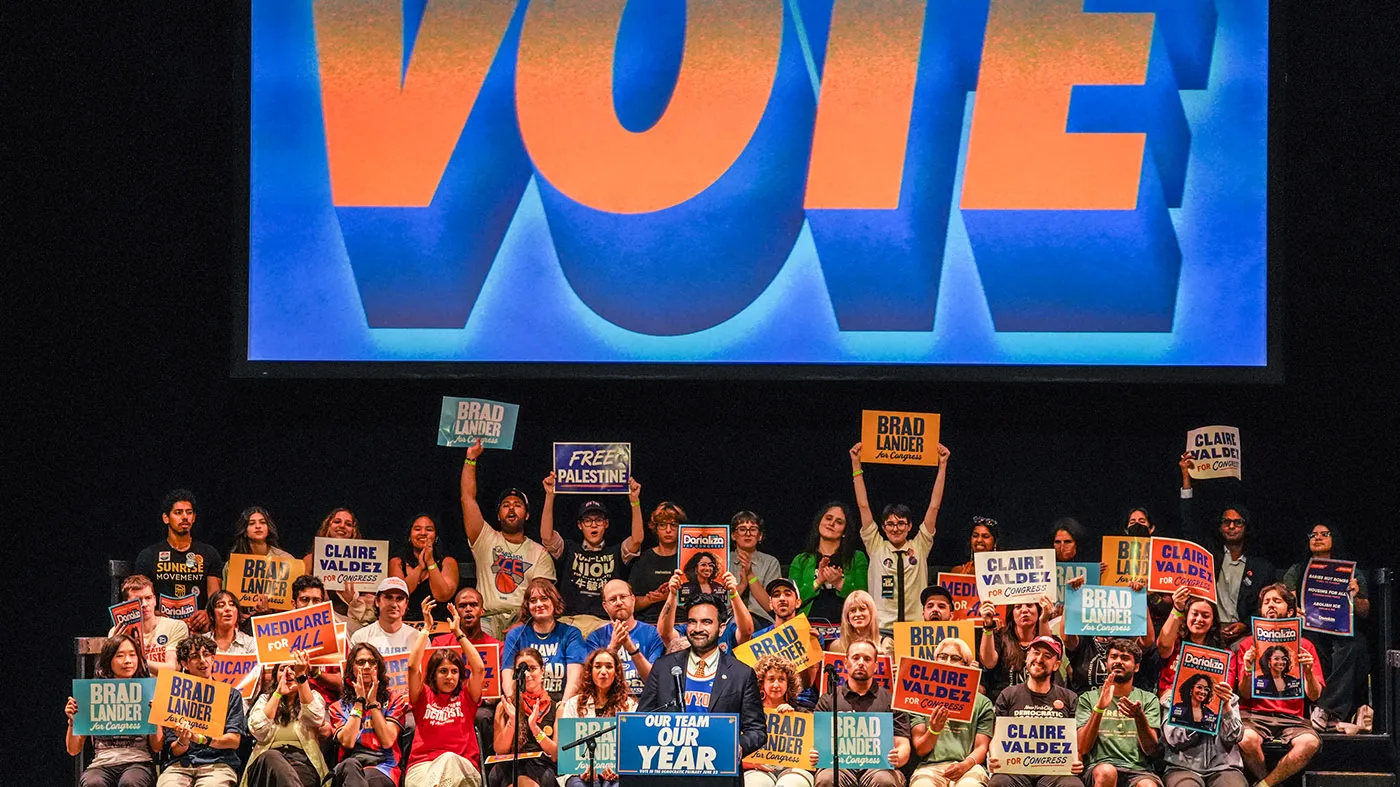
Table of Contents
DSA Leadership Signals Concern Over Democratic Party’s Voter Connection
Provpnadvice.com – During a recent television appearance, a prominent leader within the Democratic Socialists of America issued a pointed message to mainstream party officials regarding their relationship with the electorate. Megan Romer, serving as one of the DSA’s national co-chairs, suggested that traditional Democrats need to pay closer attention to what citizens are thinking and feeling about their representation.
The conversation unfolded on the program “Fox News Sunday,” where host Shannon Bream posed a question about whether the Democratic Party ought to be concerned regarding potential organizational shifts proposed by the DSA. Romer’s response emphasized that party leaders should focus primarily on voter sentiment rather than internal dynamics.
“The establishment Democrats should be worried about the voters and about what the voters think and about what the constituency thinks, and … right now they have not been delivering, and our candidates are and have been, and it’s resonating with voters,” Romer stated.
Bream subsequently referenced observations made by Jaime Harrison, who previously served as chair of the Democratic National Committee. Harrison had expressed the view that individuals who harbor negative feelings toward the Democratic Party yet choose to campaign under its banner should reconsider their approach. According to Harrison, such candidates ought to utilize party resources and volunteer networks while simultaneously working to strengthen the political organization they genuinely support.
Romer countered Harrison’s perspective by highlighting structural barriers that make it challenging for smaller political groups to gain ballot access. She noted that many Democrats frequently advise supporters against voting for third-party options, characterizing such choices as wasted opportunities. Consequently, DSA candidates often select the Democratic ballot line when it serves their interests best, though they occasionally run as independents when circumstances allow.
“I also have been told a lot of times by Democrats, don’t vote third party. It’s wasting your vote,” the DSA co-chair explained. “So, we run on the Democratic ballot line where it makes sense. We run independents sometimes where that is a viable possibility, but it’s a ballot line. And what matters is what the voters think. And the voters are overwhelmingly choosing our candidates.”
Progressive Success Across Multiple Races
The 2026 midterm primary election cycle has witnessed numerous victories for progressive and democratic socialist candidates throughout the nation. Several of these triumphs occurred in New York state, contributing to a broader pattern of success. Following New York City Mayor Zohran Mamdani’s victory in the Big Apple’s mayoral contest last year, two democratic socialist contenders are now positioning themselves for potential wins in Washington, D.C., and Los Angeles mayoral elections.
While some observers urge caution against interpreting these electoral successes as evidence of sweeping ideological transformation within the Democratic Party, others see them as indicators of voters seeking meaningful change. This desire for transformation extends beyond the upcoming fall midterms and reaches toward the 2028 presidential election as well.
Doug Sosnik, a seasoned political strategist who previously served as a senior adviser to President Bill Clinton, offered his analysis to The Hill. He characterized DSA victories as confirmation of the economic populist agenda that these candidates have championed. Sosnik drew comparisons to electoral successes achieved by populist Republicans, including President Donald Trump, suggesting that similar voter motivations may be at work across party lines.
“People not only want change, but they also want their elected officials to focus on the middle class and break up a system that currently favors the rich and powerful,” Sosnik remarked. “That has been a consistent pattern throughout the primaries so far.”
Sanders Echoes Concerns About Party Establishment
Senator Bernie Sanders of Vermont, who conducted two presidential campaigns as a democratic socialist while maintaining Democratic registration, has emerged as a vocal critic of establishment approaches. Sanders is widely recognized as the catalyst for the left-wing resurgence in American politics. He aligned himself with Romer’s assessment regarding the need for party leaders to respond to voter concerns.
Sanders recently challenged an opinion piece authored by Rahm Emanuel, who currently serves as the U.S. ambassador to Japan and is considered a potential candidate for the 2028 Democratic presidential nomination. Emanuel had cautioned that so-called “Bernie bros” might undermine Democrats’ prospects for securing congressional seats in November.
“The American people are tired of a rigged economy, a corrupt campaign finance system, they want real change,” Sanders told CBS News’s Margaret Brennan. “They don’t want a Rahm Emanuel and the establishment maintaining the status quo.”
These statements collectively suggest that progressive voices within the Democratic Party believe their message resonates with voters who feel disconnected from traditional political leadership. Whether this represents a temporary wave of enthusiasm or a more permanent shift in party dynamics remains to be seen as the electoral landscape continues to evolve.
Related Reading
Frequently Asked Questions
What is DSA co chair?
DSA co chair is the main topic of this guide. The article explains the context, practical details, and next steps readers should understand.
Why does DSA co chair matter?
DSA co chair matters because readers are looking for a useful answer, not just a short summary. Good content should match search intent and help them decide what to do next.