Massie says money for farmers in Iran war supplemental is ‘ironic’

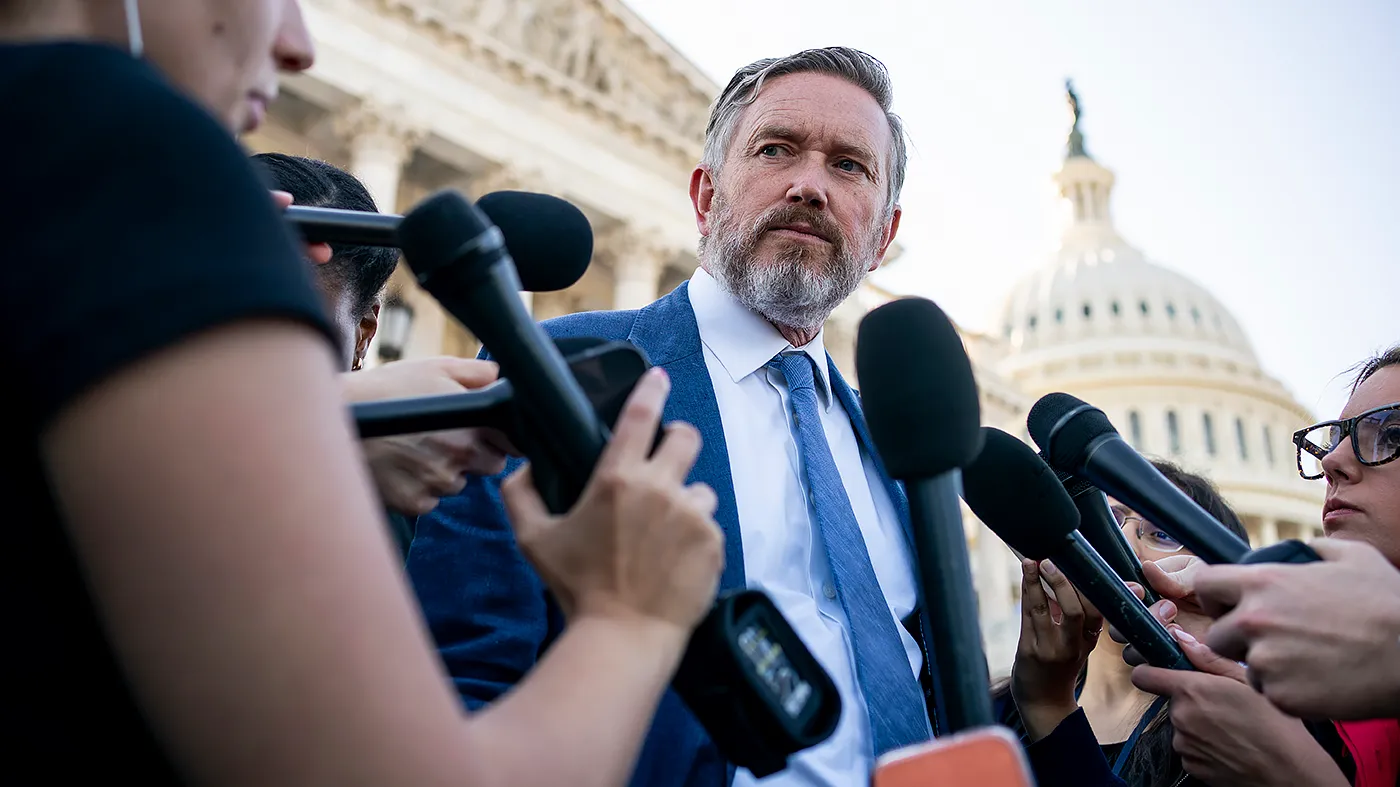
Table of Contents
Massie says money for farmers in Iran: Massie Questions Logic Behind Farmer Aid Amid Iran Conflict Rep. Thomas Massie Highlights the Paradox of War-Driven
Massie Questions Logic Behind Farmer Aid Amid Iran Conflict
Rep. Thomas Massie Highlights the Paradox of War-Driven Farm Subsidies
Provpnadvice.com – Rep. Thomas Massie, a Republican representing Kentucky, voiced his concerns on Tuesday regarding Congress’s decision to allocate over $11 billion to the United States Department of Agriculture as part of supplemental funding tied to the ongoing conflict with Iran. The lawmaker described the situation as particularly ironic given the circumstances that led to the agricultural assistance in the first place.
Speaking to reporters outside the House chamber, Massie explained the contradiction he sees in the current approach. He noted that the financial rescue package designed to help American farmers was actually triggered by the very war that is now consuming additional taxpayer dollars. According to Massie, the government is attempting to offset increased costs for fuel and fertilizer that farmers are experiencing—costs that have risen precisely because of the Middle Eastern conflict.
This supplemental request is part of a much larger financial package. Russell Vought, who serves as the director of the Office of Management and Budget, submitted a formal letter to Speaker Mike Johnson of Louisiana last month seeking approximately $87.6 billion in additional funding. The bulk of this request, totaling more than $67.1 billion, is designated for the Defense Department. This substantial allocation comes as American forces and those of the Islamic Republic continue to trade military strikes, having abandoned a brief memorandum of understanding that was established just last month.
Breaking Down the Agricultural Funding Request
Within the broader supplemental package, the Trump administration has specifically requested $11.1 billion for agricultural operations. The overwhelming majority of this sum—$10 billion—would be directed toward temporary economic support for row and specialty crops that are planted during the 2026 crop year. This represents a significant investment aimed at stabilizing domestic food production during a period of heightened global uncertainty.
Additionally, slightly over $1 billion would assist the department in helping agricultural producers recover from damages caused by severe winter storms that occurred in late 2025 and early 2026. This dual-purpose funding addresses both war-related economic pressures and natural disaster recovery needs simultaneously.
Agriculture Secretary Brooke Rollins advocated for the supplemental package during her testimony before the Senate Appropriations Committee on Tuesday. She emphasized that her department is working to reduce what she characterized as excessive government dependency among American farmers. Rollins described the funding as providing both a bridge and an extended hand to those in need.
“It provides a bridge and extends a hand to Americans who need it,” Rollins stated while testifying alongside Defense Secretary Pete Hegseth and Joint Chiefs of Staff Chairman Gen. Dan Caine.
She continued, “It buys the nation the security that we need, and it buys us time to deconstruct and then reconstruct a new system, putting our farmers and ranchers first, and to restore the system that originally made America great.”
Economic Pressures Mount from Multiple Sources
The conflict has created significant supply chain disruptions that are directly impacting American agriculture. The Iranian military has imposed restrictions on shipping through the strategically vital Strait of Hormuz. Under typical conditions, approximately one-third of all global fertilizer trade moves through this waterway, according to United Nations data. These restrictions have contributed to a sharp increase in fertilizer costs.
Analysis of Bureau of Labor Statistics data by the Federal Reserve Bank of St. Louis reveals that nitrogenous fertilizer prices climbed by 23.5 percent between February and June. This represents the highest level in over five decades, with only ten months in history showing higher prices. The trend reflects broader inflationary pressures affecting the agricultural sector.
Transportation costs have also risen considerably. Diesel fuel prices in the United States reached approximately $5.14 per gallon as of Tuesday, representing an increase of about $1.40 compared to the same period a year earlier, according to the American Automobile Association. These rising operational costs compound the challenges facing American farmers.
Massie pointed out that farmers have been dealing with elevated prices for an extended period, not just due to the current conflict but also because of President Trump’s tariffs on imported goods. These tariffs have particularly affected the cost of farm equipment, adding another layer of financial pressure to agricultural operations.
The Kentucky representative offered his perspective on what he views as the fundamental solution to these interconnected problems. Rather than continuing to pour money into multiple areas simultaneously, Massie argued for a more focused approach.
“So the solution of this is not to give more money to the war in Iran and more money to the farmers, and then later, more money to Iran and more money to some other industry that’s crumbling because of this war,” said the outgoing lawmaker, who maintains his residence on a farm in Kentucky.
He concluded simply: “The solution is [to] stop the war.”
Related SEO Topics
- Home
- Artikel terkait Massie says money for farmers in Iran
- Johnson notches early win on reconciliation 3.0, but tougher fights lie ahead
- Trump wants US airlines to add direct flights to Lebanon
- Watch live: DDHQ Data Nerds track Arizona primaries
- Wisconsin residents could lose voting rights over prediction market bets
Frequently Asked Questions
What is Massie says money for farmers in Iran?
Massie says money for farmers in Iran is the main topic covered in this article, with practical context to help readers understand the subject clearly.
Why does Massie says money for farmers in Iran matter?
Massie says money for farmers in Iran matters because it helps readers compare options, avoid common mistakes, and make a more informed decision.
How should readers use this Massie says money for farmers in Iran guide?
Use the key points, examples, and related links in this page as a starting point, then review the latest details before making a final decision.