Musk’s xAI, SpaceX sued over ‘pervasive and inescapable’ data center power plant noise

Musk’s xAI, SpaceX Face Data Center Noise Lawsuit
Provpnadvice.com – Residents in Southaven, Mississippi, have filed a lawsuit against Elon Musk’s xAI and SpaceX, alleging that the noise from their data center and power plant is disrupting daily life and reducing property values. The class-action case highlights the persistent auditory impact of the facility, which the plaintiffs claim creates an unrelenting nuisance in the once-quiet neighborhood near Memphis. The legal action targets the companies’ operations, emphasizing how industrial sounds have become a central issue in the community’s quality of life.
Three local residents, living close to the power plant in Southaven—a city bordering Memphis along the Mississippi-Tennessee line—have spearheaded the lawsuit. Their argument centers on the encroachment of noise from Musk’s ventures into residential areas, arguing that the companies have prioritized rapid development over environmental and social considerations. The complaint states that the noise from xAI’s operations is not only persistent but also difficult to escape, affecting both homes and public spaces.
“Companies like xAI and SpaceX are placing large-scale facilities in peaceful residential zones, subjecting residents to constant noise, vibrations, and other disturbances,” the legal filing asserts. “This has created a pervasive and inescapable impact on the community’s well-being.”
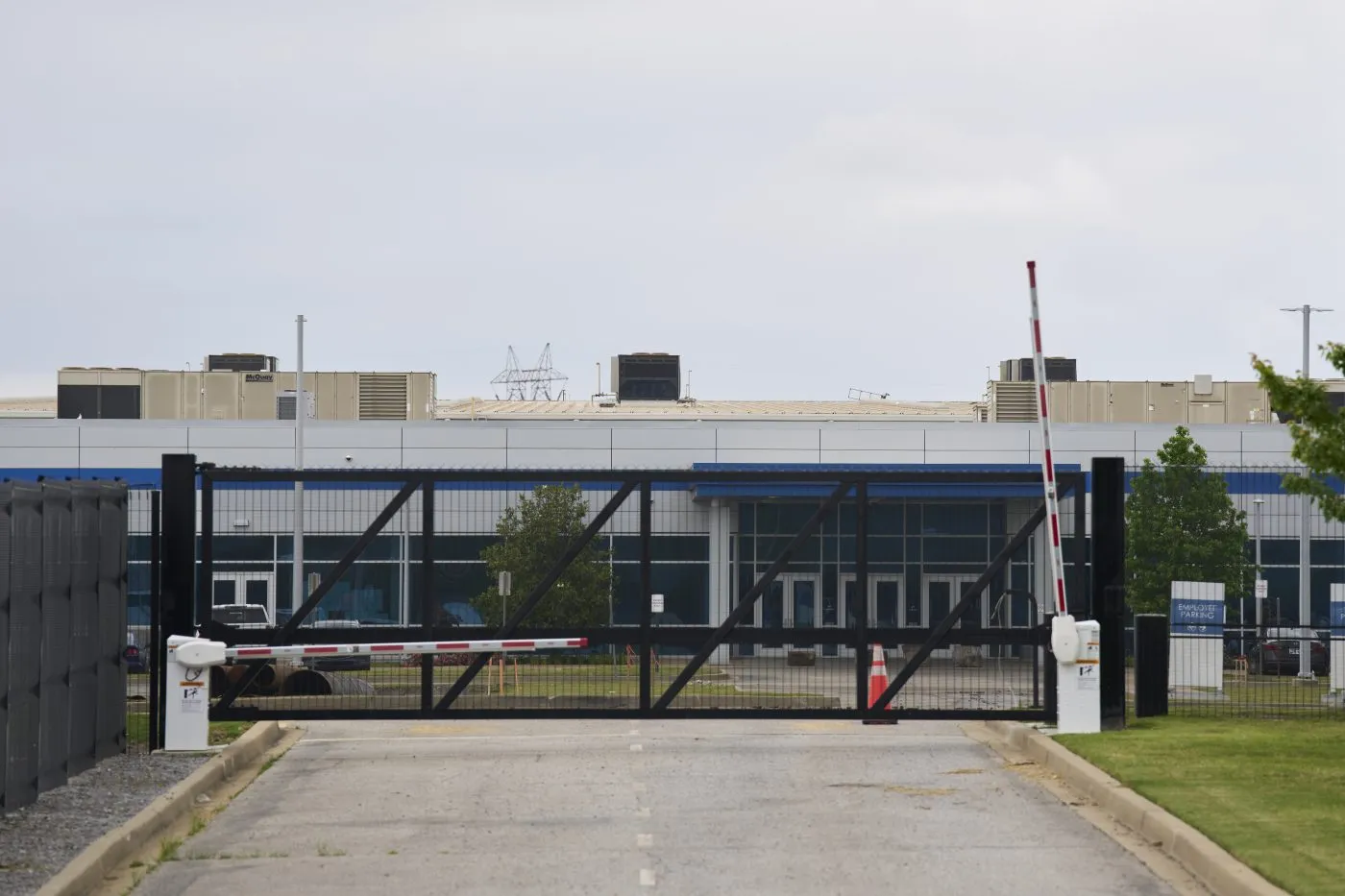
The lawsuit specifically focuses on one of xAI’s data centers in the region, which relies on 57 temporary gas turbines and has secured permits for 41 permanent ones. These turbines, central to the facility’s operations, are the primary source of the noise complaints. Legal representatives argue that the continuous sounds from the turbines have led to a persistent low-level noise environment, affecting both the physical and psychological health of nearby residents.
The noise generated by the turbines includes high-pitched squeals, deep rumbles, and ongoing engine hums, which are said to permeate homes and public areas. The legal team describes the disturbances as not only intrusive but also contributing to a sense of environmental degradation. Vibration levels and other byproducts are cited as additional factors compounding the impact on the community. The case underscores growing concerns about industrial noise in residential zones.
Background on the Data Center Project
Southaven, known for its suburban tranquility, has become the center of this dispute. The data center and power plant, operated by xAI, are part of Musk’s broader push for advanced computing infrastructure to support AI research. SpaceX, which acquired xAI earlier this year, has been integral to the project’s development, aligning with its own expansion goals in tech and space. While the facility promises economic benefits, such as job creation and infrastructure growth, residents argue the environmental costs are too high.
The permitting process for the turbines has been a point of contention. Initially, the NAACP raised concerns about air pollution in June, followed by a second warning in February. The lawsuit filed in April alleges that xAI operated without proper permits for its turbine installations, which were later approved. However, the community’s frustration with the noise and its effects on quality of life remains unresolved, despite the company’s compliance with regulatory requirements.
Community Impact and Legal Arguments
Residents in the Southaven area describe the noise as a constant companion, eroding the peace and quiet that once defined the neighborhood. The lawsuit contends that the data center’s operations have fundamentally altered the community’s living conditions, creating a backdrop of continuous disturbances. Legal experts suggest this case could influence future projects, particularly those involving industrial facilities in residential areas, by setting a precedent for noise-related disputes.
Plaintiffs are seeking compensation for diminished property values and demanding accountability for the environmental impact of Musk’s ventures. The legal team highlights the cumulative effect of the noise, arguing that it has led to long-term stress, sleep disruption, and a decline in overall comfort. The case reflects a broader tension between industrial growth and the need for sustainable development that respects local communities.