AIPAC halts fundraising for endorsed House Democrats who opposed Israel aid

AIPAC Suspends Fundraising for Democrats Who Voted Against Israel Aid
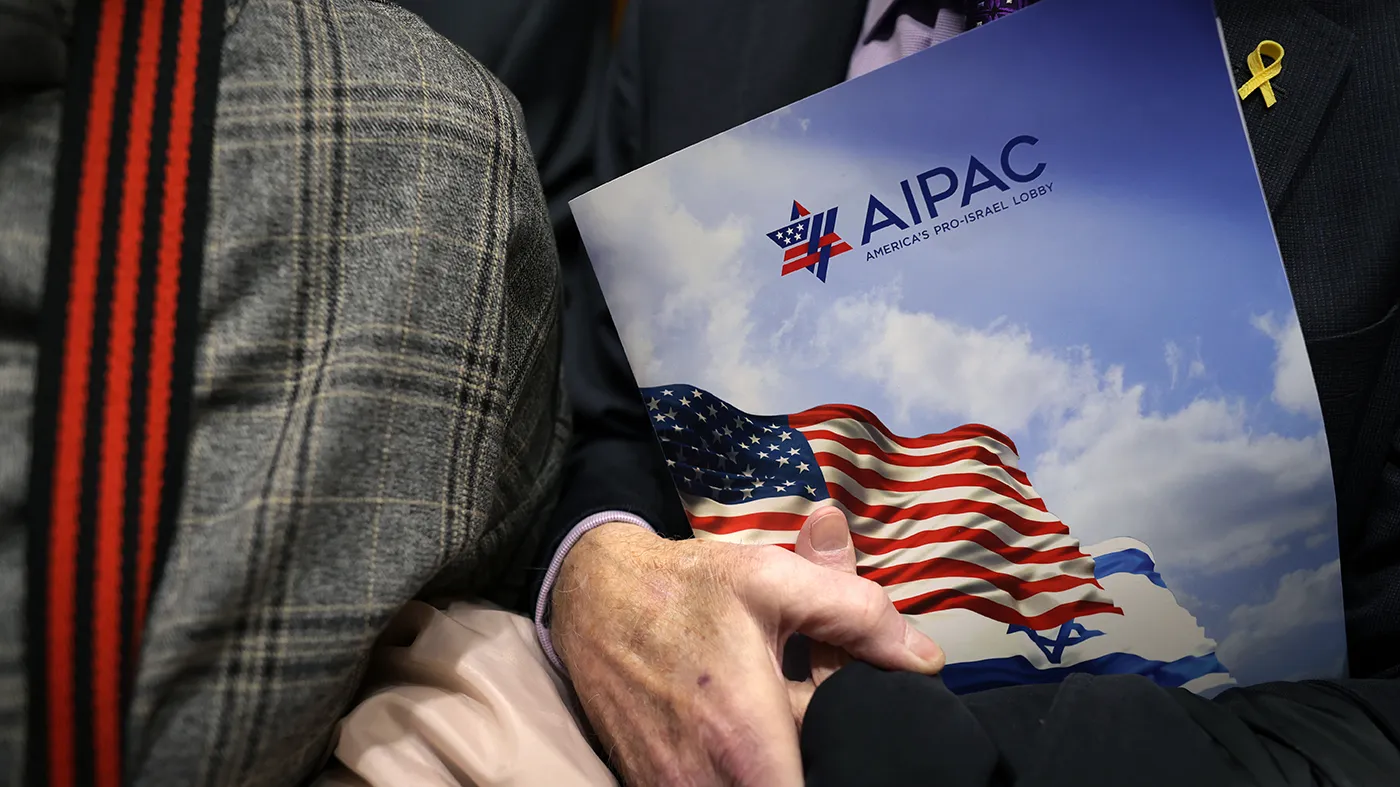
Provpnadvice.com – The American Israel Public Affairs Committee has temporarily paused its campaign fundraising operations for over twenty-four Democratic representatives in the House of Representatives. These lawmakers participated in a vote earlier this week that sought to redirect billions of dollars in American military assistance away from Israel. The decision signals a significant moment in the relationship between the influential lobbying organization and members of Congress who have expressed reservations about unconditional support for the Middle Eastern nation.
The Massie Amendment and Congressional Vote
On Wednesday, more than one hundred Democratic lawmakers cast their ballots in favor of an amendment introduced by Representative Thomas Massie of Kentucky. This legislative proposal targeted the fiscal 2027 funding bill covering the State Department and national security matters. The amendment would have limited the use of funds within the legislation to support Israel while simultaneously decreasing the Foreign Military Financing program by three point three billion dollars.
The final tally showed the amendment failing with a vote of one hundred four in favor, three hundred fourteen against, and ten abstentions. Democratic members appeared nearly evenly divided on the matter, with Massie standing as the sole Republican to support the measure. This outcome underscored an evolving trend within the Democratic Party as members reconsider their positions regarding America’s closest partner in the Middle East region.
Changes to AIPAC’s Donation Portal
Visitors to AIPAC’s digital campaign contribution platform will notice a change in how they can support certain politicians. The option to donate to representatives designated as “pro-Israel” has been removed for those who aligned with Massie’s amendment. This includes prominent figures such as House Democratic Whip Katherine Clark from Massachusetts, former Speaker of the House Nancy Pelosi from California, and Representative Jake Auchincloss, also from Massachusetts.
Meanwhile, donation links remain functional for other Democratic representatives who voted against the amendment. These include Minority Leader Hakeem Jeffries from New York and House Democratic Caucus Chair Pete Aguilar from California, demonstrating that the organization’s response was targeted rather than blanket.
“AIPAC members are deeply appreciative of their representatives who stand on principle and are disappointed by those who don’t,” Deryn Sousa, an AIPAC spokesperson, told The Hill in a statement.
Growing Pressure from the Party’s Left Wing
Democratic lawmakers face mounting scrutiny from the progressive segment of their party, which strongly opposes unwavering support for Israel. This opposition stems largely from concerns about the humanitarian emergency and civilian deaths occurring in Gaza. The issue has become particularly salient as primary elections approach, with accepting financial contributions from pro-Israel organizations serving as a measure of ideological alignment within the Democratic ranks.
These dynamics have exposed significant divisions between moderate and progressive factions, creating challenges for candidates navigating both donor expectations and constituent values. The situation reflects broader debates about American foreign policy and the balance between supporting allies while considering humanitarian concerns.
Auchincloss Defends His Position
In a public statement defending his vote, Representative Auchincloss argued that Israeli Prime Minister Benjamin Netanyahu and President Trump deserve accountability for multiple issues. He cited what he described as a “disastrous war against Iran,” increased settler violence in the West Bank, and inconsistent approaches to combating Islamist terrorism.
“The authority from Congress to finance and sell American-made weapons to allies is a grant of trust to both a presidential administration and its counterparty heads of government,” he wrote, noting that trust had been “sacrificed” by the president and prime minister’s actions.
Historical Context and Future Implications
This development follows a similar action by AIPAC in May 2024, when the organization eliminated direct donation options for fifteen Republican legislators who opposed fourteen billion dollars in emergency military assistance to Israel. The pattern suggests that AIPAC views congressional votes on Israel aid as meaningful indicators of political alignment.
As the political landscape continues to evolve, the organization’s decisions regarding fundraising support may influence how lawmakers approach future votes on international assistance. The current situation highlights the growing complexity of balancing domestic political pressures with foreign policy commitments, particularly as debates about American involvement in global conflicts intensify among voters and representatives alike.