US dramatically shortening visas for foreign journalists

Trump Administration Implements Sweeping Changes to Foreign Journalist Visa Policy
Provpnadvice.com – In a significant policy shift announced on Thursday, the Trump administration has unveiled plans to substantially reduce the duration of visas granted to international journalists operating within the United States. This comprehensive update represents a major departure from longstanding practices and introduces stricter timelines, particularly affecting reporters hailing from China.
Replacing the Duration of Status System
The Department of Homeland Security has introduced a new regulatory framework that eliminates the traditional “duration of status” mechanism in favor of fixed-term visa arrangements. Under the previous system, foreign journalists could remain in the country for extended periods without rigid time constraints. The updated regulations will now cap most foreign journalists at 240 days, while establishing a more stringent 90-day maximum for Chinese media representatives. Although these visas remain eligible for extension under certain circumstances, the baseline limitations represent a considerable tightening of entry parameters.
Administration officials characterized the former duration of status approach as a significant “loophole” within the immigration framework. According to their assessment, this mechanism permitted foreign students, exchange visitors, and media professionals to maintain indefinite presence in the United States without subjecting them to regular governmental monitoring and oversight procedures.
Historical Context and Previous Restrictions
This regulatory update signals a more assertive stance toward Chinese media operations following a period of relaxation under the Biden administration. During President Trump’s initial term in office, the United States had already implemented reductions in visa durations for Chinese journalists, setting them at 90 days. These measures were introduced as a direct response to Beijing’s handling of American reporters operating within Chinese territory.
The tensions during that period included China’s decision to expel journalists from three major American news organizations and prohibit them from conducting work in Hong Kong. These actions occurred amid heightened diplomatic friction related to the COVID-19 pandemic. Subsequently, the Biden administration moved to expand these visa allowances, permitting stays of up to one year for Chinese journalists.
Official Statements and Implementation Timeline
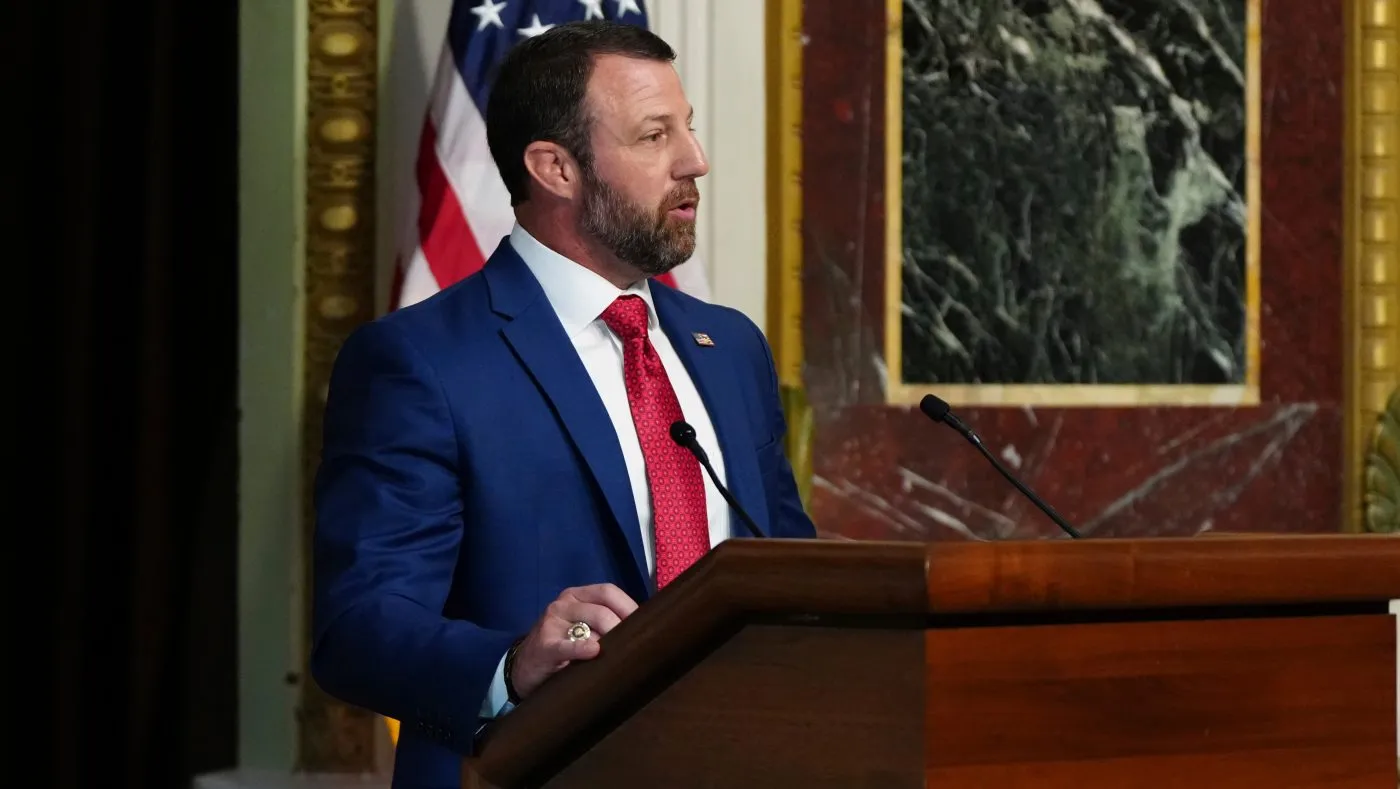
DHS Secretary Markwayne Mullin provided commentary on the rationale behind the policy change, emphasizing security concerns. In an official statement, Mullin noted that the outdated duration of status framework had compromised national security objectives and fostered conditions conducive to immigration fraud.
The new regulations are scheduled to become operative 60 days following their formal publication in the Federal Register, providing a transition period for affected journalists and media organizations to adjust accordingly.
China’s Response to the Policy Shift
Beijing has swiftly criticized the updated visa framework, labeling the policy as discriminatory in nature. Chinese officials have expressed concerns that the restrictions will create significant disruptions for Chinese journalists currently working within the United States. Foreign Ministry spokesperson Lin Jian addressed the matter during a daily press briefing in Beijing, articulating China’s position clearly.
“China urges the U.S. to immediately revoke its discriminatory policies targeting Chinese journalists and effectively safeguard their lawful rights and interests in the U.S.,” Lin Jian stated.
The spokesperson further emphasized that China reserves the authority to implement reciprocal countermeasures if the situation warrants such action. This diplomatic exchange highlights the ongoing tensions between the two nations regarding media access and treatment of journalists across borders.
Broader Implications
The visa modifications reflect a broader trend toward tighter immigration controls and increased scrutiny of foreign nationals operating within the United States. Media organizations with correspondents in both countries will need to navigate the new requirements carefully, potentially adjusting their staffing and deployment strategies to comply with the revised timelines. The policy change also underscores the interconnected nature of diplomatic relations and media freedom, as actions taken by one nation often prompt corresponding responses from the other.
As the implementation date approaches, journalists, media outlets, and government agencies alike are preparing for the transition. The extent to which the new system will affect day-to-day operations of foreign press remains to be seen, but the fundamental shift from indefinite status to fixed-term visas represents a notable evolution in how the United States manages international media presence within its borders.