Rubio rallies countries to confront ‘resurgence’ of far-left political violence

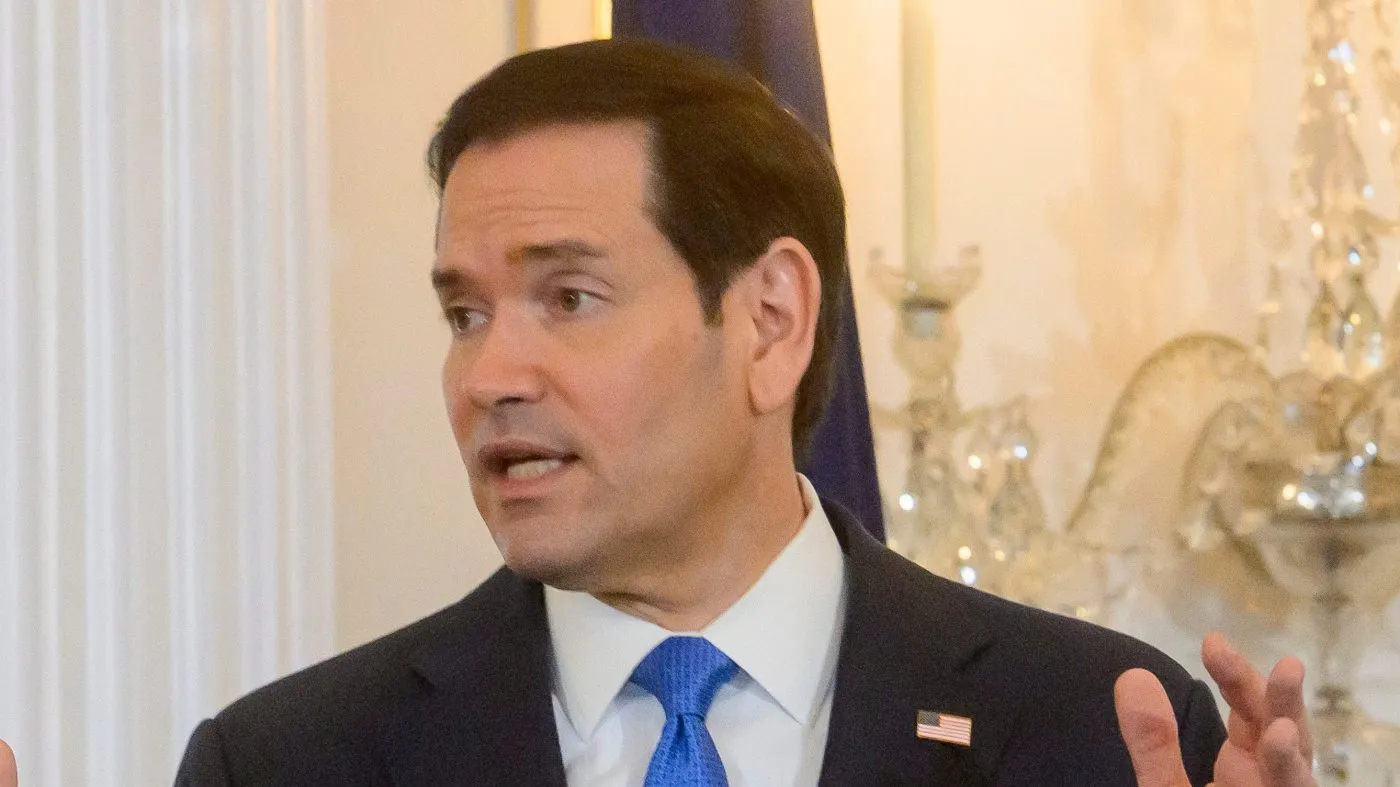
State Department Summit Addresses Global Far-Left Violence Concerns
Provpnadvice.com – Secretary of State Marco Rubio gathered representatives from over sixty nations on Thursday to address growing concerns about what Washington describes as a worldwide revival of far-left political violence. The gathering represents a significant diplomatic effort to coordinate international responses to this emerging challenge.
During the summit, Rubio emphasized the need for coordinated action, characterizing the phenomenon as more than isolated incidents. He described the threat as interconnected networks rather than separate, independent groups operating in different regions. This perspective aligns with the Trump administration’s broader strategy of treating left-wing political violence as a primary terrorist concern for the United States.
Expanding the Counterterrorism Framework
The administration has been actively working to strengthen its counterterrorism capabilities against left-wing groups. In November, officials designated four European leftist organizations as foreign terrorist entities and announced a ten-million-dollar reward for information regarding their financial networks. This move signals Washington’s intention to apply traditional counterterrorism tools to what it considers a transnational threat.
According to reports from The Washington Post, anonymous American officials expressed concerns that the administration plans to utilize powerful counterterrorism mechanisms to target domestic activists perceived as left-wing extremists. This potential expansion of authority has generated debate about the scope of government power.
President Trump previously committed to elevating antifa’s status by potentially labeling the decentralized far-left movement as a foreign terrorist organization. At an event featuring alleged victims of antifa-related violence, Trump directed Rubio to finalize the designation, stating, “Let’s get it done, OK? Let’s get it done, Marco.”
Executive Orders and Domestic Policy
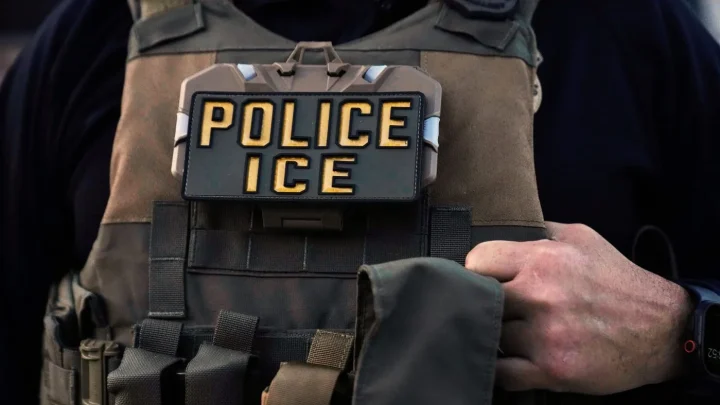
Trump’s October announcement followed his designation of antifa as a domestic terrorist organization and the issuance of executive order NSPM-7. This directive provided expanded investigative authority to multiple federal agencies, including the Justice Department, Treasury Department, Internal Revenue Service, and Federal Bureau of Investigation. These agencies can now more thoroughly examine nonprofit and tax-exempt organizations for connections to terrorist activities.
Stephen Miller, who serves as White House deputy chief of staff for policy and homeland security adviser, played a central role in developing the executive order. Speaking at the international conference, Miller encouraged attendees to remain steadfast in pursuing justice against what he termed “enemies of civilization.”
It’s not a coincidence that when you look at these violent antifa demonstrations, you see any photograph of those who were assembled, to be blunt, not one of the people that is demonstrating looks like a normal person. They’re all deformed in some way.
Miller suggested that participants could identify leftist threats through their physical appearance, claiming that photographs of antifa demonstrators consistently show individuals who appear different from “normal people.”
European Incidents and International Connections
Rubio’s address highlighted several recent incidents across Europe that he attributed to left-wing political violence. These included a firebombing at a conservative politician’s residence in Greece that resulted in the death of the politician’s seventy-two-year-old mother, an arson attack targeting Berlin’s power infrastructure claimed by a left-wing collective, and the fatal beating of a far-right militant in France allegedly carried out by far-left supporters.
Some analysts have questioned whether these examples adequately represent coordinated action or if they constitute isolated criminal incidents. Critics suggest that cherry-picking individual events may not accurately reflect broader organizational patterns among left-wing groups.
The Secretary of State drew parallels between European incidents and recent American political violence, referencing assassination attempts against Trump, the successful killing of conservative activist Charlie Kirk, a shooting at a Catholic school in Minneapolis, and the high-profile attack on UnitedHealthcare CEO Brian Thompson in New York City.
The very idea that far-left terrorism could be a serious threat is treated as a right-wing fever dream, or worse, as a dangerous fascist conspiracy.
Addressing Domestic Criticisms
Rubio dismissed criticisms of the administration’s approach as “partisan fiction,” arguing that ideological prejudice has created blind spots in global counterterrorism strategies. Civil rights organizations have contended that the focus on left-wing violence serves as a tactic to suppress domestic political opposition.
The Secretary also criticized city governments for their handling of the 2020 protests following the death of George Floyd, a Black man who died while under police restraint. He claimed that municipal authorities failed to prosecute individuals engaged in violence and vandalism during what he described as widespread destruction across American cities.
As criminals and extremists burned and looted their way through America’s great cities and nearly brought the country to its knees, city governments all across the country simply refused to prosecute the people conducting these acts of violence and terror.
Watchdogs and policy analysts have raised concerns that the executive order and related initiatives may potentially undermine First Amendment protections, though supporters maintain that the measures are necessary to address genuine security threats.