State Department considering $100,000 bonds on green card applicants

Trump Administration Evaluates Six-Figure Bond Requirement for Green Card Seekers
Provpnadvice.com – The Trump administration is currently reviewing the possibility of implementing a substantial financial guarantee for individuals pursuing lawful permanent residence through green card applications. According to recent reports, this proposed measure would require applicants to post a bond valued at $100,000 as part of their immigration process.
Tommy Pigott, a spokesperson for the State Department, confirmed that officials are actively assessing whether this six-figure financial commitment would help guarantee that incoming immigrants maintain “financial self-sufficiency” while ensuring they “contribute to our society more than they take from it.” This initiative represents a significant shift in how the administration approaches immigration policy and financial responsibility.
We are working closely with the Department of Homeland Security to introduce commonsense and effective procedures to enforce U.S. laws, restore the integrity of our immigration system, and protect American public benefits programs from the financial burden of foreigners who arrive with major expensive medical or other needs.
Pigott elaborated further on the legal foundation for this potential policy change. He explained that the Department is examining a well-established provision within the Immigration and Nationality Act, which grants authority to require certain visa applicants to post financial bonds. This provision specifically targets individuals who might otherwise be deemed ineligible for visas due to concerns about becoming a public charge. By posting a bond, these applicants can demonstrate they possess adequate financial resources to support themselves during their stay in the United States.
Broader Immigration Enforcement Efforts
This bond proposal aligns with wider efforts by President Trump and Republican legislators to strengthen immigration enforcement through various mechanisms. Over recent months, lawmakers have focused on implementing mass deportation strategies and introducing new legislation aimed at reducing birth tourism, despite this practice being relatively uncommon. Additionally, officials have proposed implementing substantial entry fees as another method to filter immigrants based on their financial standing.
Notably, the Trump administration previously attempted to introduce a similar $100,000 fee structure for H-1B visa applications. However, a federal judge ultimately invalidated this measure, ruling that the administration had overstepped its authority and encroached upon Congress’s constitutional power to establish immigration policy and taxation frameworks. H-1B visas enable American employers to recruit international professionals for specialized positions, particularly within the technology sector. While recipients typically receive lawful admission for three years, they differ from green card holders in that they do not obtain permanent residency status.
Current Green Card Fee Structure
Understanding the proposed bond requires examining existing green card application costs. The traditional fee structure varies considerably depending on the applicant’s specific category and whether they submit their application from within or outside American borders.
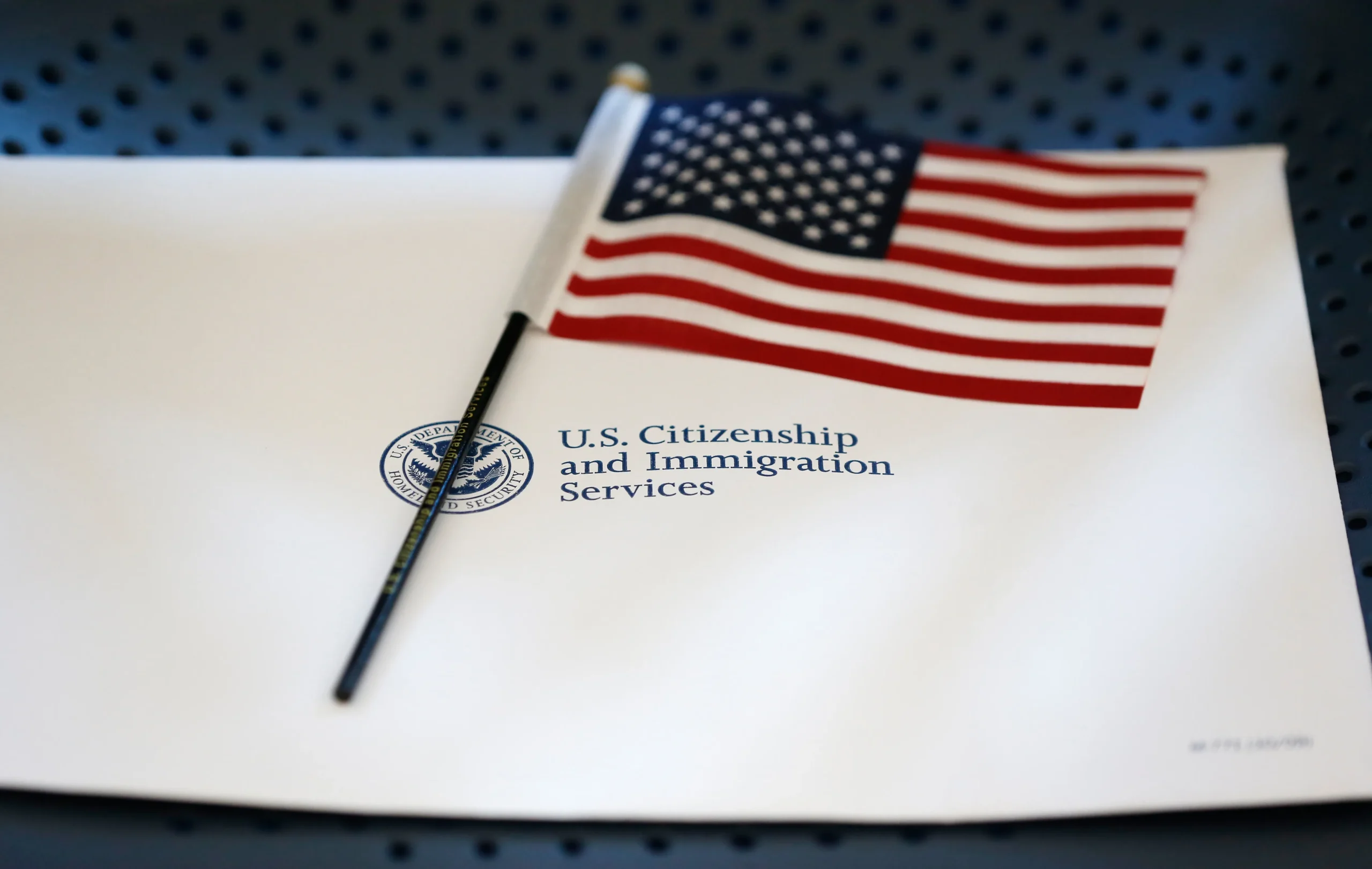
For individuals applying from within the United States, the standard filing fee for Form I-485 currently stands at $1,440. However, applicants requiring work permits and travel documents must pay additional charges unless they file these requests simultaneously under qualifying circumstances. Those applying through the State Department’s Consular Electronic Application Center from abroad traditionally pay a $325 fee for the DS-260 visa application. Following visa approval, applicants must then submit a $235 immigrant fee to U.S. Citizenship and Immigration Services to process their documentation and produce their permanent resident card.
As part of this comprehensive initiative, the Department is exploring the use of a long-standing legal authority under the Immigration and Nationality Act (INA) to require certain visa applicants – those who are otherwise ineligible for a visa because they are likely become a public charge – to post a bond as a way to demonstrate they have access to the funds needed to support themselves.
Precedent from African Countries
The proposed $100,000 bond would represent a dramatic increase for permanent residency seekers. Under the new policy framework, the administration would collect payments from applicants or their American family members, with plans to return the funds at a subsequent date.
A precedent for such bonding requirements already exists. Since August of last year, visa holders from Malawi and Zambia have been required to post $15,000 bonds. These funds would be forfeited if recipients overstay their authorized period or seek alternative immigration statuses upon arrival, such as asylum. According to The Wall Street Journal, fifty additional African nations have been asked to adopt similar requirements. Trump administration officials reported that this approach has achieved remarkable success, with 97 percent of visa holders from these countries avoiding overstays.
Despite this positive outcome, State Department representatives acknowledged that the bonding requirement has resulted in a decrease in the total number of visas issued. Nevertheless, Pigott emphasized that expanding the program would provide “applicants who have the resources to pay their own way another option to demonstrate their self-sufficiency and qualify for a U.S. visa.” This expanded framework could potentially reshape how the United States evaluates and admits immigrants seeking permanent residency, placing greater emphasis on financial capacity and long-term economic contribution to American society.