Trump to Iran: ‘We’re going to hit them very hard’

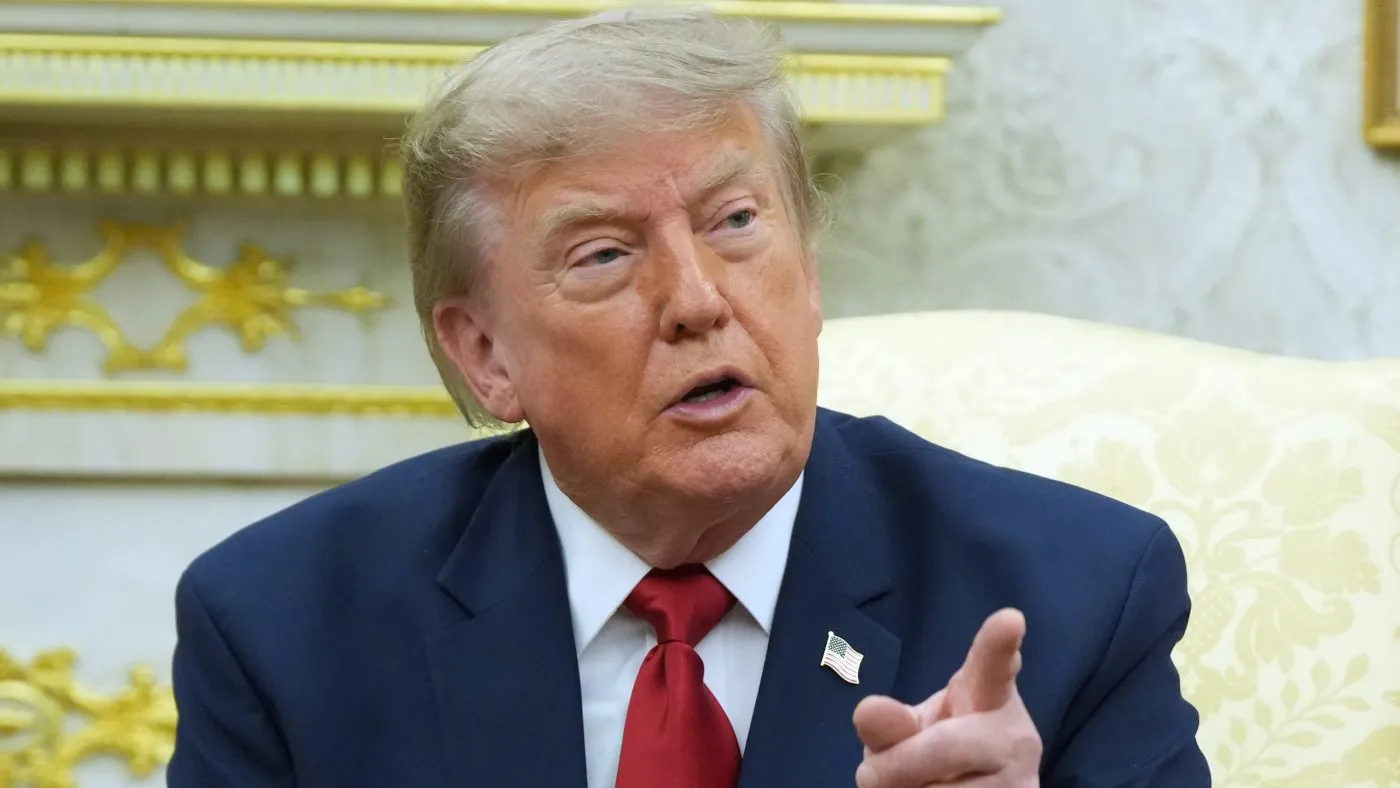
Trump Warns Iran of Escalating Strikes as Military Operations Intensify
Provpnadvice.com – President Donald Trump issued a stern warning to Iran on Tuesday, declaring that American forces are prepared to deliver severe blows to the Islamic republic following the fourth consecutive day of U.S. military strikes against Iranian targets. The president’s comments came during a conversation with Fox News correspondent Trey Yingst, in which he outlined an ambitious plan to systematically dismantle critical Iranian infrastructure through a phased approach.
Trump emphasized that the intensity of American attacks would increase over the coming days. “We’re going to hit them very hard tonight, we’re going to hit them very hard tomorrow night, we’re going to hit them very hard the night after, and then next week it gets really bad for them,” the president stated. He elaborated that the upcoming phase would specifically target energy and transportation networks. “Because next week comes the power plants, next week comes the bridges,” Trump explained, indicating that these new strikes would persist until Iranian representatives agreed to come to the negotiating table.
Strait of Hormuz: Strategic Waters Under American Control
Hours after Trump’s remarks, U.S. Central Command (Centcom) confirmed that a fresh wave of military operations had targeted dozens of strategic locations near the Strait of Hormuz and along Iranian coastal regions. The president addressed the status of this crucial waterway, noting that while Iranian authorities had declared it closed for regional exports, the strait remained accessible to international traffic.
“We’re not opening it for Iran,” Trump continued. “That’s the only one it’s closed for –– it’s closed for Iran, both in and out, but it’s open now. A lot of things have happened, Trey, in the last few months — pipelines are being built. We’re coming up with great alternatives, including Texas, including Alaska.”
The U.S. Navy has reinstated a naval blockade in the Strait of Hormuz, a vital maritime passage through which approximately twenty percent of global oil supplies transit. Trump initially contemplated imposing a twenty percent toll on vessels navigating the strait but subsequently modified this approach to facilitate trade and investment discussions with Gulf state nations.
Earlier on Tuesday, the president took to Truth Social to clarify the blockade’s parameters. “We will therefore have a FULL Blockade, but only on Ships coming to and from Iranian ports, or carrying anything have to do with Iranian cargo,” Trump wrote. Centcom subsequently verified that the blockade had been restored to its previous operational position.
Military Targets and Economic Consequences
On Monday, Trump proposed that American forces could potentially destroy “Pickaxe Mountain,” a geological formation situated near Iran’s damaged Natanz uranium enrichment facility within the Zagros Mountains. Military analysts have expressed skepticism that even America’s most powerful bunker-buster munitions would successfully penetrate the facility’s considerable depth.
The intermittent closures of the Strait of Hormuz have triggered a significant surge in energy prices, resulting in higher fuel costs for American consumers. These escalating expenses have strained household budgets and intensified pressure on the Trump administration to conclude the ongoing conflict.
Despite mounting public concern, Trump has largely downplayed economic worries. During the conflict’s initial phase in March, he characterized it as a brief “excursion.” By May, the president had stated that he does not factor Americans’ financial circumstances into his strategic decisions regarding the war.
The renewed hostilities emerged after both nations had signed a memorandum of understanding (MOU) designed to halt fighting. Diplomatic discussions appeared to collapse following Iranian assaults on commercial vessels within the strait, although Tehran has accused Washington of repeatedly breaching the ceasefire agreement established under the MOU.