Meta u-turns on AI feature amid privacy backlash

Meta Reverses Course on Instagram AI Feature Following User Concerns
A Rapid Response to Public Outcry
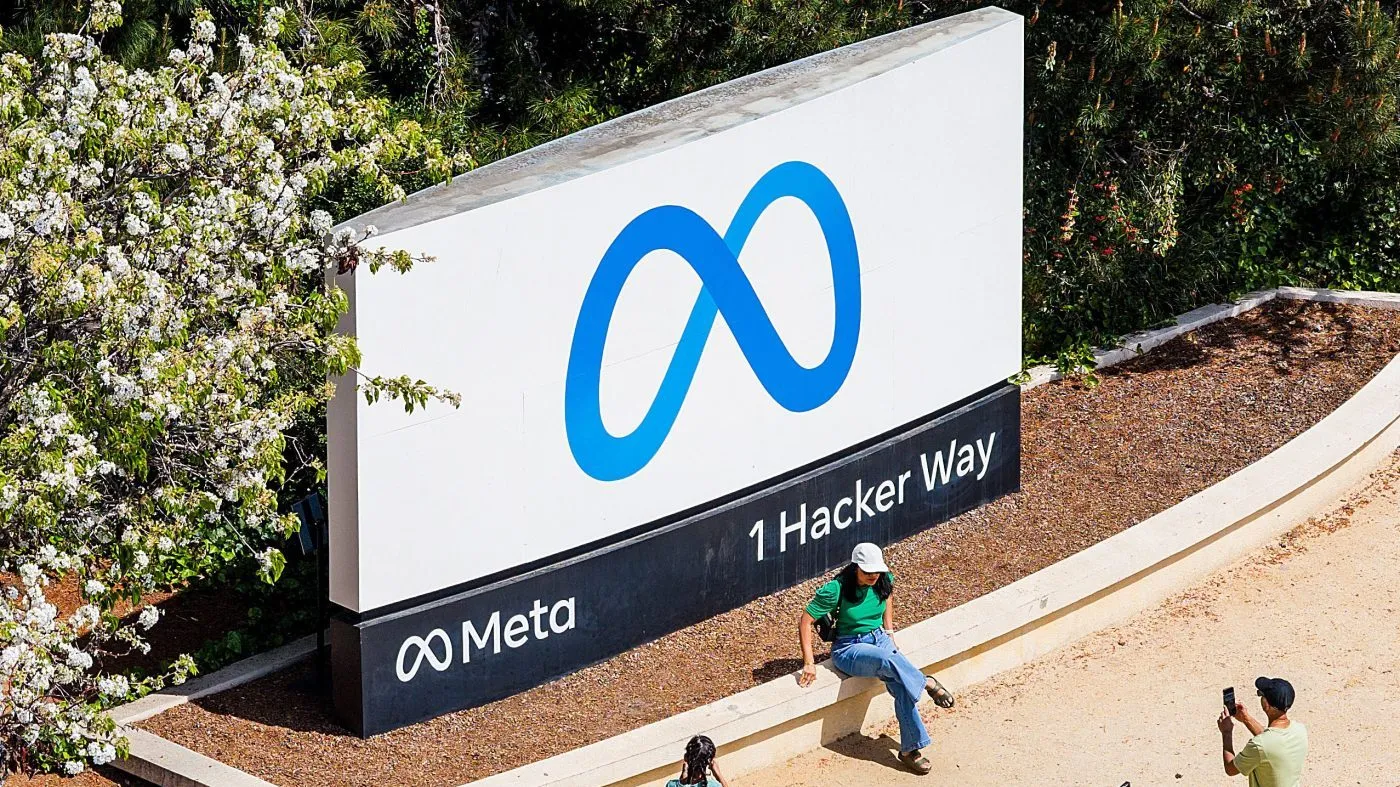
Provpnadvice.com – Meta, the parent organization behind both Facebook and Instagram, made the decision to remove a newly introduced artificial intelligence model from Instagram on Friday. This removal came merely days after the company initially launched the feature, which had generated immediate and significant negative reactions from the public. The swift action demonstrates how quickly the tech giant can respond when users express dissatisfaction with new product offerings.
The company had introduced its Muse Image AI model on Tuesday, positioning it as a “creative partner” that would enable users to create artificial intelligence-generated photographs for their social media profiles. The feature was designed to help people enhance their visual content through automated image creation capabilities.
Privacy and Copyright Issues Take Center Stage
However, the introduction of this feature sparked widespread criticism from users and advocacy groups alike. The primary concerns centered around privacy protections and copyright ownership. A significant portion of the backlash stemmed from the fact that all Instagram users were automatically enrolled in the new feature without being asked for explicit consent. This automatic opt-in approach meant that users’ public content could potentially be used without their knowledge or permission.
“Our intent was to provide a useful creative tool and to give people control over whether their public content could be referenced in this way,” Meta explained in an official statement. “We’ve heard the feedback that this feature missed the mark, so it’s no longer available.”
The company’s statement acknowledged that while their intentions were good, the execution failed to meet user expectations regarding consent and control over personal content.
Broader Context and Industry Implications
The Instagram feature represented only one component of a larger rollout strategy that included the Muse Image model being introduced on WhatsApp and the Meta AI application. Importantly, the Friday announcement indicated that the removal was specific to Instagram, meaning the feature would continue operating on other Meta platforms. This selective approach suggests the company was willing to make platform-specific adjustments based on user feedback rather than implementing a complete shutdown across all services.
The automatic enrollment mechanism that caused such concern reflects a broader trend in the technology industry. Many platforms have faced criticism for assuming user consent by default rather than requiring explicit opt-in decisions. This approach has become particularly contentious as artificial intelligence capabilities expand and companies seek to utilize user-generated content for training and improving their algorithms.
Union and Advocacy Group Responses
SAG-AFTRA, the prominent labor union that represents performers and broadcasters across the entertainment industry, issued a strong response to Meta’s initial implementation. The organization characterized the new model as “unacceptable” given the potential implications for performers’ rights. Following Meta’s announcement, SAG-AFTRA proactively shared detailed instructions with its members explaining how to disable the automatic settings in their social media posts.
“With the dangers of nonconsensual digital replicas well known to all, a feature that encouraged that behavior is unwise,” the union stated on Friday. “We appreciate its discontinuance. It is the responsible thing to do.”
The union’s statement highlighted concerns about digital replicas that could be created without proper consent, a growing issue in the entertainment industry as AI technology advances.
Public Citizen, a watchdog organization focused on government accountability and consumer protection, also expressed approval of Meta’s decision. In a social media statement released on Saturday, the group praised the removal of what it described as an “invasive” feature. The organization framed the outcome as a victory for everyday users who had the courage to voice their concerns.
“Big Tech wanted to strip away our right to privacy. But the people spoke up, and we won,” Public Citizen declared in their statement.
Historical Precedent and Future Considerations
This incident is not Meta’s first encounter with public backlash over artificial intelligence features. The company faced significant criticism last fall regarding its AI video generator called Sora. That application was eventually shut down in March after users raised similar concerns about copyright violations and the potential for increased nonconsensual imagery. The pattern suggests that Meta may need to develop more robust consent mechanisms before launching future AI features.
The rapid reversal on Instagram demonstrates that user feedback can still influence corporate decisions in the technology sector. While many consumers feel powerless against large corporations, this case shows that organized public response can lead to meaningful changes. The company’s willingness to pause the feature rather than defend its implementation indicates a recognition that user trust remains valuable and worth protecting.
As artificial intelligence continues to evolve and become more integrated into everyday digital experiences, the balance between innovation and privacy protection will remain a critical challenge. Companies will need to find ways to leverage user content for AI development while ensuring that individuals maintain meaningful control over how their information is used. The Instagram experience may serve as a template for how future features should be introduced, with greater emphasis on transparency and explicit consent mechanisms.