Trump fires election board Democrats

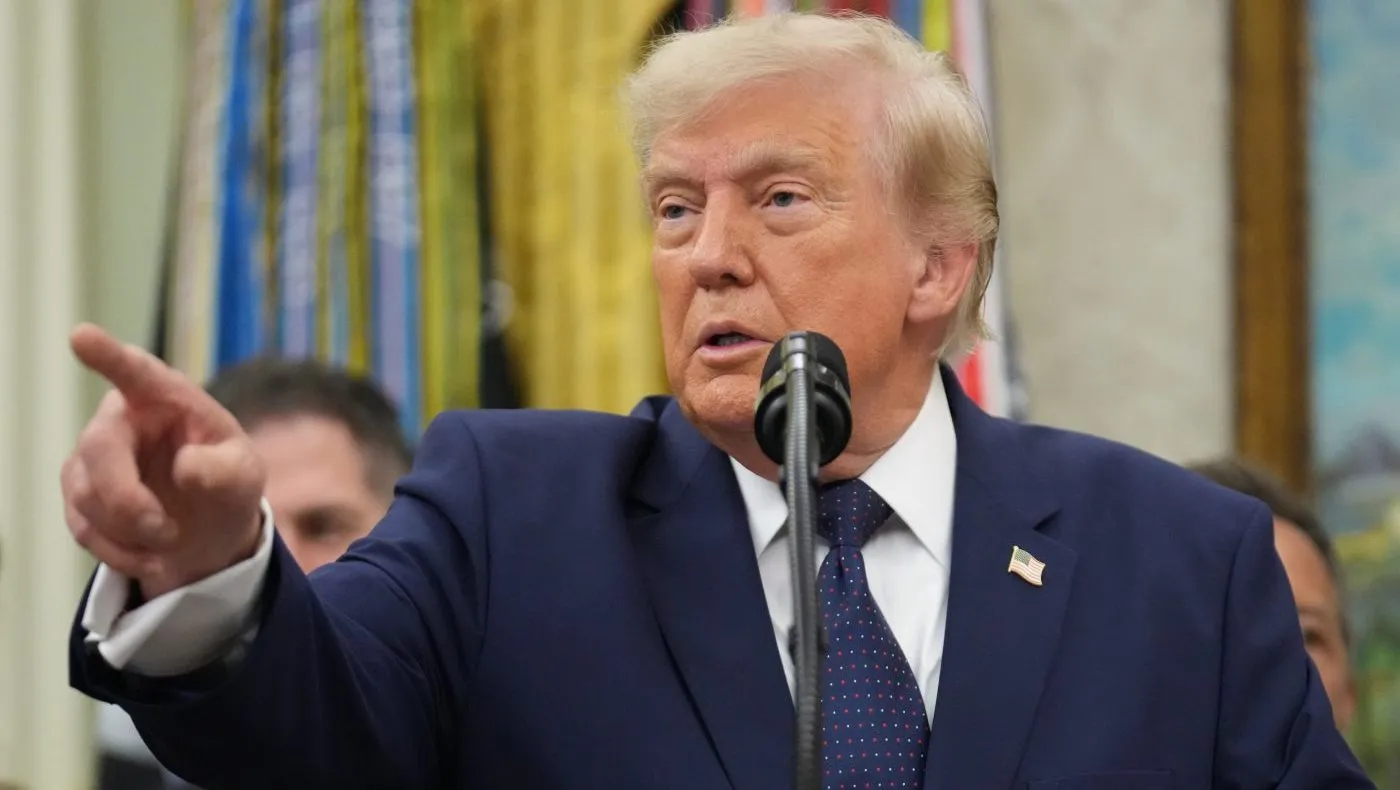
White House Confirms Removal of Democratic Election Commission Members
Provpnadvice.com – The White House officially announced on Thursday that President Donald Trump has dismissed the final two Democratic representatives serving on the independent Election Assistance Commission. This administrative action reshapes the composition of the bipartisan body responsible for overseeing federal election standards and voter participation across the United States.
Commission Leadership Changes
Benjamin Hovland and Thomas Hicks, both Democrats, were among those terminated from their positions. Their departure coincides with the voluntary resignation of Republican member Christy McCormick, leaving the commission in a transitional state. The simultaneous changes create an opportunity for the administration to potentially restructure the agency’s leadership entirely.
“The President, and head of the Executive Branch, reserves the right to remove individuals that may not be totally aligned with the important task of securing America’s elections and ensuring every legal vote is counted,” stated a White House official in an official declaration.
The administration cited legal precedent to justify the removals. A White House representative referenced the Slaughter decision, a Supreme Court ruling issued last month that established presidential authority to dismiss Federal Trade Commission members. This precedent provides the legal foundation for the current actions regarding the Election Assistance Commission.
“The Slaughter decision gives the President precedence to do so,” the official explained, highlighting the judicial backing for executive branch authority over independent agency members.
Election Security and Infrastructure
According to the White House statement, the administration has consistently prioritized election integrity across all governmental levels. Officials emphasized ongoing collaboration with local partners and federal agencies to prevent fraud and abuse within the electoral system. This effort includes substantial investments in electoral infrastructure designed to support the upcoming midterm elections.
The Election Assistance Commission holds significant responsibility in American democracy. Created in 2002 through the Help America Vote Act, the commission serves as a bipartisan and independent entity. Its primary functions include facilitating voter participation and assisting election officials in conducting fair and accurate elections nationwide.
Political Reactions and Future Uncertainty
The timing and nature of these dismissals have sparked immediate political response. Senate Minority Leader Chuck Schumer, representing New York, declared that Democratic staffers would vigorously oppose what he characterized as an unauthorized expansion of executive power. Senator Mark Warner of Virginia echoed similar concerns, stating that the removals warrant attention from citizens across the political spectrum.
“Senate Minority Leader Chuck Schumer (D-N.Y.) vowed that staffers would ‘fight this power grab at every turn,’ while Sen. Mark Warner (D-Va.) said the move ‘should concern every American, regardless of party,'” reported observers of the developing situation.
Several procedural questions remain unresolved. It is not yet clear whether President Trump intends to nominate new commissioners to fill the vacancies. Any appointments would require confirmation through the Senate, adding a layer of political negotiation to the process. The timeline for potential replacements and their qualifications will likely become central topics in coming weeks.
Mail Voting and Commission Responsibilities
Beyond personnel changes, the commission maintains critical operational duties. Its website indicates that the body oversees the national mail voter registration form, which was developed pursuant to the National Voter Registration Act of 1993. This responsibility connects directly to broader debates about voting accessibility and security.
The Trump administration has consistently expressed skepticism regarding mail-in voting mechanisms. Recent policy moves have sought to impose additional constraints on the process. Postmaster General David Steiner announced last month that the United States Postal Service would cease delivering mail ballots in states declining to share sensitive voter information with federal authorities. This policy shift represents another dimension of the administration’s approach to electoral management.
The convergence of commission leadership changes, legal precedent, and mail voting restrictions suggests a period of significant transformation for American election administration. Stakeholders across political parties will be watching closely to see how these developments unfold and what impact they may have on voter confidence and participation in future elections.