Deadline to claim COVID-era tax refund is Friday: Do you qualify?

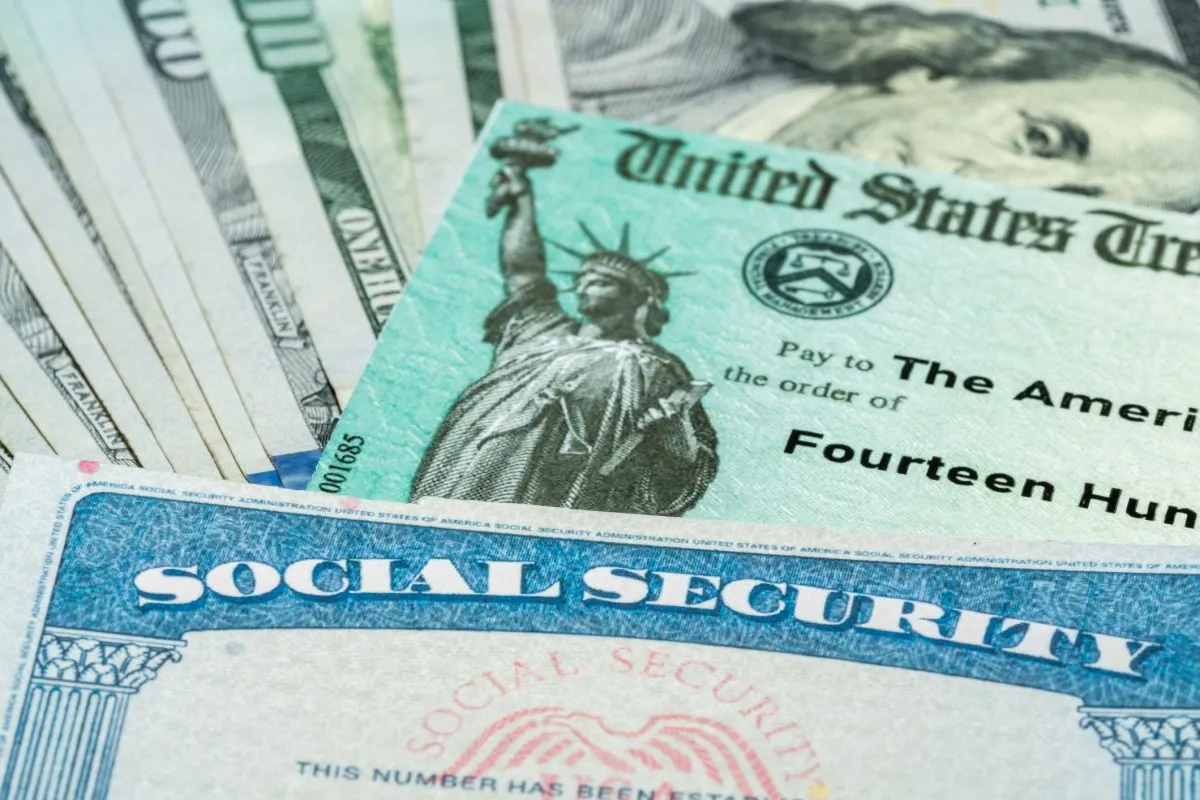
Millions Face July 10 Deadline for Pandemic Tax Refund Claims
Provpnadvice.com – Even though the COVID-19 health emergency concluded years ago, a significant opportunity remains for American taxpayers to recover money they overpaid during those challenging times. The crucial window to secure this financial relief closes on Friday, July 10, and individuals who overlook this date will permanently lose their eligibility for the refund.
Understanding the Court Ruling and Its Impact
This substantial refund program affects tens of millions of citizens who were charged penalties by the Internal Revenue Service for not submitting their tax returns or making payments during the height of the pandemic. In 2025, a federal judge issued a landmark decision determining that taxpayers should not have been penalized for late filings or payments because the pandemic constituted an official disaster period. This classification meant that the standard filing deadlines should have been extended automatically.
The legal battle, known as Kwong v. U.S., encompasses an enormous segment of the American population. According to court records, the IRS had assessed 120 million separate penalties against millions of individual taxpayers during this timeframe. These penalties accumulated because many Americans struggled to meet their financial obligations while dealing with lockdowns, job losses, and other pandemic-related disruptions.
What Taxpayers Need to Know About Eligibility
While the court ruling established that many taxpayers deserve relief, receiving actual refunds is not automatic. Individuals must actively file a claim before the July 10 deadline to secure their portion of the potential repayment. Tax experts emphasize that meeting certain criteria is essential for qualification.
For those seeking to protect their interests while the legal process continues, professionals recommend submitting what is called a “protective claim.” This procedural step ensures that the taxpayer’s right to a refund remains valid even if the court case experiences delays or remains unresolved for several additional years. This approach provides security for individuals who might otherwise lose their claim due to prolonged litigation.
People will need to fill out Form 843, which can be found on the IRS website, and send it through snail mail, Alyssa Maloof Whatley, a director at Frost Law, told the Associated Press.
Current Uncertainties and Next Steps
Despite the favorable court ruling, some complications remain. The case continues to move through the judicial system, meaning refunds are not guaranteed to materialize immediately. Ken Kies, who serves as assistant secretary at the Treasury Department, explained the government’s position to reporters.
The Trump administration believes the case was “wrongly decided because it is a misreading of the plain language of the statute,” Ken Kies told The Associated Press.
This disagreement between the courts and the executive branch creates uncertainty about whether the refunds will ultimately be issued. Nevertheless, tax professionals advise that eligible individuals should submit their claims before the deadline regardless of the outcome. Filing ensures that taxpayers can receive repayment if the court maintains its current ruling in future proceedings.
Several legal and accounting organizations have released detailed guidance to assist taxpayers in determining their eligibility and completing the necessary paperwork. The dedicated website covidtaxrefunds.com continues to operate and has already processed thousands of inquiries from concerned citizens seeking information about the refund process.
For those who qualify, acting promptly is essential. Missing the July 10 deadline means forfeiting the opportunity to recover potentially significant amounts of money that were incorrectly charged as penalties during one of the most disruptive periods in recent American history.