America is quietly abandoning its Indo-Pacific strategy

A Subtle Shift in American Strategy: What the Pentagon’s Name Change Really Means
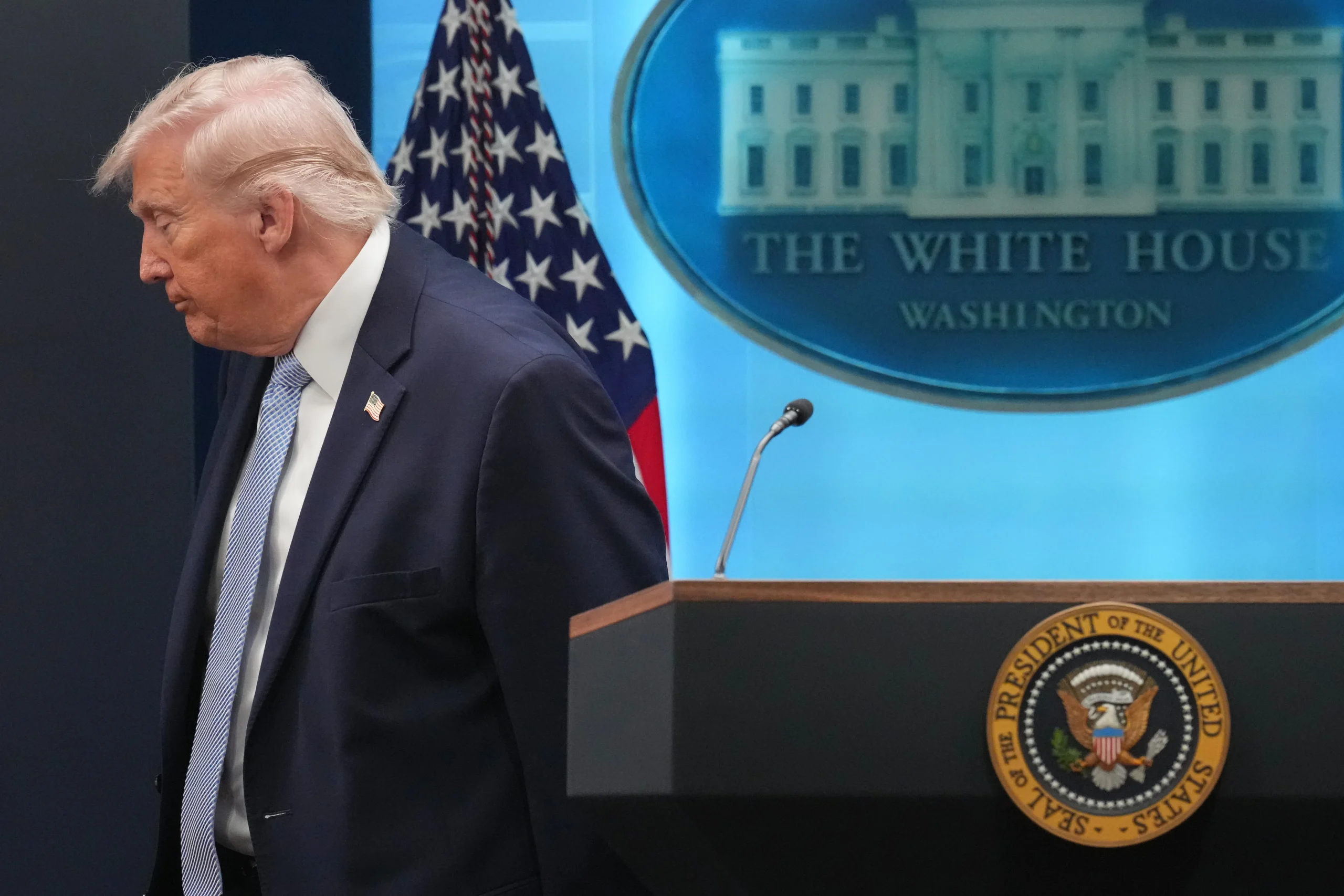
Provpnadvice.com – One of the most significant yet understated bureaucratic decisions of the Trump administration may have just occurred. The Pentagon’s choice to remove the “Indo” prefix from “Indo-Pacific” could signal something far more profound than mere nomenclature. While official documentation suggests minimal alteration, the implications of this seemingly small adjustment deserve careful examination.
The renamed U.S. Pacific Command continues to oversee the same vast territory, stretching from the American western seaboard all the way to India’s western border. Yet in international relations, symbolism often carries as much weight as formal policy. Names in geopolitics rarely serve merely decorative purposes. They communicate priorities, influence partnership dynamics, and reflect how nations perceive their place in the global order.
The Question of Strategic Continuity
By eliminating that single syllable, Washington has prompted an unsettling inquiry: Has America been gradually stepping away from the strategic framework that has directed its approach toward China for approximately ten years? This framework was never fundamentally about physical geography.
The Indo-Pacific represented an ambitious strategic concept. It acknowledged that the center of worldwide power had relocated, connecting the Pacific and Indian Oceans into a single, integrated strategic domain. The region now contains the world’s most heavily trafficked maritime routes, its most rapidly expanding economies, primary centers of manufacturing, and critical military tension points—all now inextricably linked.
The concept’s primary intellectual contributor was Japan’s former prime minister, Shinzo Abe, who argued that the Pacific and Indian Oceans created what he called the “confluence of the two seas.” This confluence, he maintained, demanded a coalition of maritime democracies committed to preserving a rules-based regional system. His vision of a “Free and Open Indo-Pacific” aimed not to exclude China but to ensure no single nation could achieve dominance across Asia.
From Coalition to Accommodation?
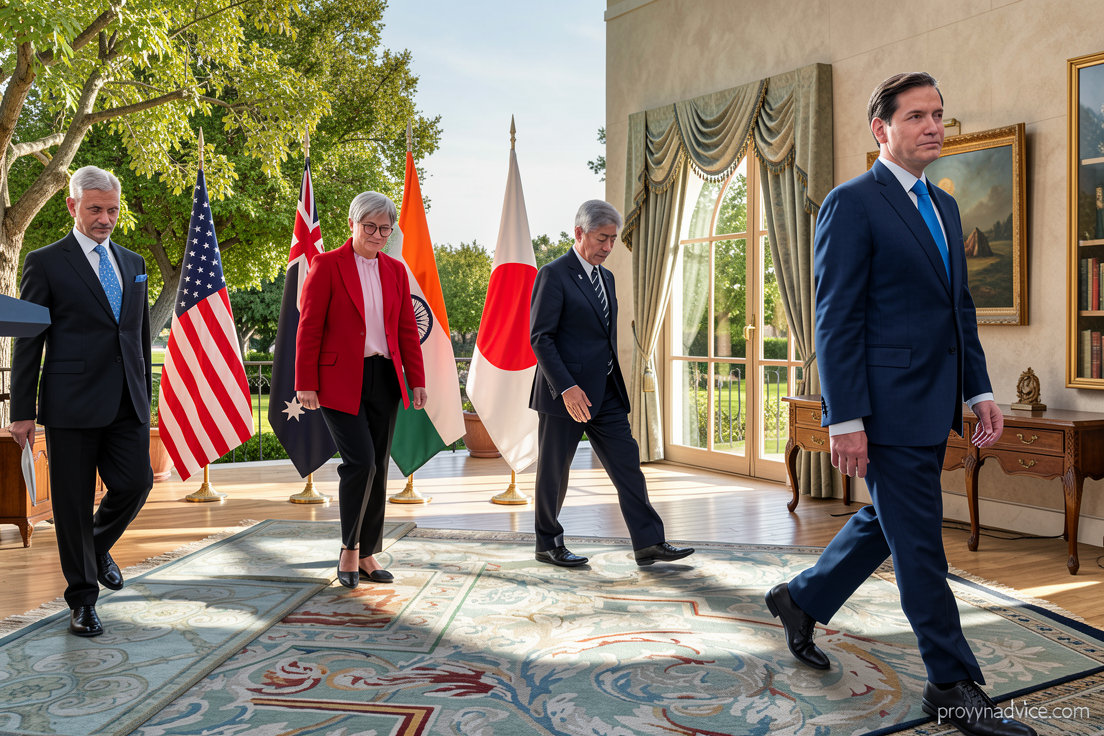
During Trump’s initial presidency, the free and open Indo-Pacific became the central organizing principle for American policy toward Beijing. The previously inactive Quad—uniting the United States, India, Japan, and Australia—was resurrected. China received formal designation as America’s foremost strategic rival. India gained unprecedented significance due to its geographic position on China’s western flank, while Japan secured its role as the eastern anchor. Together, these nations created the foundation of a comprehensive balancing coalition spanning two oceans.
President Joe Biden maintained much of this structure. Despite conflicts in Ukraine and the Middle East drawing American focus and military assets elsewhere, the core strategic premise endured: China, rather than Russia, constituted the defining geopolitical challenge of the current century.
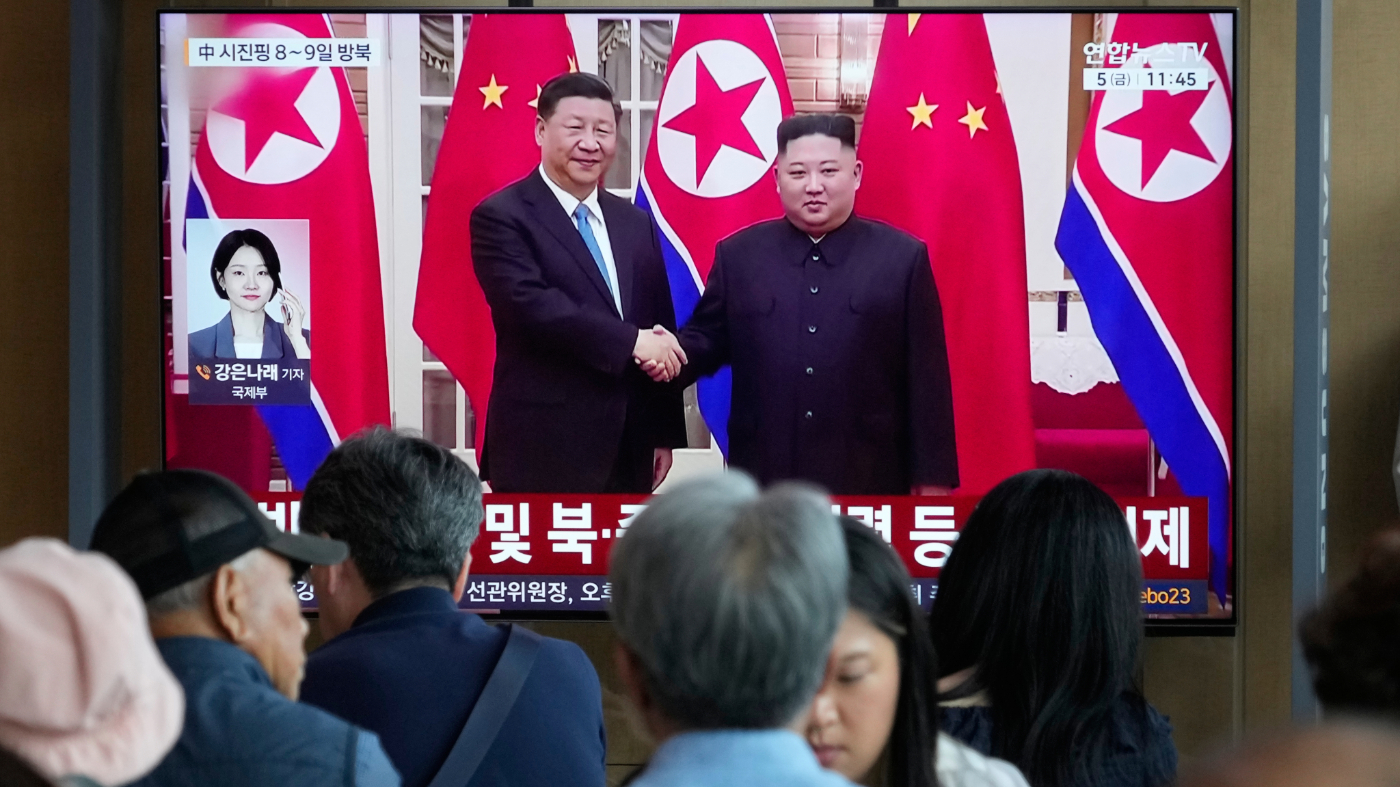
Now, however, that premise faces growing uncertainty. The Pentagon’s designation change represents only one signal of a wider transformation. Trump has progressively moderated his stance toward China, prioritizing commercial agreements over strategic rivalry. His administration has reduced the Quad’s visibility. Furthermore, his frequent mentions of a U.S.-China “G2” (Group of Two) indicate an emerging perspective on international relations that diverges significantly from the coalition-centered approach Washington developed over several years.
Washington’s initial Indo-Pacific strategy operated on the belief that preventing Chinese dominance in Asia required building a network of strong allies and partners. A G2 model assumes the opposite. Rather than assembling a coalition to counter China, Washington would progressively pursue stability through direct agreements with Beijing.
The Quad’s Identity Crisis
For American partners, this distinction carries enormous weight. Nations like Japan, Australia, and India accepted heightened strategic risks because they trusted America’s dedication to sustaining a favorable power balance in Asia. They committed political capital and military resources to this collective vision.
Yet if Washington increasingly views Beijing not as the primary adversary requiring containment but as a co-steward of international stability, those foundational beliefs begin to weaken.
The Quad exemplifies this challenge. Initially designed as a strategic counterbalance to Chinese territorial ambitions, the organization now appears more like an alliance searching for renewed purpose. No leaders’ summit has occurred since 2024. Its focus has shifted toward less contentious collaboration on supply chains, emerging technologies, and maritime surveillance—valuable efforts certainly, but insufficient as the cornerstone of grand strategy.
The contradiction grows increasingly apparent. If Washington itself pursues accommodation with Beijing, what precisely is the Quad intended to discourage?
Alliances rarely disintegrate through sudden rupture. More commonly, they deteriorate gradually. This quiet decay represents the threat facing the Quad at present.
The ramifications reach far beyond a single diplomatic arrangement.
“The Indo-Pacific was a grand strategic concept. It recognized that the center of global power had shifted, linking the Pacific and Indian Oceans into one interconnected strategic theater.”
As the Trump administration continues to recalibrate its approach, the question remains whether this represents a temporary adjustment or a fundamental reorientation of American strategy in the Indo-Pacific region. The answer will determine not only the future of the Quad but also the broader architecture of American alliances in Asia for decades to come.