Is the US Constitution still fit for purpose?

Is the US Constitution still fit for purpose?
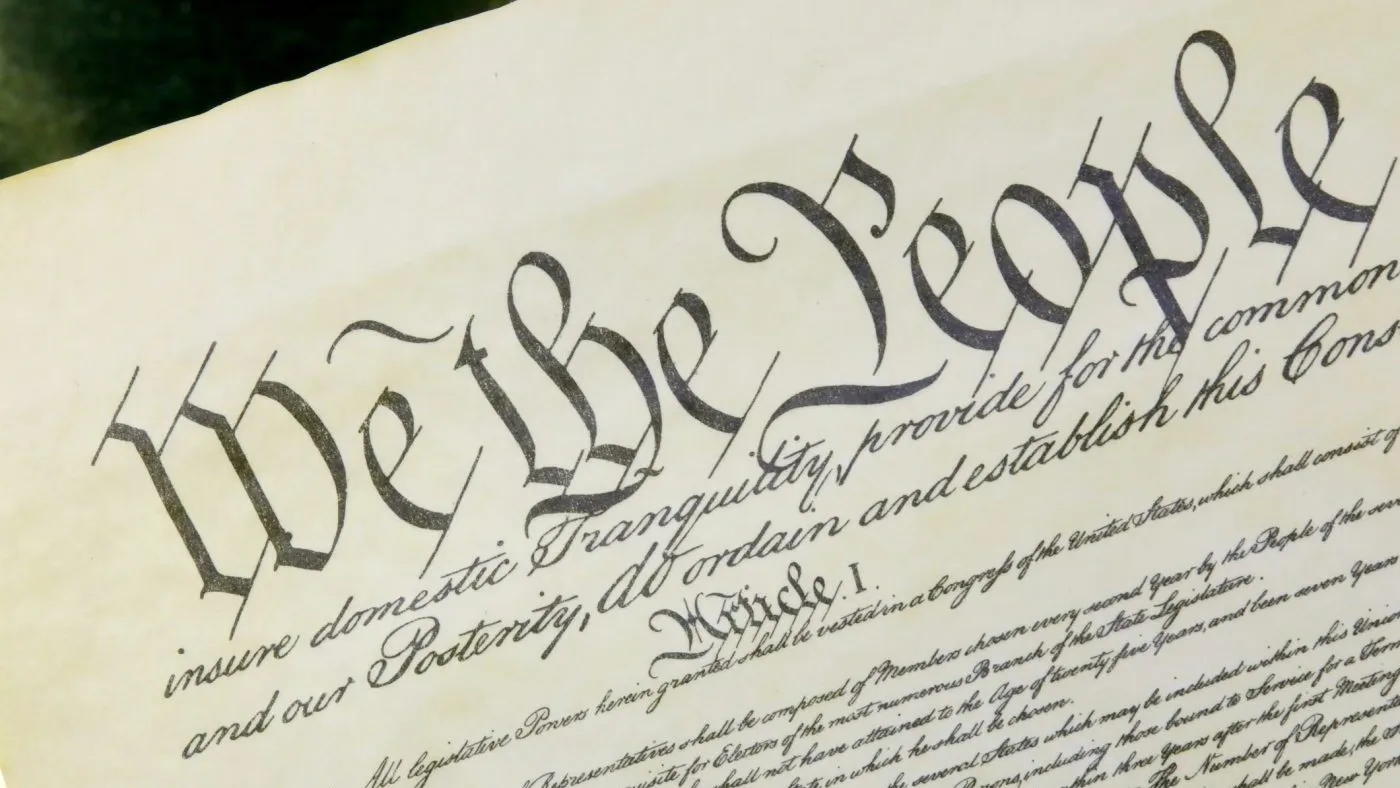
Provpnadvice.com – The U.S. Constitution remains the bedrock of American governance, a document that has endured for over two centuries. It is the foundation upon which the nation’s political structure was built, enshrining principles that have guided the country through countless transformations. Yet, as the world evolves, so too do the questions surrounding its continued relevance.
Since its ratification in 1791, the Bill of Rights has served as the cornerstone of American freedoms. However, the Constitution itself has been the subject of more than 11,000 proposed amendments. While this volume of change reflects the nation’s adaptability, only 17 have actually been ratified, underscoring the difficulty of altering this foundational text.
The Evolution of a Founding Document
This year marks a pivotal moment to reflect on the Constitution’s legacy and its capacity to address contemporary challenges. The Framers, in 1787, drafted a document that would endure as the supreme law of the land, but their vision was shaped by a world vastly different from today’s. They could not have foreseen the rise of artificial intelligence, the existential threat of climate change, or the potential of weapons of mass destruction to redefine global power dynamics. The rapid pace of technological advancement has outpaced the political mechanisms designed to manage such innovations, leaving critical aspects of governance unaddressed.
The Constitution’s structure, which relies on a system of checks and balances, was intended to prevent the concentration of power. However, recent decades have exposed cracks in this framework. Congress, once a bastion of legislative independence, has frequently ceded authority to the executive branch. The Supreme Court, tasked with upholding constitutional principles, has increasingly favored interpretations that prioritize ideological agendas over the public good. These shifts have raised concerns about the document’s ability to safeguard the rights it was designed to protect.
Modern Challenges and Constitutional Gaps
“The Framers did anticipate official corruption and wanton violations of the Constitution. They designed three equal branches of government to check and balance each other.”
Despite these foresights, the current political landscape reveals a breakdown in this system. The president’s actions have been described as unprecedented in their scope, with allegations of corruption, legal violations, and judicial overreach eroding public confidence. The erosion of trust is evident in polling data, which shows that over two-thirds of voters express dissatisfaction with the nation’s trajectory. Since 2013, public trust in government has hovered in the low 30s, a stark decline that highlights the urgency of reform.
While the Constitution includes broad principles like the Preamble’s commitment to “secure the Blessings of Liberty to ourselves and our Posterity,” these aspirations remain abstract rather than enforceable. The document’s framework has not yet incorporated the rights of future generations, a concept that has gained traction in the constitutions of over 80 countries. By contrast, the U.S. Constitution’s phrasing of these rights is indirect, offering little legal weight in an era of climate crises and environmental degradation.
Another critical gap lies in the recognition of nature’s intrinsic value. At least 39 nations have enshrined the rights of nature in their legal systems, yet the U.S. Constitution does not explicitly address this. The current text could be strengthened by adopting the polluter-pays principle and the Public Trust Doctrine, which would hold corporations accountable for environmental harm and ensure that natural resources are preserved for public benefit.
Reforms for a Resilient Future
One proposed change involves restructuring the electoral process. The Electoral College, a system designed to balance regional representation, has been criticized for favoring candidates who may not reflect the popular will. Replacing it with a system where presidents are elected by the majority of voters could align the process more closely with democratic ideals. Additionally, the Constitution could mandate that electoral districts be redrawn by independent commissions, reducing the influence of partisan gerrymandering on election outcomes.
Campaign finance reform is another essential step. The Supreme Court’s decision to equate unlimited corporate donations with protected speech has allowed wealthy entities to wield disproportionate influence over policymaking. By clarifying that contributions may be regulated without infringing on First Amendment rights, the Constitution could restore balance to the political process. Public financing for campaigns and spending limits tailored to the needs of voter education would further mitigate the sway of special interests.
The Path Forward
With the checks and balances system under strain, the question of recall mechanisms has gained traction. Periodic elections, while vital, may not be sufficient to hold leaders accountable in times of crisis. The damage inflicted by the current administration in a single year has demonstrated how easily the republic’s foundations can be compromised. Although recall initiatives have not yet been widely adopted at the national level, 19 states already allow citizens to remove legislators or governors from office before their terms conclude.
These reforms, though not without controversy, represent a necessary evolution of the Constitution. By adapting to modern challenges, the document can retain its status as a living framework for governance. The debates over whether a constitutional convention should be convened to overhaul the system are ongoing, but the process is not without precedent. Any proposed amendment would require approval from 38 states, ensuring that change is achieved through broad consensus rather than partisan decree.
As the nation grapples with shifting priorities and growing societal complexities, the Constitution must remain a dynamic tool. Its enduring relevance hinges on the willingness of citizens and leaders alike to address its shortcomings. In doing so, the document can continue to serve as a guiding light for a society that values liberty, equity, and the well-being of future generations.