It’s not ‘just’ to erase someone’s home equity

It’s not ‘just’ to erase someone’s home equity
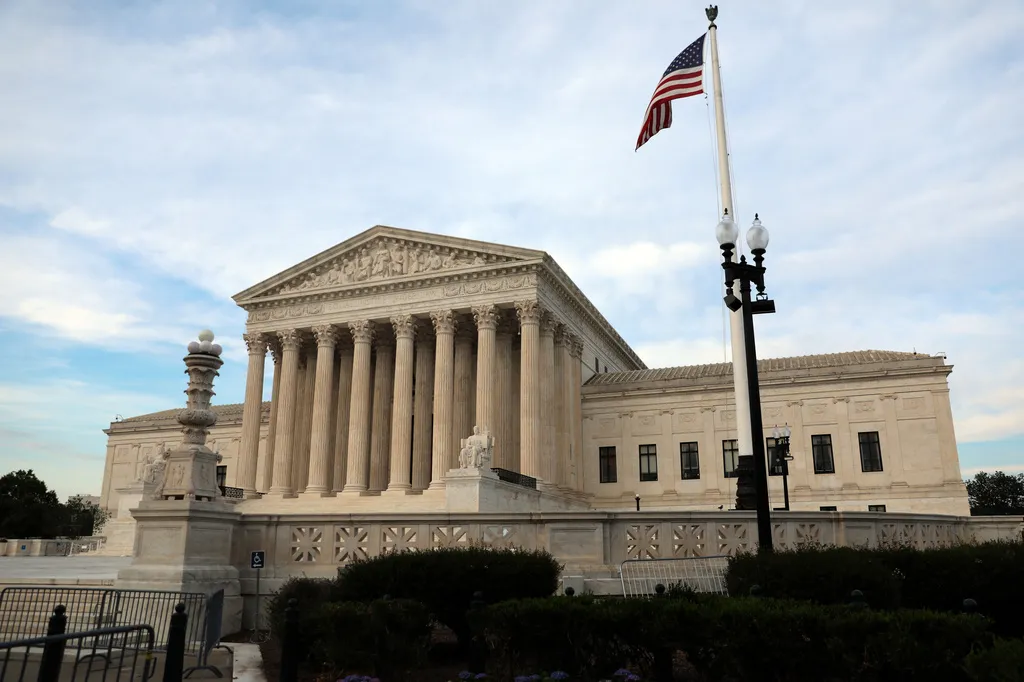
Provpnadvice.com – Last month, the U.S. Supreme Court ruled that property owners do not automatically receive fair market value when their homes are seized by the government to settle tax debts. However, the court emphasized that the process must still meet fairness standards. This decision was centered on the case of the Pung family, whose home in Isabella County, Michigan, was taken over a contested debt of about $2,000. The county sold the property for just $76,000, far below its estimated value of $200,000. Months later, the buyer resold the home for $195,000, leaving the Pungs with less than half the market value they had originally invested in.
A Constitutional Balancing Act
The Pungs had argued that the Fifth Amendment’s Takings Clause requires the government to compensate property owners fully when seizing their homes. Their attorney asserted that the state should not be allowed to strip away equity built over years, which often serves as a financial foundation for retirement or a child’s education. Yet, during the oral arguments, some justices appeared skeptical about mandating fair market value in every instance. The court acknowledged the hardship of losing a home but also considered the practical challenges of ensuring maximum price in tax sales.
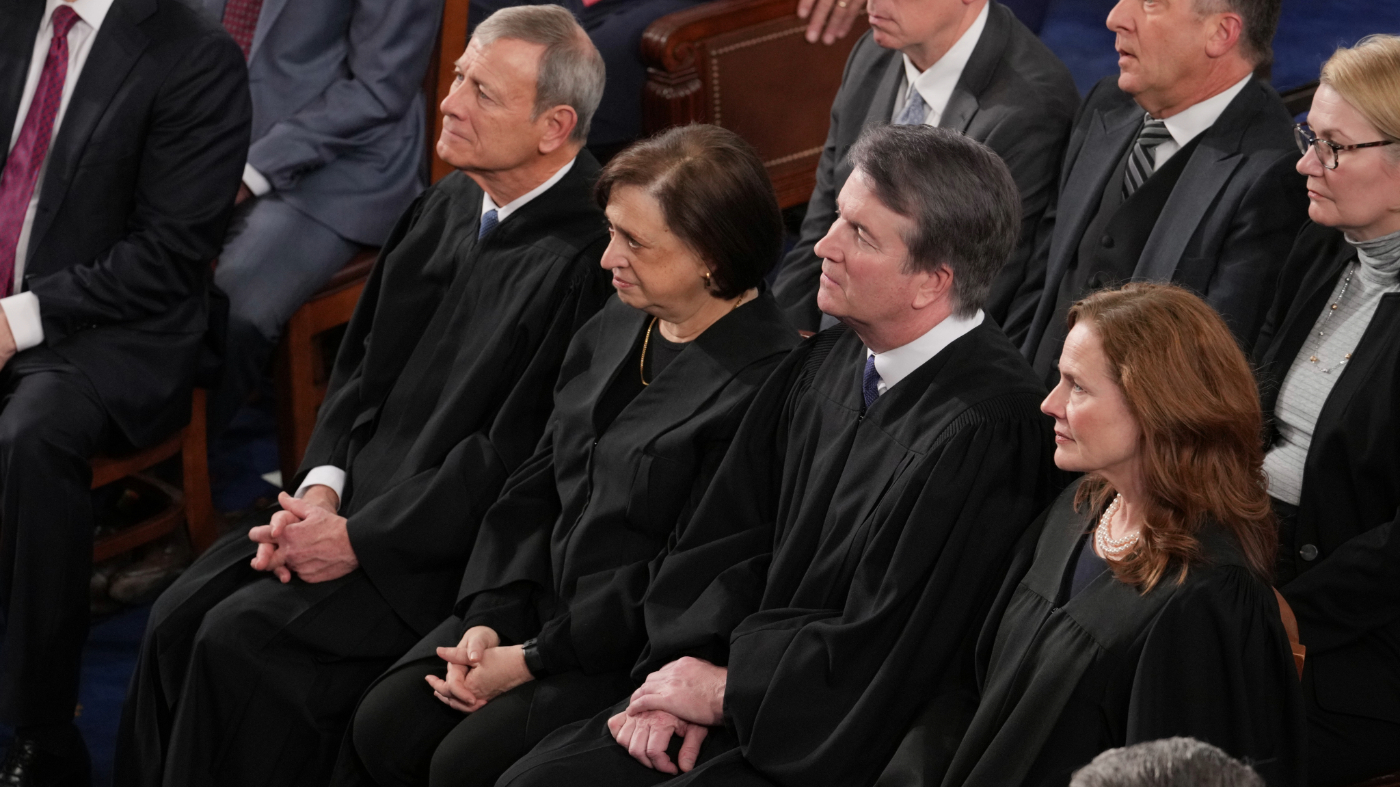
“What Isabella County did to the Pungs was wrong, and, on my initial view, likely unconstitutional,” wrote Justice Clarence Thomas in his concurrence.
The ruling highlights a tension between individual rights and governmental efficiency. While the court agreed that the Pungs’ situation was unjust, it left room for the government to prioritize speed and cost-effectiveness in debt collection. Justice Samuel Alito, in his opinion, pointed out that tax auctions typically result in lower prices due to inherent limitations in the process. He described them as “incompatible” with ordinary methods of maximizing value, suggesting that the system is designed to produce outcomes that favor the state over the homeowner.
The Government’s Justification
During the hearing, the government’s legal representative conceded that even a $100 shortfall in tax payment could justify a home seizure. This admission underscores the broader issue: small debts can lead to significant losses for homeowners. For instance, one Michigan county reportedly took a home when an owner mistakenly underpaid by $8, an amount less than the cost of a single burrito from Chipotle. Such cases raise questions about whether the system is truly fair or if it exploits the vulnerability of individuals with modest financial obligations.
Justice Alito’s rhetorical questions reflected the government’s position: Should the state first target personal items like a Peloton or a large television before seizing a home? He implied that without clear access to a homeowner’s assets, the government has to act quickly, even if the result is a depressed sale. The court’s laughter at these comments suggested a moment of agreement with the government’s perspective, though the justices remained divided on the broader implications of the ruling.
Structural Flaws in the Auction Process
Michigan’s auction procedures, as revealed in the case, were criticized for their lack of safeguards. The system allowed no self-bidding, meaning homeowners could not participate in the sale of their own property. Additionally, there were no minimum reserve prices set, and pre-auction inspections were not required. The result was a predictable outcome: the home was sold for a fraction of its market value, stripping the family of years of equity.
The Supreme Court recognized these flaws but stopped short of overturning the entire process. In the majority opinion, the justices highlighted scenarios where the auction might lack adequate protections, such as “sham sales” or delays in the process that coincide with real estate market crashes. These examples illustrate how procedural shortcuts can exacerbate the injustice of tax debt collection, leaving homeowners with minimal recourse.
Alternatives and Broader Implications
Several states have implemented fairer approaches to tax debt resolution. For example, some require market-rate listings before auction, set minimum bid prices, and incorporate judicial review to ensure transparency. These measures act as guardrails, preventing the government from collecting more than it is owed. The Pung case, however, revealed that Michigan’s system lacked such safeguards, raising concerns about the fairness of similar practices in other jurisdictions.
The ruling now places the burden of determining fairness on the 6th Circuit Court of Appeals, which will decide whether the Pungs are entitled to compensation for their lost equity. This decision could set a precedent for how tax seizures are handled nationwide, influencing future cases where small debts lead to significant personal consequences. The question remains: should the government be allowed to seize a home for a minor shortfall, or does the process need stricter checks to protect homeowners’ rights?
Home Equity and Constitutional Rights
Home equity is often a lifeline for families, especially in times of financial strain. The Pung family’s experience demonstrates how a system meant for debt collection can inadvertently strip away a home’s value. Their attorney stressed that the government should not be permitted to take an entire house simply because a homeowner failed to pay a small amount, drawing a parallel to private creditors who might not seize a home for a similar shortfall.
The Supreme Court’s decision, while not entirely rejecting the idea of fair compensation, suggests that the government has discretion in how it enforces tax debt. This creates a dilemma: while the state must act fairly, it is also under pressure to streamline its processes. The case underscores the need for clear guidelines to ensure that homeowners are not unfairly penalized for financial missteps, even when the debt seems minor.
As the Pungs’ case moves forward, it will serve as a test for the balance between individual rights and governmental authority. The outcome could shape how states handle tax seizures, determining whether homeowners are truly protected from losing their equity in the process. The ruling also invites further debate about the role of the Constitution in ensuring fair treatment during debt collection, especially in cases where the stakes are high and the debt is low.
Anastasia Boden, Director of Constitutional Scholarship at the Pacific Legal Foundation, represented the Pungs in their lawsuit. Her perspective highlights the importance of upholding constitutional principles even in cases involving tax debt, emphasizing that the government must provide “just compensation” when it takes a home. The Pung family’s story is a reminder that the law should not only protect the powerful but also safeguard the vulnerable from systemic inequities in debt collection.