5 cities missing out on hosting FIFA World Cup matches in 2026

Five Cities Missing Out on Hosting FIFA World Cup Matches in 2026
Provpnadvice.com – The FIFA World Cup 2026 is set to bring a surge of international visitors to several U.S. cities, generating significant economic activity. However, not all major metropolitan areas will benefit from this global spectacle. Some cities have been excluded from the host list, leaving their residents disappointed and raising questions about the decision-making process behind the tournament’s venue selection.
Washington, D.C.: The Venue Dilemma
Despite the nation’s capital’s status as a hub of political and cultural activity, it was not chosen to host any World Cup matches in 2026. The city had been preparing for a major event in the lead-up to the Trump administration’s America 250 celebrations, with construction crews working on expanded fencing, musical stages, and beautification projects. These efforts created a backdrop of excitement, leading some to believe D.C. would be a natural fit for the tournament. However, the lack of a suitable venue proved to be the critical issue.
“FIFA’s proposal for Chicago to host in 2026 would have allowed the federation to reap ‘all the benefits’ of the tournament and put too much of a burden on taxpayers,” said former Mayor Rahm Emanuel, highlighting the challenges faced by cities competing for hosting rights.
D.C.’s primary options—Northwest Stadium, home to the NFL’s Washington Commanders, and Audi Field, the MLS home of D.C. United—each have limitations. Northwest Stadium, located in the Maryland suburbs, has been criticized for its impact on fans and commuters during NFL games, with issues related to public transportation and lodging availability. Meanwhile, Audi Field, though strategically situated in the Navy Yard, has a maximum capacity of just 20,000, far below the requirements for hosting international matches. Fans in the DC metropolitan area remain hopeful that the city will host a future World Cup, given its growing appeal for soccer events.
Las Vegas: A Sports Capital Without a Soccer Venue
Las Vegas has emerged as a leading destination for sports and entertainment, boasting a robust infrastructure for hosting large-scale events. The city’s success in attracting NFL, NHL, and MLB franchises has solidified its reputation as a thriving sports market. Indoor venues like the T-Mobile Arena, which regularly hosts UFC fights and boxing matches, are complemented by the rise of legal sports gambling, which has further boosted its appeal. However, Las Vegas’ absence from the World Cup host list is due to a lack of appropriate soccer facilities.
Allegiant Stadium, where the Las Vegas Raiders play, was considered a strong candidate for hosting matches. Yet, its retractable grass field tray fails to meet FIFA’s strict pitch and runoff regulations, according to reports from the Review-Journal. This shortcoming has left local soccer fans to seek matches in Los Angeles or San Francisco, or to watch games at one of the city’s numerous sportsbooks and casinos. Despite this, the World Cup is expected to be the most wagered-on event in history, with total bets anticipated to exceed $60 billion.
Chicago: A Missed Opportunity
Chicago, once a central figure in U.S. soccer during the 2002 World Cup held in Qatar, has seen a decline in its hosting prospects for 2026. The city’s exclusion was not due to a lack of enthusiasm but rather strategic considerations. Former Mayor Rahm Emanuel argued that hosting the tournament would place an undue financial strain on taxpayers, while also offering limited returns for the local economy. His comments underscored the challenges cities face when balancing the costs of hosting with the potential benefits.
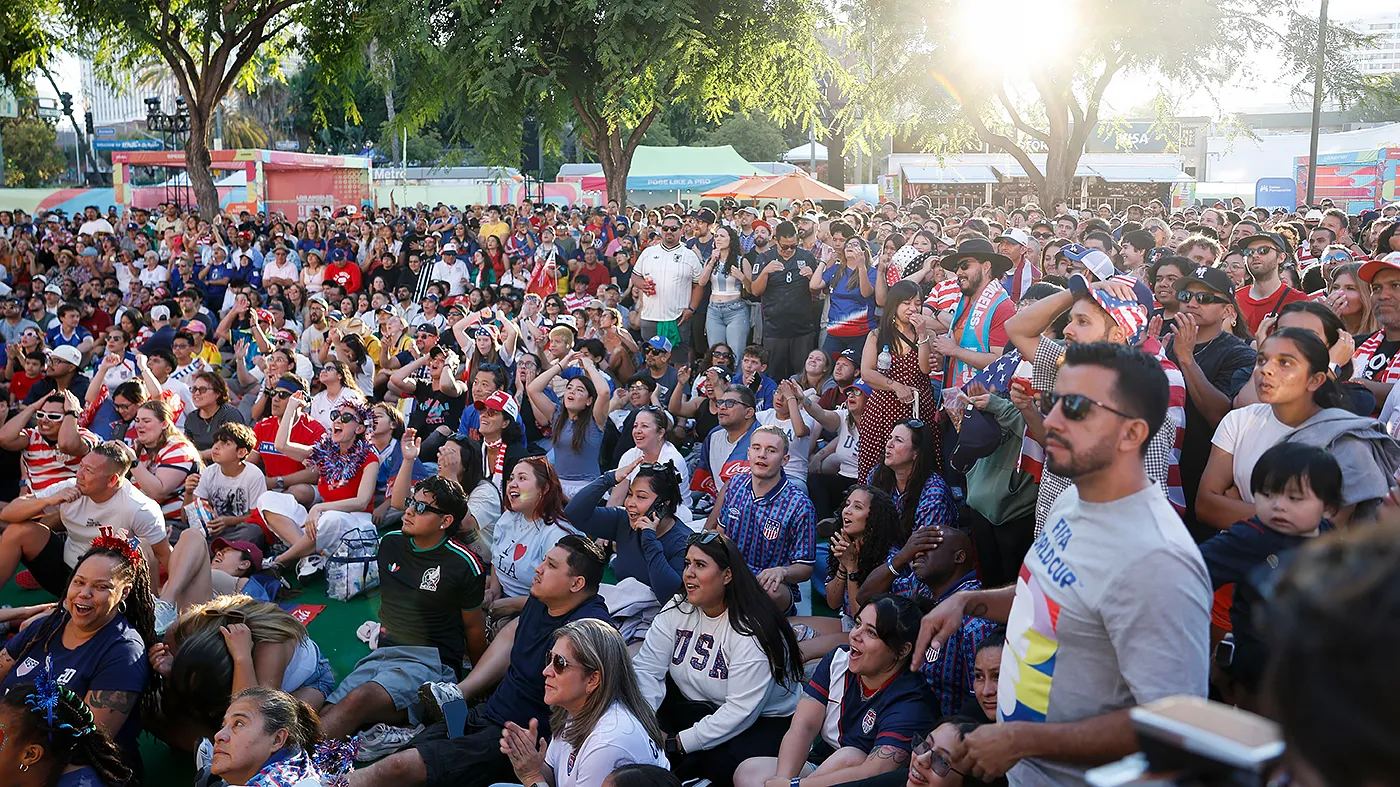
Chicago’s strong commercial performance in Major League Soccer (MLS) and its status as a top-five media market for national advertisers make it a prime candidate for future tournaments. Fans from across the Midwest have flocked to the city this summer for large watch parties, demonstrating the region’s continued interest in the sport. The NFL’s Chicago Bears, however, have added to the city’s mixed fortunes, as they contemplate a controversial move out of Soldier Field. For soccer fans, a World Cup return could be a crucial factor in revitalizing the city’s sports infrastructure.
Other Excluded Cities: Infrastructure and Logistical Challenges
Several other U.S. cities faced hurdles in securing World Cup matches due to infrastructure and logistical constraints. Some municipalities opted to withdraw from the bidding process, citing concerns over the financial burden on taxpayers and the stringent requirements set by FIFA. These requirements often include state-of-the-art stadiums, reliable transportation networks, and sufficient accommodations for thousands of international visitors.
For instance, cities like Phoenix and San Antonio were initially considered for hosting, but their existing venues proved insufficient for the scale of the event. Phoenix’s Sun Devil Stadium, while adequate for smaller matches, lacks the capacity and modern amenities required for high-profile international games. Similarly, San Antonio’s Alamodome, a venue that has hosted numerous events, was deemed too small to meet FIFA’s standards. These cities, along with others, have had to accept that the World Cup will pass them by in 2026.
Broader Impacts on Local Economies
While cities like Los Angeles, Miami, and Dallas are set to see economic gains from the World Cup, the impact on excluded cities may be more nuanced. Economists and tourism experts emphasize that the tournament’s benefits are often felt on a city-by-city or match-by-match basis, depending on the number of visitors and the local infrastructure. For example, cities with existing sports venues and robust hospitality sectors are likely to see immediate revenue from ticket sales, accommodations, and food services.
However, the long-term economic impact of the World Cup may take weeks or even months to materialize. This delay is due to the fact that many of the benefits—such as increased tourism and media exposure—are not immediately tangible. Cities that are not selected must wait to see if the event’s popularity will translate into sustained growth for their local economies. This uncertainty adds to the frustration of residents in excluded cities, who may feel overlooked despite their strong soccer communities.
The decision to exclude certain cities has sparked discussions about the future of soccer in the United States. While the 2026 tournament will be a landmark event, its host cities may face challenges in maintaining the momentum generated by the event. Meanwhile, cities that missed out hope that the tournament will serve as a catalyst for future opportunities, potentially leading to a reevaluation of hosting decisions in the years to come. As the World Cup approaches, the conversation about its economic and cultural impact continues to evolve, with the excluded cities playing a key role in shaping the narrative.