Trump’s $1K investment accounts roll out for eligible newborns

Trump’s $1K Investment Program Launches for Eligible Newborns
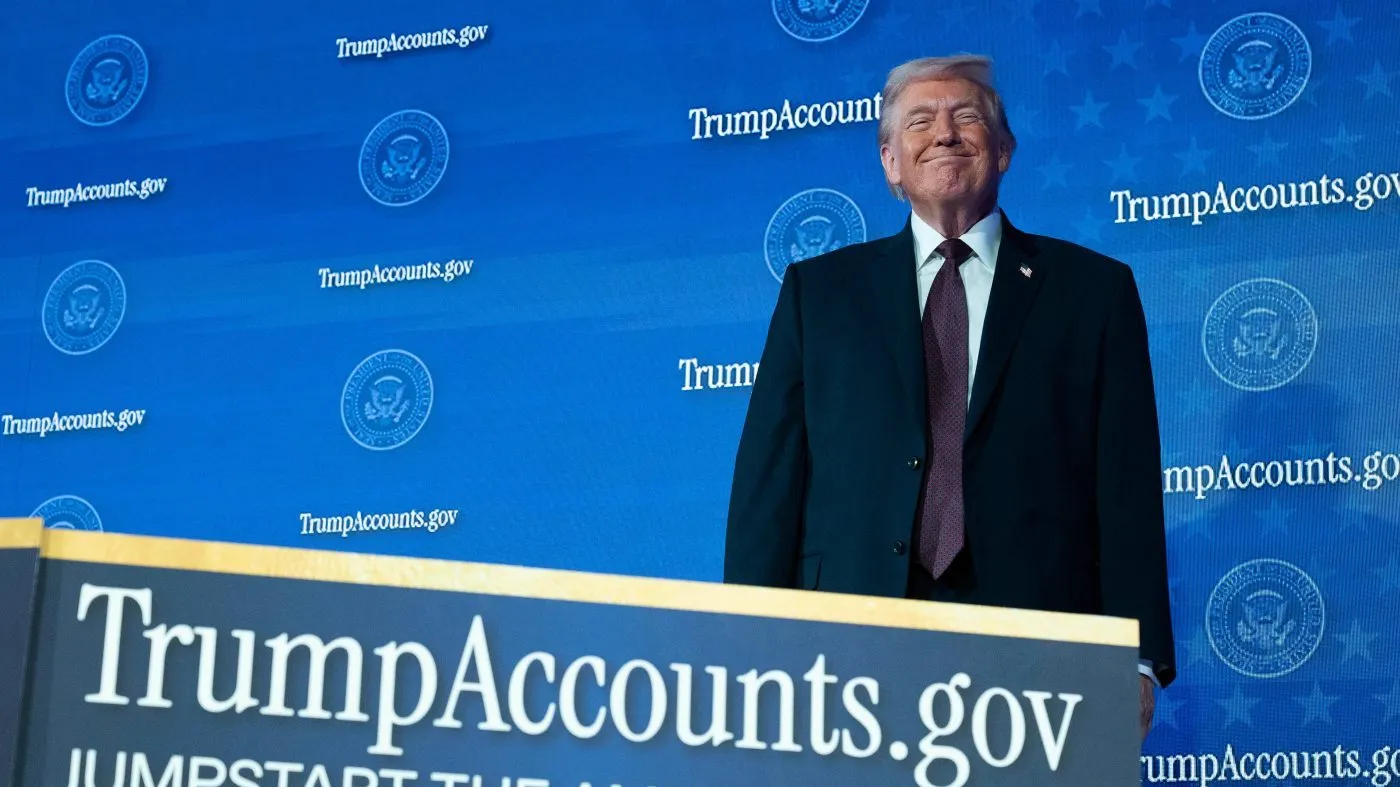
Provpnadvice.com – The Trump administration unveiled its newborn investment initiative on Saturday, introducing “Trump Accounts” as a federal savings program designed for children under 18. This rollout coincides with the nation’s 250th anniversary, aiming to provide financial groundwork for millions of families. The program allows eligible children to receive a federal account, with a $1,000 initial deposit offered to those enrolled during the president’s second term. Participation is open to any child with a Social Security number, making it accessible to a broad demographic.
Eligibility and Enrollment Details
To qualify, children must be born between January 1, 2025, and December 31, 2028. The Treasury Department stated that the initial deposit is contingent upon enrollment, ensuring that families with newborns within this timeframe benefit from the program. The initiative emphasizes simplicity, with no complex application process required for enrollment. Parents or legal guardians manage the accounts until the child reaches 18, at which point the funds become fully accessible.
As of now, over six million Trump Accounts have been established nationwide. A significant portion of these accounts, approximately 1.4 million, are set to receive the $1,000 seed contribution for children born during the current administration’s tenure. The program’s reach is further highlighted by the fact that 86 percent of opened accounts are held by families earning less than $200,000 annually. This statistic underscores the program’s focus on supporting lower- and middle-income households.
President Trump’s Vision for the Program
“It’s a beautiful thing,” Trump remarked during an interview with CNBC. “When a baby is born without any money, by the time they become adults, they could have hundreds of thousands, maybe even more.”
The president’s remarks frame the program as a long-term wealth-building tool, offering a financial head start for children. While the funds are technically owned by the child, they remain under the control of parents or guardians until the child reaches 18. This structure is intended to encourage responsible management of resources while ensuring the child has access to the money when needed most.
Account Structure and Investment Options
Trump Accounts operate similarly to traditional IRAs, allowing for tax-deferred growth of funds. Investors can choose to allocate assets into U.S. stock index funds or exchange-traded funds (ETFs), with the default option being an ETF that mirrors the S&P 500’s performance. This default choice aims to provide a balanced and low-risk investment strategy for families unfamiliar with market options.
The program’s design includes specific use cases for the funds, such as education expenses, launching a business, or making a down payment on a first home. These provisions are intended to give families flexibility in how they utilize the money. However, withdrawals for non-qualified purposes are subject to taxes and penalties, much like retirement accounts. This structure ensures the funds remain a dedicated resource for future financial needs.
Broader Economic Context
The Trump Accounts are part of a larger fiscal policy known as the Working Family Tax Cuts, which was signed into law by the president. This initiative is estimated to cost $17 billion by 2028, according to the nonpartisan Committee for a Responsible Federal Budget. While the program is framed as a tool for expanding stock ownership, critics argue it represents a significant federal expenditure. Nonetheless, proponents highlight its potential to create generational wealth and reduce economic inequality.
Parents and families can contribute additional funds to the accounts, though these contributions do not qualify for immediate tax deductions. Employers, however, may make pre-tax contributions to their employees’ children’s accounts, offering a tax-free benefit to the employee. This dual contribution model encourages both personal and corporate participation in the program, enhancing its scalability.
Corporate and Donor Support
Corporate backing has been a key component of the program’s success. Over 50 companies, including Uber and Intel, have publicly committed to contributing to the accounts of their employees’ children. This partnership with private entities is seen as a way to leverage additional resources for the initiative. However, the program has also drawn attention from high-profile figures, such as Elon Musk, who is expected to donate stock to the accounts. While Musk has not yet confirmed this, his potential involvement could signal broader industry support.
Nonprofit organizations have also shown interest in the program. The Michael & Susan Dell Foundation has pledged $6.25 billion to supplement deposits for low-income children who do not qualify for the federal $1,000 contribution. This funding aims to bridge the gap for families who may not benefit from the initial deposit, ensuring greater inclusivity. The foundation’s contribution highlights the program’s role in addressing financial disparities among different income levels.
Long-Term Impact and Future Prospects
The estimated value of a Trump Account with the initial $1,000 deposit could grow to $6,000 by the time the child turns 18. This projection is based on historical market performance and assumes consistent investment returns. While the program’s success hinges on market conditions, its long-term potential is seen as a way to instill financial literacy and savings habits from an early age.
As the program expands, it could serve as a model for future federal initiatives aimed at supporting early childhood investments. By tying the accounts to the broader tax cuts, the administration hopes to create a comprehensive approach to economic empowerment. The combination of federal and private contributions could set a precedent for collaborative financial planning in the United States.