Mt. Olive Pickle Co. exits Great American State Fair over Confederate flag

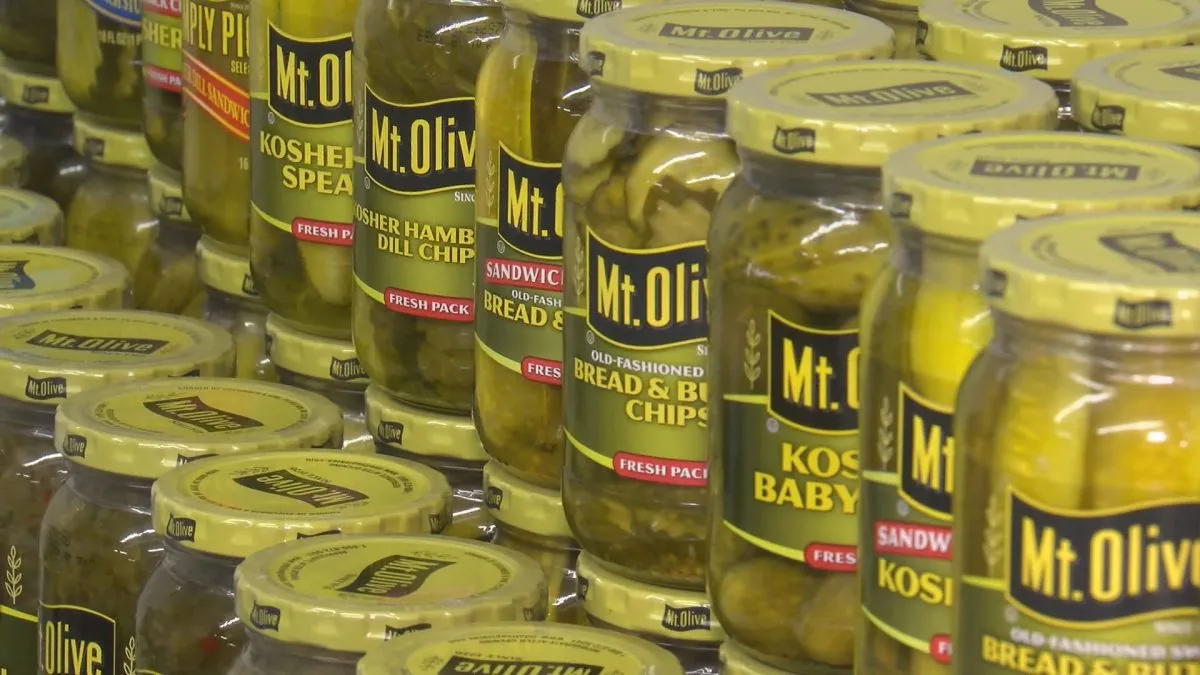
Mt. Olive Pickle Co. Withdraws from Great American State Fair Amid Confederate Flag Controversy
Provpnadvice.com – Mount Olive-based pickle producer Mt. Olive Pickle Co. has decided to remove its presence from the Great American State Fair in Washington, D.C., following the inclusion of a Confederate flag in a state-sponsored exhibit. The company, known for its long-standing legacy in North Carolina, expressed disappointment with the decision to withdraw, citing a conflict between the symbol and its core values. The move has sparked discussions about the role of historical imagery in modern state events and the impact of such choices on corporate participation.
Exhibit Choice Sparks Company’s Decision
The company, which has operated for decades in the Carolinas, was invited to take part in a North Carolina-themed display at the fair. According to the firm’s statement, the exhibit was intended to showcase the state’s cultural and economic achievements. However, the inclusion of the Confederate flag in a promotional video led to a reassessment of their involvement. “We agreed to support the exhibit as presented, but the Confederate flag became a point of contention,” the company explained. This decision reflects a broader debate over the use of historical symbols in contemporary settings.
“Our company stands on values of human dignity, opportunity, and freedom. The Confederate flag, while historically significant, does not align with our vision of representing North Carolina’s best.”
The North Carolina exhibit was one of several that faced challenges in securing participation due to financial limitations. Initially, the state had announced its intention to withdraw from the fair, but local businesses stepped in to ensure their representation. Despite this, the controversy over the Confederate flag remains a focal point for the company and its supporters.
Confederate Flag in the Spotlight
The Confederate flag was featured prominently in a video that played at the North Carolina booth. The flag, often associated with the Civil War and the history of slavery, became a symbol of division during the fair. Mt. Olive Pickle Co. stated it was not initially aware of the flag’s inclusion, which prompted its withdrawal. “We were unaware of the imagery being used until it was presented to us,” the company clarified. This revelation led to an immediate decision to remove their participation, highlighting the importance of transparency in exhibit planning.
The decision has drawn attention to the symbolic weight of the Confederate flag in public spaces. While some view it as a representation of Southern heritage, others argue it perpetuates the legacy of racial inequality. The inclusion of the flag in the North Carolina exhibit has raised questions about how states balance historical pride with contemporary values. For Mt. Olive, the choice to exit the fair underscores its commitment to aligning with a vision of unity and progress.
State Fair Continues with Other Exhibits
Although Mt. Olive Pickle Co. has left the event, the North Carolina booth remains active, featuring a variety of local enterprises. One notable presence is Operation Helo, a nonprofit organization that provides disaster relief services. Visitors can engage with representatives to learn about how the group mobilizes resources in the wake of natural disasters. “Operation Helo is dedicated to rapid response and community support,” a spokesperson noted, emphasizing the group’s role in maintaining public safety.
Other highlights at the booth include a NASCAR stock car from Richard Childress Racing, allowing attendees to pose for photos and experience the sport’s cultural impact. The car, part of a broader promotional effort, reflects the state’s deep connection to motorsports and its place in the national arena. These exhibits aim to showcase North Carolina’s diverse contributions, from agriculture to entertainment, even as the Confederate flag controversy continues to shape public perception.
Legacy and Controversy in Tension
Founded over 100 years ago, Mt. Olive Pickle Co. has long been a staple of North Carolina’s food industry. Its products, such as iconic dill pickles, are celebrated for their craftsmanship and regional authenticity. The company’s withdrawal from the state fair marks a significant shift in its public engagement strategy, driven by the desire to uphold its values amid growing social awareness. “We wanted to ensure our participation reflected the spirit of the state we represent,” a company representative said.
Meanwhile, the Great American State Fair, which has been held annually in Washington, D.C., since 2004, continues to draw thousands of visitors. The event serves as a platform for state-sponsored exhibits, agricultural displays, and cultural celebrations. This year’s fair, however, has seen increased scrutiny over its representation of Southern history. The Confederate flag’s presence has sparked conversations about the need to incorporate diverse narratives into such events.
North Carolina’s participation in the fair has been a point of pride for many residents, who see it as a way to highlight the state’s economic strength and cultural heritage. The company’s decision to withdraw, while impactful, does not diminish the broader efforts of North Carolina’s business community to maintain visibility at the event. “Local companies have shown remarkable dedication to keeping the state’s presence strong,” Gabrielle Caracciolo, a Nexstar Washington correspondent, observed in her report.
Broader Implications for State Events
The situation at the Great American State Fair illustrates the growing influence of corporate values on public events. As companies become more socially conscious, they are increasingly expected to align their brand image with the values they promote. This shift is part of a larger trend where businesses use their platforms to address issues of race, history, and identity. “The fair is not just about showcasing products, but also about reflecting the communities they represent,” said a local business leader.
Mount Olive Pickle Co.’s exit has also prompted a reevaluation of how historical symbols are integrated into state exhibits. While the Confederate flag is a well-known emblem, its placement in the North Carolina booth has raised concerns about its relevance to modern audiences. “The flag is a powerful image, but its meaning can vary depending on context,” the company stated in its official communication. This nuanced perspective underscores the complexity of representing a state’s history in a way that resonates with all its residents.
As the fair progresses, organizers are likely to face pressure to address the controversy. Some have called for a review of the exhibit’s content, while others argue that the flag should remain as a tribute to the state’s past. Regardless of the outcome, the decision by Mt. Olive Pickle Co. highlights the ongoing dialogue about how historical symbols shape public discourse and corporate identity. The company’s choice to step back from the event reflects a growing willingness to prioritize values that resonate with a more inclusive vision of the state’s heritage.
The Great American State Fair, with its 16-day run, continues to be a hub for state representation and cultural exchange. While the presence of the Confederate flag has created a moment of tension, it also serves as a reminder of the challenges states face in balancing tradition with contemporary sensibilities. For Mt. Olive Pickle Co., the fair was an opportunity to celebrate North Carolina, and its decision to withdraw marks a strategic step to ensure that its message remains consistent with its mission.
As the fair concludes, the debate over the Confederate flag and its place in state events is expected to linger. The move by Mt. Olive Pickle Co. has set a precedent for other businesses to reconsider their participation, emphasizing the power of symbols in shaping public perception. Whether this decision signals a broader trend or a one-time response remains to be seen, but it has already sparked important conversations about the role of history in modern state fairs.