White House to launch Trump Accounts on July 4

White House to Launch Trump Accounts on July 4
Provpnadvice.com – The Trump administration is set to unveil a new financial initiative on July 4, designed to enhance the economic prospects of millions of American children under the age of 18. This program, officially named “Trump Accounts,” aims to provide a structured way for families to invest in their children’s futures, leveraging tax incentives and streamlined processes to make long-term wealth-building accessible.
Program Overview and Eligibility
According to the IRS, the Trump Accounts will be open to children whose parents establish the accounts before the end of the calendar year in which they are born. This ensures the program is available to a broad demographic, including families with lower incomes. The initiative was established under the One Big Beautiful Bill Act, a tax and spending measure signed into law nearly a year ago by President Trump.
The program operates as a type of individual retirement account (IRA) but with unique features. Unlike traditional IRAs, which often require contributions from working adults, Trump Accounts are tailored for children, allowing parents, relatives, and other caregivers to invest on their behalf. A key aspect of the program is its exemption from gift tax, which means contributions can be made without triggering tax obligations for the donors.
Contribution Limits and Funding
Starting on July 4, eligible families can begin contributing to their child’s account, with a maximum annual limit of $5,000. This cap is set to increase with inflation beginning in 2028, reflecting the administration’s commitment to adapt the program to economic shifts. The Treasury Department has also announced its own contribution, providing $1,000 to accounts for children born between January 1, 2025, and December 31, 2028. Several companies have pledged to match this amount for children of employees, expanding the program’s reach.
Additionally, the Treasury Department will accept tradable stocks as contributions, broadening the options for investors. Treasury Secretary Scott Bessent highlighted this change, stating that the move “makes it easier for philanthropists to help American children build long-term financial security.” He further emphasized that the initiative “creates a practical pathway for large-scale private giving to support the next generation,” aligning with the administration’s broader goals for economic empowerment.
Quotes and Expectations
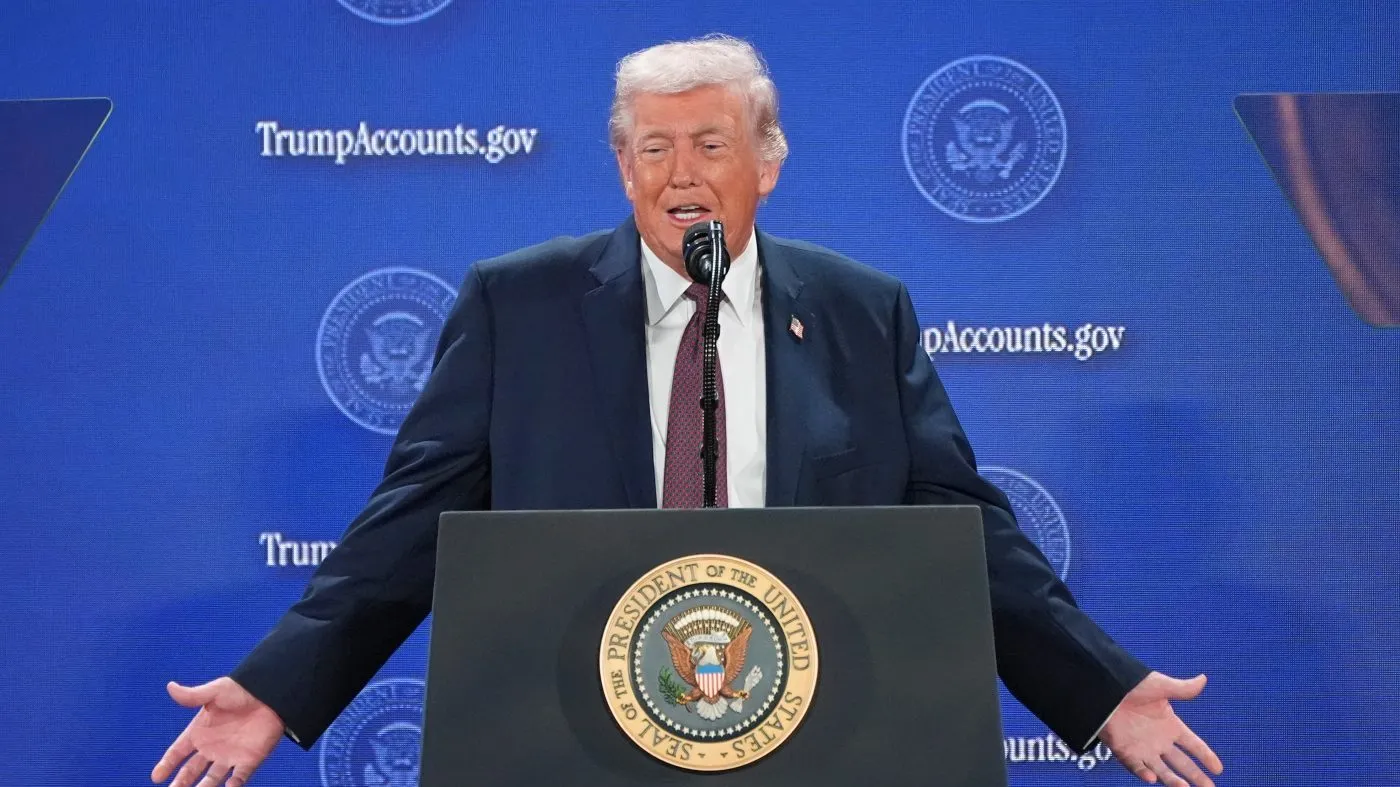
“Decades from now, I believe the Trump Accounts will be remembered as one of the most transformative policy innovations of all time,” President Trump stated at an event promoting the initiative in January. His comments underscore the administration’s optimism about the program’s long-term impact, positioning it as a cornerstone of their economic strategy.
Administration officials have argued that the initiative will help level the playing field for working-class families, particularly as affordability remains a pressing concern. A senior official noted that more than 85 percent of Trump Accounts opened are linked to families earning less than $200,000 annually, highlighting its accessibility. “Today, 38 percent of Americans do not own stock,” the official added. “With Trump Accounts, every newborn child will be invested in the stock market on day one, along with millions of other children.”
Foster Children and Philanthropy
A special effort led by First Lady Melania Trump ensures that foster children in participating states receive accounts through a partnership with welfare agencies. These agencies are tasked with encouraging early investments, a measure intended to address systemic gaps in financial education and opportunity. Beyond government support, philanthropic organizations have also joined the initiative, with the Dell Foundation committing to sponsor 25 million accounts for children in zip codes with median incomes of $150,000 or less, requiring a $250 initial deposit.
Implementation and Outreach
To promote the program, the Treasury Department has launched nationwide billboards, urging parents to download the Trump Account app. This digital platform will serve as a central hub for managing contributions and accessing educational resources. The app’s curriculum, curated by the Financial Literacy and Education Commission, is designed to teach families about investing and financial planning, fostering long-term awareness.
Officials have also hinted at upcoming brand partnerships to further amplify the initiative’s visibility. These collaborations aim to engage new audiences, including families with newborns and those in medical facilities, ensuring the program reaches even the most vulnerable populations. The White House emphasizes that the goal is to make Trump Accounts universally accessible, guaranteeing that every eligible child benefits from the policy.
Public Reception and Challenges
While the administration touts the program as a revolutionary step, some analysts question its long-term effectiveness. Critics argue that the initiative’s success hinges on widespread participation and sustained interest. However, the Treasury Department remains confident, stating that the accounts will “spur a new era of financial security for American families.”
Despite these assurances, the program’s impact will depend on factors such as parental engagement, the ease of using the app, and the continued support from private sector partners. The inclusion of stock contributions, for example, may attract wealthy donors, but it could also create complexities for families unfamiliar with the stock market. As the launch approaches, the White House is working to simplify the process, ensuring that the program’s benefits are clear and achievable for all participants.
Broader Implications
Trump Accounts represent a significant shift in how the federal government approaches financial education. By targeting children early, the program seeks to instill lifelong habits of investing and saving, potentially reducing the wealth gap over time. However, its success will also depend on the economic climate and the administration’s ability to maintain public support.
With the initiative now poised to launch, the White House has outlined a multi-pronged strategy to maximize its reach. This includes partnerships with private entities, educational campaigns, and the integration of technology through the Trump Account app. As families begin to sign up and contribute, the program will serve as a test case for how government-led financial tools can complement individual efforts in wealth creation.