The other affordability crisis: water

The Other Affordability Crisis: Water
Provpnadvice.com – In the past year, affordability has become a recurring theme in political discourse, shaping conversations around public policies and electoral campaigns. This focus on rising costs reflects widespread concerns about the financial strain on everyday essentials, from housing and healthcare to groceries and transportation. Yet, amid these discussions, one critical need—water—remains underrepresented, despite its growing role in the affordability debate.
A Growing Concern for Water Costs
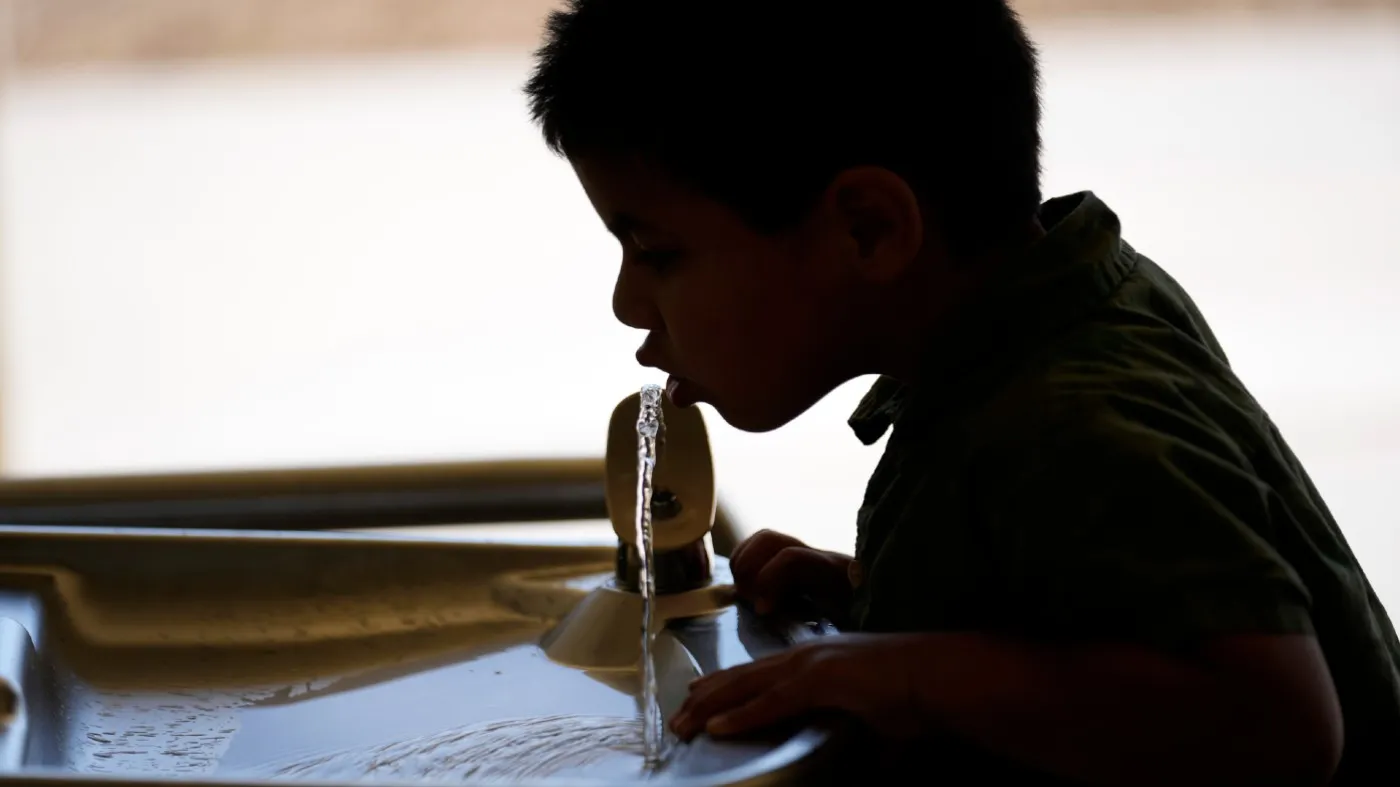
Water, often taken for granted, is now facing its own affordability challenge. A recent survey conducted by a coalition of organizations, including the American Water Works Association, reveals that over 25% of Americans now find their water bills unmanageable. This marks the highest percentage recorded in a decade of such polling, underscoring a shift in public sentiment about the rising cost of this vital resource.
“Their perception is increasingly reality,”
the report notes, highlighting that empirical data aligns with the public’s growing unease. The cost of drinking water, which flows from our taps daily, is climbing, and without intervention, this trend is expected to intensify. For many households, the question is no longer whether they can afford water—it’s whether they can afford to keep it running.
Drivers of Rising Water Expenses
The financial burden on water utilities stems from multiple factors. Labor and material costs have surged alongside broader inflation, pushing operational expenses higher. Additionally, regulatory mandates, such as the replacement of lead pipes and the elimination of perfluoroalkyl and polyfluoroalkyl substances (PFOAs and PFOS)—commonly referred to as “forever chemicals”—are adding pressure to budgets. These measures are essential for public health but require significant investment.
Communities are also grappling with the need to fortify their systems against natural disasters, climate-related weather events, and cyber threats. As infrastructure ages and demands grow, utilities face a dual challenge: maintaining reliability while keeping costs in check. The report emphasizes that these pressures are not isolated; they are part of a systemic issue affecting water affordability across the country.
Rate Increases and Economic Strain
To cover these escalating expenses, water utilities are increasingly raising rates for consumers. While this strategy helps balance budgets, it disproportionately impacts lower-income households. These families are already contending with the soaring prices of food, housing, and other necessities, leaving them vulnerable to further financial strain. The report estimates that roughly 10.2 million U.S. households, or 7.8% of all households, are classified as “water burdened”—a term that describes when water costs exceed 2.5% of a household’s income.
For those in the lowest income brackets, the burden of rising water bills is especially acute. Even as the broader economy tightens its grip on wallets, water remains a foundational need, and its cost is a critical indicator of overall affordability. The report warns that without proactive measures, this issue will only deepen, forcing difficult trade-offs on families who cannot afford to cut back.
Federal Solutions to Bridge the Gap
Addressing water affordability requires targeted federal action. The report identifies several proven mechanisms, including loan programs, that can alleviate the financial strain on both utilities and consumers. For instance, the Drinking Water State Revolving Fund and the Clean Water State Revolving Fund have long provided low-interest financing to support infrastructure projects. However, these programs need reauthorization and full funding to maintain their effectiveness.
Similarly, the Water Infrastructure Finance and Innovation Act offers tools to streamline investments in water systems. These programs not only reduce costs but also ensure long-term sustainability. Yet, their success depends on political will and timely appropriation. As the 2027 fiscal year approaches, Congress has a pivotal opportunity to expand these initiatives and provide relief to communities in need.
Temporary Relief and Long-Term Investment
One immediate solution is the revival of the Low-Income Household Water Assistance Program. This temporary initiative, which expired in 2024, helped low-income Americans cover their water expenses during periods of heightened demand. With new legislation proposed in Congress, the program could be reinstated, offering critical support to households struggling to meet basic needs.
The report also underscores the importance of long-term investment. Communities nationwide spend an average of $33.6 billion annually on capital projects for water systems, but this amount falls far short of the $90.2 billion required to meet projected needs over the next 25 years. Without this funding, utilities will be forced to make difficult choices, potentially compromising service quality or increasing costs for all consumers.
Pathways to a Sustainable Future
Water affordability is at a critical juncture, and federal action can pave the way for lasting solutions. By investing in infrastructure, modernizing systems, and expanding access to financial tools, policymakers can ensure that water remains a reliable and affordable resource. The stakes are high: without intervention, the rising cost of water could become a defining issue in the next decade, impacting millions of Americans.
Public awareness and advocacy will also play a key role. As families face the reality of unaffordable water, it is imperative that the broader affordability crisis includes this essential component. The report serves as a call to action, urging stakeholders to prioritize water costs in the national conversation and take steps to secure its affordability for generations to come.
While no single solution can resolve the issue overnight, the combination of federal investment and policy innovation offers a clear path forward. The time to act is now, before the rising cost of water becomes an insurmountable barrier to everyday life.