GOP infighting over SAVE America Act leaves critical legislation in limbo

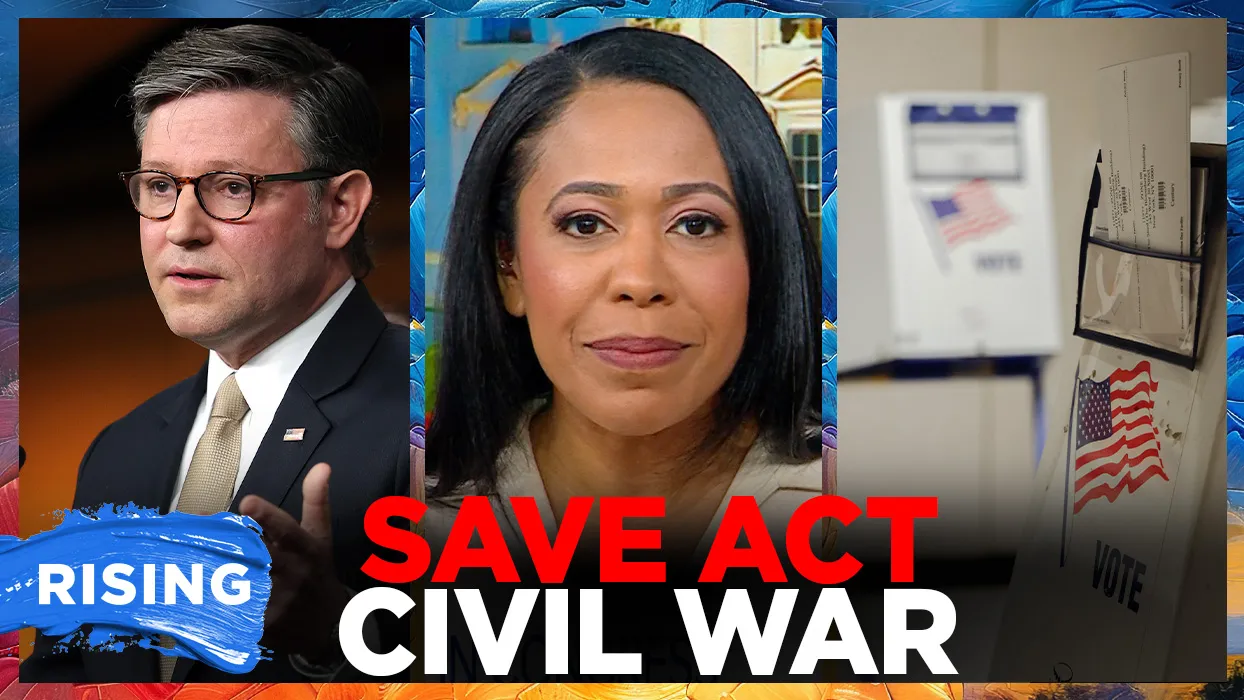
GOP infighting over SAVE America Act leaves critical legislation in limbo
Provpnadvice.com – House Republicans have found themselves stalled again this week, with the SAVE America Act at the center of the controversy. For the second consecutive week, the party’s legislative agenda has been disrupted by internal disputes over the president’s proposal, which is designed to alter voting rules in federal elections. The latest impasse emerged as 14 Republicans cast votes against advancing the annual defense authorization bill, a must-pass measure that funds and sets policy for the U.S. military. Their decision stemmed from the belief that the defense bill should include the SAVE America Act, which they argue is essential to secure voting rights for American citizens. The procedural vote to move the defense bill forward failed, casting doubt on even the most urgent legislative priorities.
A Strategy of Leverage
Over the past several weeks, President Trump has employed a series of unrelated bills as bargaining tools to push the SAVE America Act through Congress. The strategy began with a bipartisan housing initiative, then shifted to renewing the FISA surveillance program, and now has reached the annual defense bill. This tactic has allowed the White House to frame the SAVE Act as a critical issue, even as it remains the subject of debate over its practical impact. Supporters claim the legislation is necessary to ensure that only U.S. citizens cast ballots in federal elections, yet federal law has long restricted noncitizen voting, with documented cases remaining exceedingly rare. Despite this, the act has become a focal point for partisan maneuvering, with House conservatives repeatedly demanding its inclusion in other bills.
The Senate, however, has emerged as the primary obstacle. While the House has already passed the SAVE America Act three separate times, the upper chamber has not yet secured the votes needed to overcome a filibuster. Many Senate Republicans have openly acknowledged this reality, yet the White House and House conservatives continue to press for solutions. This divide has led to a growing sense of frustration, particularly as the defense bill — which is vital for sustaining military operations — hangs in the balance. The act’s inclusion in this legislation has become a symbolic battleground, with the stakes of delay growing higher as the legislative calendar tightens.
Internal GOP Conflict
The clash over the SAVE America Act has sparked a rift within the House Republican conference. Some conservatives accuse Speaker Mike Johnson of breaking his word, arguing that he had promised to attach the act to the defense bill as a way to secure its passage. When that promise was not fulfilled, a faction of the party turned against the legislation, effectively blocking it from moving forward. This revolt highlights the deepening divisions among Republicans, with ideological purists prioritizing the SAVE Act over other pressing priorities.
The conflict escalated after the vote, with tensions spilling into public statements. Congressman Max Miller, a prominent House member, criticized Speaker Johnson during an interview with Punchbowl News, stating, “There’s one common problem here. It’s always been one person, and for someone who’s got the holiest tongue in the world, he lies more than anyone I’ve ever met.” This remark underscores the personal dynamics at play, as the fight over the act has become a test of loyalty and trust within the Republican leadership. The quote also reflects the growing perception that the SAVE America Act is more about political theater than substantive policy, with its inclusion in must-pass legislation serving as a strategic move to advance a broader agenda.
The Broader Implications
Supporters of the SAVE America Act argue that it is a necessary step to protect the integrity of the electoral process. They contend that the legislation would prevent noncitizens from influencing federal elections, a concern they frame as a national emergency. However, critics question the urgency of this effort, pointing out that noncitizen voting has been a longstanding issue with minimal impact. They argue that the act could inadvertently create barriers for millions of eligible Americans who lack immediate access to documents such as passports or birth certificates, adding significant administrative burdens to the voting process.
As the debate continues, the broader implications of this strategy become apparent. By tying the SAVE America Act to must-pass bills, Republicans have transformed a single legislative proposal into a multifaceted political tool. This approach has forced Congress to prioritize the act over other critical measures, such as defense funding and housing policy. The result is a legislative environment where key priorities are being sidelined in favor of a partisan cause, even as the Senate’s filibuster remains an insurmountable hurdle. The irony of this situation lies in the fact that the SAVE America Act, which the president has called a “national emergency,” is now being used to negotiate across unrelated issues, raising questions about its true purpose.
The battle over the SAVE America Act has also exposed the challenges of maintaining party unity in a polarized Congress. While the House has struggled to advance the legislation, the Senate’s inability to pass it has left the entire process in limbo. This stalemate has prompted calls for compromise, yet the demands of House conservatives have only intensified the conflict. The procedural votes and political maneuvering have created a cycle of delay, with each failure to pass the act fueling further dissatisfaction among lawmakers. The situation has become emblematic of a larger trend in which critical legislation is increasingly treated as a bargaining chip in a partisan struggle, rather than a standalone policy goal.
As the debate over the SAVE America Act continues, the question remains: is this fight truly about protecting American democracy, or is it a strategic move to consolidate power within the GOP? The act’s proponents believe that its provisions are essential to safeguard the electoral process, while opponents argue that it is being used to manufacture a crisis where one may not exist. Regardless of the outcome, the infighting over this legislation has already disrupted the flow of critical policymaking, with the defense bill serving as a prime example of the unintended consequences of such tactics. The broader political landscape now hinges on whether Republicans can reconcile their differences or continue to use the legislative process as a means of advancing their own agenda, even at the expense of must-pass bills.
Lindsey Granger, a NewsNation contributor and co-host of The Hill’s commentary show “Rising,” has provided a detailed analysis of this situation. Her column, an edited transcription of her on-air commentary, highlights the growing tension between the White House and House conservatives, as well as the Senate’s role in prolonging the debate. The SAVE America Act, once a simple legislative proposal, has now become a symbol of the GOP’s internal divisions and its willingness to use procedural tactics to achieve political ends. As the legislative calendar moves forward, the question of whether this bill will finally pass — or remain a point of contention — will likely define the party’s ability to govern effectively in the coming months.