EPA approves pesticides that may be considered ‘forever chemicals,’ though it disputes that label

EPA Approves Pesticides That May Be Considered ‘Forever Chemicals,’ Though It Disputes the Label
Provpnadvice.com – The Environmental Protection Agency (EPA) has given the green light to three new pesticides, which some experts argue could be classified as “forever chemicals” under international guidelines. However, the agency maintains that these substances do not fit the broader definition of PFAS (per- and polyfluoroalkyl substances) and instead falls under a more restricted categorization. This decision has sparked debate over the classification of these compounds and their potential environmental and health impacts.
Chemical Properties and Definitions
At the heart of the controversy lies the molecular structure of these approved pesticides. They contain compounds with carbon-fluorine bonds, which are exceptionally stable and resistant to degradation. This durability, while beneficial for long-lasting pest control, raises concerns about their persistence in ecosystems and accumulation over time. Nathan Donley, a director at the Center for Biological Diversity, highlighted this issue, stating, “They’re all breaking down into things that are going to stick around forever.”
Donley’s remarks reference the OECD’s (Organization for Economic Cooperation and Development) definition of “forever chemicals,” which encompasses any substances that resist natural breakdown processes. The OECD’s broader criteria have led to the classification of various fluorinated compounds as PFAS, a group known for their long-term presence in the environment. Yet, the EPA has drawn a clearer line, asserting that its own definition of PFAS excludes molecules with only one fluorinated carbon chain.
EPA’s Rationale and Regulatory Framework
According to an EPA spokesperson, the agency’s definition of PFAS was finalized in 2023 by the Biden administration’s Office of Pollution Prevention and Toxics. This definition requires at least two fluorinated carbons, distinguishing it from single-fluorinated-carbon compounds. “The exclusion of single-fluorinated-carbon compounds was deliberate, grounded in extensive scientific evidence and public input,” the spokesperson explained. “Molecules with only one fluorinated carbon lack the persistence and bioaccumulation properties that define all PFAS.”
The approval of the three pesticides—epyrifenacil, diflufenican, and trifludimoxazin—was based on the prior administration’s regulatory standards. Under these standards, the chemicals are not classified as PFAS. The EPA emphasized that its evaluation process considers both persistence and bioaccumulation, factors that single-fluorinated-carbon compounds are said to lack. “Persistence and bioaccumulation are precisely the properties EPA’s review examines,” the spokesperson said, “and they are exactly what single-fluorinated-carbon compounds lack—which is why the Biden EPA drew its PFAS line where it did.”
Health and Environmental Concerns
Despite the EPA’s position, the approval has drawn criticism from environmental advocates. PFAS chemicals are notorious for their ability to linger in the environment and accumulate in the food chain, linking them to a range of health issues. These include cancer, disruptions to the immune system, and challenges to fertility. While the agency noted that “suggestive evidence” suggests trifludimoxazin could pose cancer risks, it argued that the usage limits imposed during approval would mitigate these dangers.
Animal studies revealed further concerns. Epyrifenacil, for instance, was found to affect liver and blood functions in test subjects. Diflufenican also showed similar impacts, though the specific health risks associated with it were less detailed in the report. Trifludimoxazin, meanwhile, was linked to thyroid and liver effects in rats, adding to the scrutiny surrounding its long-term safety.
Impact on Agriculture and Ecosystems
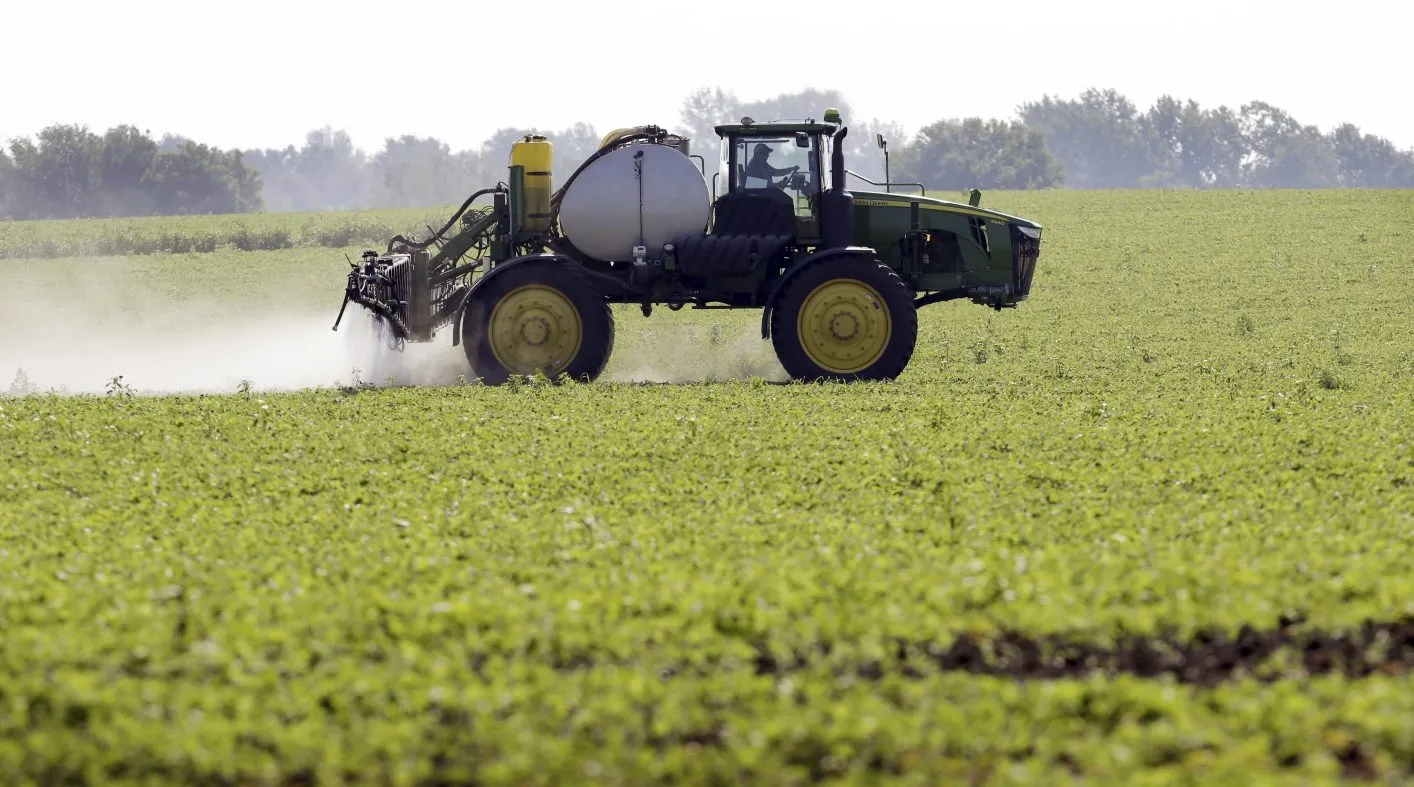
The EPA defended its decision by emphasizing the practical benefits of the pesticides. “They help farmers control economically damaging, herbicide-resistant weeds like Palmer amaranth,” the spokesperson said, “and they support regenerative, soil-health practices like no-till—alternatives to intensive tillage that increase runoff and erosion.” This argument underscores the agency’s focus on balancing agricultural needs with environmental considerations.
However, critics argue that the long-term consequences of these approvals could outweigh short-term benefits. Donley warned that the chemicals’ persistence means their effects will outlast many of the previous administration’s policies. “Releasing forever chemicals is a forever decision,” he said. “Once that pesticide is applied, the lasting damage is cemented, and there’s no going back.”
Broader Implications and Public Reaction
The approval of these pesticides is part of a larger trend. Last year, the EPA also granted licenses to two other substances that meet the OECD’s PFAS definition, prompting outrage from the “Make America Healthy Again” (MAHA) movement. This group, which criticizes major agricultural, chemical, and pharmaceutical companies, has raised alarms over the widespread use of PFAS and their potential to contaminate water sources and soil.
Donley expressed particular worry about the breakdown of these compounds into trifluoroacetic acid (TFA), a byproduct found in high concentrations in water systems. “Where a chemical’s long-term impact is concerned, TFA is a significant concern,” he stated. “Studies show it’s pervasive, and its presence in the environment could have far-reaching consequences.”
Conclusion: A Battle Over Definitions and Risk
The EPA’s approval of these pesticides highlights a pivotal debate over the definition of PFAS and the risks associated with their use. While the agency maintains that its narrow definition aligns with scientific evidence, opponents argue that the broader OECD framework better captures the environmental hazards of fluorinated compounds. The decision to exclude single-fluorinated-carbon molecules from PFAS classification may reflect a strategic effort to avoid stricter regulations, but it also leaves room for potential long-term ecological damage.
As the agricultural sector continues to rely on these chemicals for weed control and soil management, the question remains: will the EPA’s approach adequately address the risks posed by these substances? The agency’s stance has sparked discussions about the need for updated definitions and more rigorous oversight. For now, the pesticides are approved, and their application will determine whether the “forever” label is justified—or if the EPA’s narrow interpretation will hold up in the face of growing environmental challenges.
“These terrible pesticide approvals will outlast almost anything that Trump has done these past few years, because they are forever decisions. Releasing forever chemicals is a forever decision, because there’s no going back, and the lasting damage is going to be cemented once that pesticide is applied.”
The ongoing dialogue between regulators, scientists, and advocacy groups illustrates the complexity of defining and managing chemical risks in modern agriculture. With the EPA’s approval, the battle over whether these substances should be considered PFAS continues, setting the stage for future debates and policy adjustments.