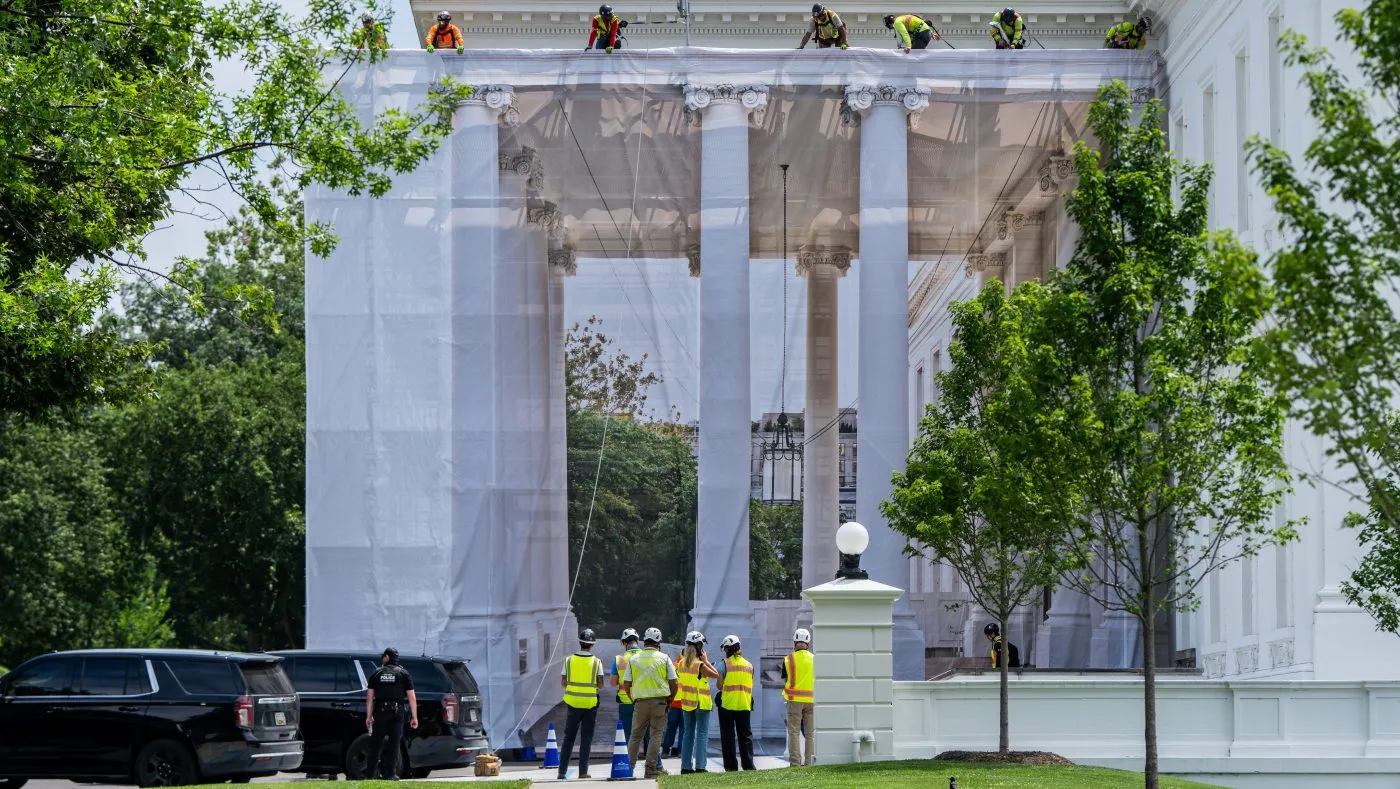
Trump using $500M no-bid contract to build his White House ballroom

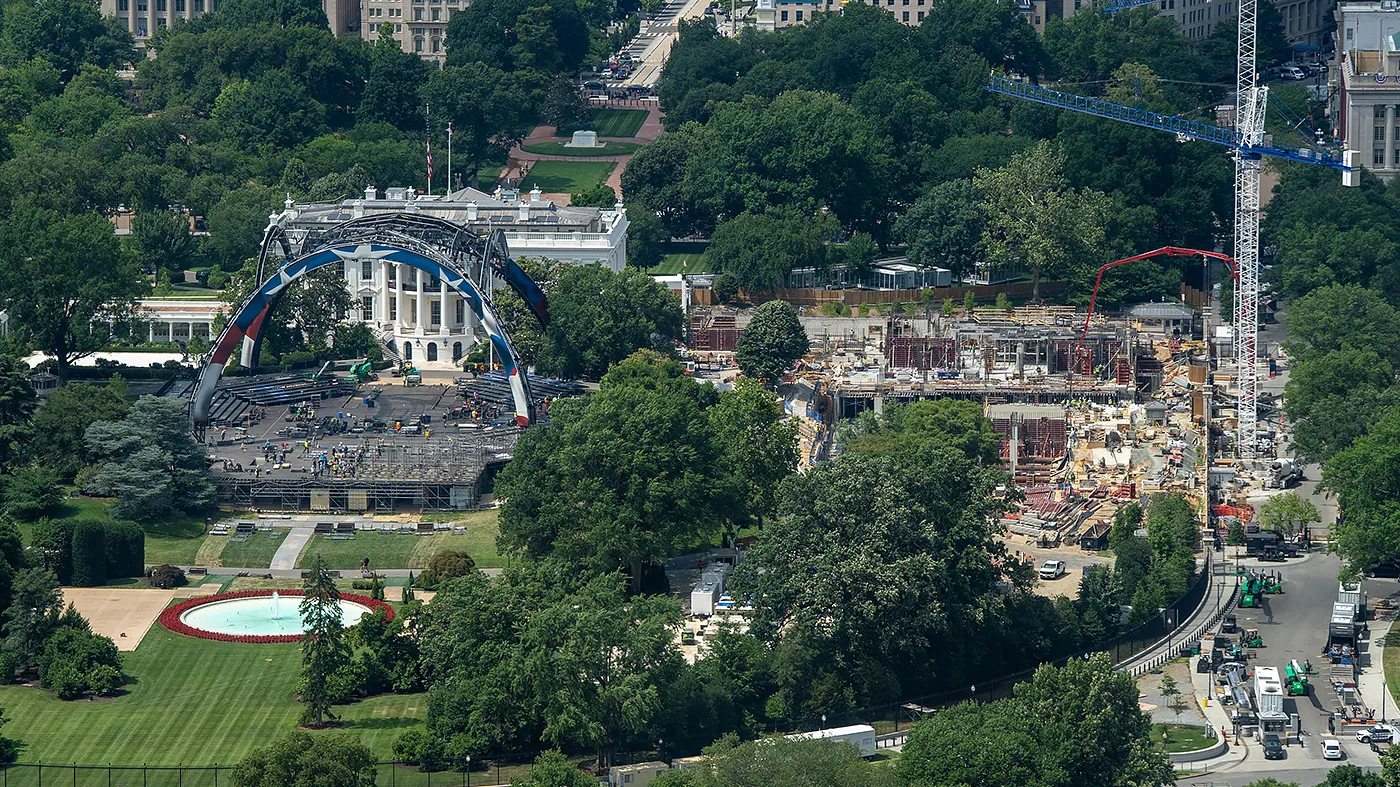
Trump using $500M no-bid contract to build his White House ballroom
Provpnadvice.com – The White House awarded a no-bid contract valued at up to $500 million for the construction of the East Wing ballroom, according to a report by The Washington Post. This decision has sparked debate over the use of expedited procurement methods in major federal projects. The contract was processed through the Executive Residence, a division exempt from federal procurement rules requiring competitive bidding and public disclosure of contract details, as revealed in a document obtained by the Post.
Clark Construction, based in Virginia, secured the contract and has been directly involved in some of the cost negotiations for the ballroom, the outlet noted. While the company applied a 3% markup for the initial phase of the project, which is standard for large government construction initiatives, it remains poised to generate significant profits from the overall venture. The Post reported that Clark could potentially earn tens of millions of dollars from the project, highlighting concerns about the financial implications of such agreements.
The project is expected to cost $600 million and include a ballroom that will fit up to 1,000 guests, a drone port on top and a military facility underneath, the president has said.
Despite ongoing legal challenges to halt the initiative, the White House has continued with the project, citing security necessities as justification. Last month, the president sought an additional $1 billion from Congress for security enhancements related to the ballroom, despite previously stating the project would not be financed by public funds. The Post has previously highlighted that over half of the project’s costs are covered by taxpayer dollars, underscoring the controversy surrounding its funding.
The ballroom project marked the beginning of several planned renovations and aesthetic improvements in Washington, D.C. The president also initiated the restoration of several fountains and parks across the district and is set to unveil a 250-foot triumphal arch. These efforts are part of a broader campaign to modernize and enhance the city’s landmarks, though some have questioned the necessity of such high-profile projects amid pressing budgetary concerns.
Additional details about the Lincoln Memorial Reflecting Pool were shared by the White House, which repainted the structure and repaired leaks. However, the project has faced scrutiny for existing issues like peeling paint and algae growth, which Trump attributed to vandalism. Critics argue that these problems could have been addressed through more transparent bidding processes, raising questions about the efficiency and accountability of the no-bid contract.
Experts in federal procurement have pointed out that no-bid contracts often streamline decision-making but can also lead to higher costs and less oversight. The East Wing ballroom is part of a trend where the White House has prioritized speed over competitive bidding, a practice that has drawn both support and criticism from lawmakers. Advocates for the project emphasize its strategic value, including the integration of advanced technology like a drone port and the inclusion of a military operations center beneath the ballroom.
The White House’s push for the ballroom reflects a broader focus on security and infrastructure upgrades. With the increasing need for high-tech surveillance and rapid response capabilities, the addition of a drone port is seen as a forward-thinking move. However, the $600 million price tag has raised eyebrows, especially as the project is now expected to receive an additional $1 billion in federal funding. This brings the total estimated cost to over $1.5 billion, which has been a point of contention among fiscal watchdogs and congressional committees.
While the primary purpose of the ballroom is stated to be security-related, some have questioned whether its opulent design justifies the expenditure. The White House has defended the project, stating that it aligns with the administration’s vision for a more secure and visually striking presidential residence. The contract’s exemption from standard bidding rules allows for quicker execution, which is critical for projects that require immediate attention.
Clark Construction’s involvement has also drawn attention. The company has been linked to other high-profile government contracts in recent years, raising questions about its track record and the selection process for such projects. The 3% profit margin for the initial work, though typical for government contracts, has been scrutinized in light of the broader project’s costs. This has led to discussions about whether the White House is leveraging its influence to ensure favorable terms for contractors.
As the project moves forward, the White House remains focused on its security benefits and public image. The ballroom is designed not only as a functional space but also as a symbol of presidential power and prestige. However, the lack of competitive bids has left many wondering about the transparency of the process and whether the project could have been completed more efficiently or at a lower cost. The ongoing negotiations and funding requests suggest that the White House is committed to its completion, regardless of the political and financial implications.
With the Hill having contacted both the White House and Clark Construction for further comments, the situation remains under close watch. The administration’s defense of the no-bid contract hinges on the argument that it was necessary to expedite the project and meet security objectives. As the ballroom’s construction progresses, its final cost and features will likely become a focal