Trump says SAVE America Act more important than ever following SCOTUS ruling on mail-in ballots

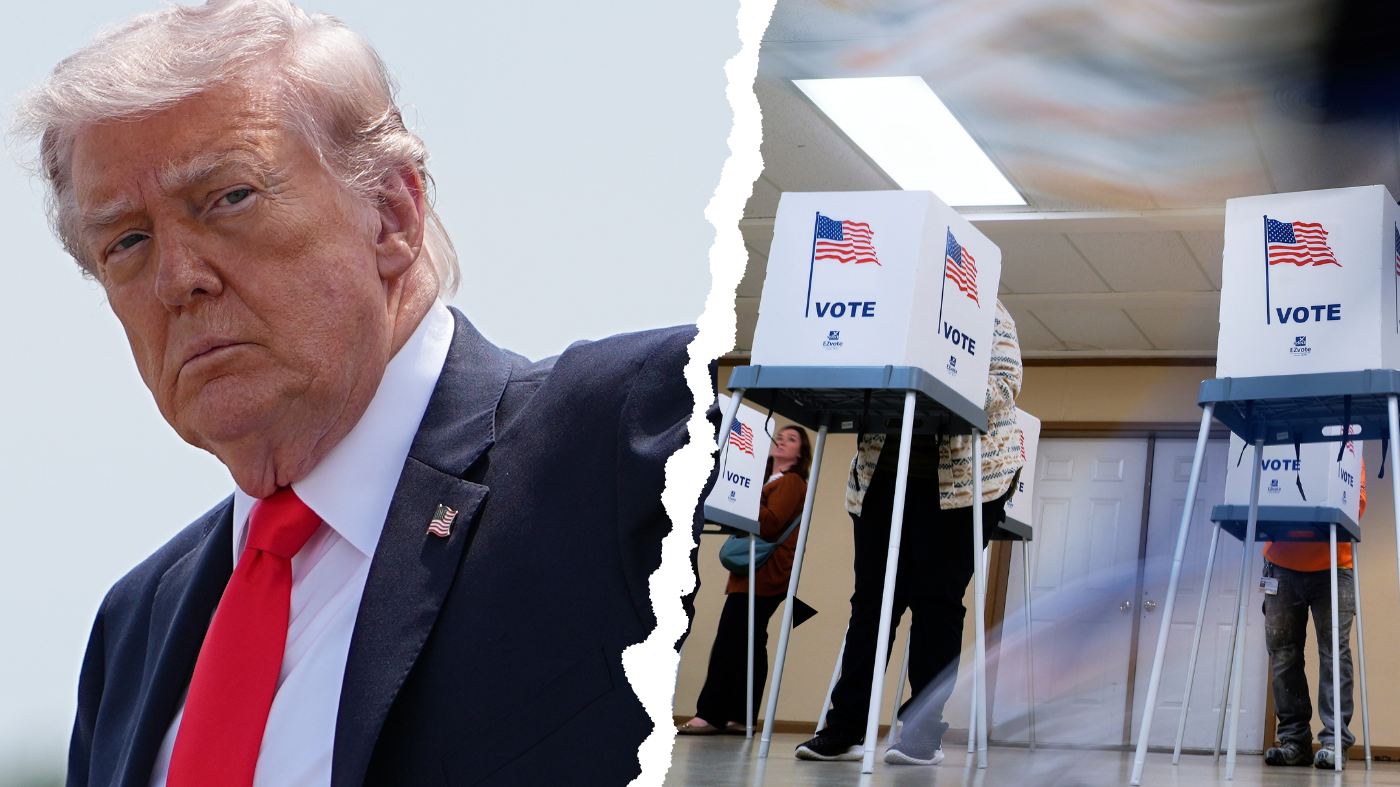
Supreme Court Decision Sparks Debate Over Mail-In Ballots
Provpnadvice.com – On Monday, President Trump criticized the Supreme Court’s decision allowing states to count mail-in ballots received after Election Day, emphasizing the ruling as a catalyst for renewed urgency in passing the Safeguard American Voter Eligibility (SAVE America) Act. The court’s ruling, which upheld a Mississippi law, clarified that ballots sent by Election Day can still be counted if received within five days, resolving a critical legal question for several states ahead of the midterm elections. This decision has reignited discussions about the act’s potential to reshape voting procedures, particularly in states where mail-in ballots are a cornerstone of electoral participation.
SAVE America Act: Key Provisions and Controversy
The SAVE America Act, a legislative proposal introduced by Republicans, mandates three primary measures: proof of citizenship for voters, a requirement for photo ID at polling stations, and a shift in how mail ballots are processed. Under the act, voters would need to provide government-issued identification, such as a driver’s license or passport, before casting their ballots in person. Additionally, the law would streamline mail-in voting by requiring ballots to be received within a specific timeframe, potentially limiting the window for late submissions.
“There is no excuse for a politician, or otherwise, to be against the above three requirements,” the president wrote in a Truth Social post, in which he also claimed the SAVE America Act would ban mail-in voting. The current version of Congress’s bill, however, would not abolish the practice.
Trump argued that the act’s provisions are essential to prevent voter fraud, asserting that the Supreme Court’s ruling underscores the need for stricter safeguards. While the bill’s supporters view these measures as necessary for election integrity, opponents, including Democrats, have raised concerns about their impact on accessibility. They argue that the requirements could disproportionately affect minority voters, elderly citizens, and low-income individuals who may lack the resources to obtain proper documentation.
Strategic Push for Legislative Passage
House Republicans have adopted a strategic approach to advance the SAVE America Act, leveraging the National Defense Authorization Act (NDAA) as a vehicle. By attaching the bill to a funding measure, they aim to bypass Senate opposition through a “must-pass” tactic. This strategy forces lawmakers to accept the legislation or risk shutting down federal operations, a threat that has been used to pressure legislators into compliance. However, the effectiveness of this method depends on the Senate’s willingness to prioritize the act over other legislative priorities.
Senate Majority Leader John Thune (R-S.D.) and other Republicans have acknowledged the challenge, stating that the party lacks the necessary votes to pass the bill without eliminating the filibuster. Sen. Thom Tillis (R-N.C.) highlighted the logistical hurdles, noting that implementing the act’s systemic reforms would require states to adjust their procedures rapidly. “It’s a math problem. We simply don’t have the votes and the SAVE America Act will not be implemented in time for this election,” Tillis told reporters.
Tillis further warned that the bill’s provisions, such as the requirement for proof of citizenship, could lead to disruptions in the voting process. He described the act as an “unfunded mandate,” pointing out that states would need to allocate resources to enforce the new rules without additional funding. “People will have to deal with registrations. Does any rational person who’s ever had any experience with implementing election law really think that it’s possible to have all that in place in time for this election and not be disruptive?” he added, emphasizing the potential strain on state election systems.
Partisan Divide and Legislative Obstacles
Democrats have consistently opposed the SAVE America Act, labeling it as a tool to suppress minority votes. They argue that the bill’s citizenship verification and photo ID requirements could disenfranchise millions of Americans, particularly those in communities with limited access to government services. For example, in a recent ruling, District Court Judge Indira Talwani echoed these concerns, noting that states like Massachusetts and Rhode Island had already invested significant resources in mail ballot programs. Her decision to strike down Trump’s executive order for an internal voter list highlighted the financial and administrative costs of implementing such reforms.
Massachusetts, for instance, has spent approximately $3 million on its mail ballot infrastructure, while Maine and Rhode Island have allocated over $50,000 for ballot envelopes that would now be deemed ineligible under the president’s previous executive order. These figures underscore the economic burden of changing voting systems, a point Democrats have used to challenge the act’s feasibility. Meanwhile, the Senate’s reluctance to eliminate the filibuster has stalled progress, with Republicans divided over whether to adopt the nuclear option.
Republican Support and Internal Tensions
Despite the Senate’s hesitation, some Republican lawmakers have expressed support for the SAVE America Act, particularly those who see it as a means to strengthen election security. A handful of hard-line House Republicans have advocated for attaching the bill to the NDAA, a move they believe would ensure its passage. However, this strategy has also drawn criticism, with Trump urging conservatives to “unify” and stop “grandstanding” during the process. He specifically targeted Rep. Anna Paulina Luna (R-Fla.), who had stalled legislative proceedings by using procedural measures to block a rule vote. “We’re in charge, and what are we doing with it? We’re bankrupting the country, we’re starting new wars, we’re violating the Constitution, we’re not cracking down on the fraud,” Massie said, reflecting a broader debate about the party’s priorities.
Rep. Thomas Massie (Ky.), who recently lost his Republican primary to a Trump-backed candidate, joined the chorus of critics, arguing that the focus on election fraud is misplaced. “We control the House, the Senate, the Supreme Court, and the White House, and we’re yelling election fraud,” Massie remarked, suggesting that the current administration’s emphasis on voter restrictions might be more about political control than genuine concerns about fraud. This sentiment highlights the internal divisions within the Republican Party, with some members advocating for the act and others questioning its necessity.
Implications for the Midterm Elections
The timing of the SAVE America Act’s potential passage has raised concerns about its impact on the upcoming midterm elections. While the act could be implemented in time for the November vote, critics argue that the logistical challenges of enforcing new rules could disenfranchise voters. The Supreme Court’s ruling, which allows for mail ballots to be counted within five days of Election Day, has been seen as a boon for voters in states with large mail-in ballot populations. However, Trump and his allies believe this flexibility creates an opportunity for fraud, reinforcing their push to tighten voting laws.
The debate over the act also reflects broader tensions between the executive and legislative branches. Trump has accused Senate Republicans of failing to act decisively, particularly during a closed-door meeting on Capitol Hill. He criticized them for not adopting the “nuclear option” to eliminate the filibuster, a move that would have expedited the bill’s passage. “It’s quite simple. We simply don’t have the votes and the SAVE America Act will not be implemented in time for this election,” Tillis reiterated, underscoring the party’s struggle to secure the necessary support.
As the deadline for the midterms approaches, the SAVE America Act remains a focal point of political contention. Its supporters see it as a necessary measure to protect election integrity, while opponents warn of its potential to undermine voter access. The outcome will depend on whether Congress can overcome partisan divides and implement the act before the November elections, a task that may require compromises and strategic maneuvering in both the House and Senate.